AI in Medical School Admissions: What Applicants Need to Know
Learn how medical schools are using AI, what current policies say about applicant AI use, and how you can use these tools ethically throughout the admissions process.

AI is already influencing med school admissions from both the applicant and the adcoms side.

What You'll Learn
Admissions AI Policies
Where medical schools and primary portals like AMCAS, AACOMAS, and TMDSAS stand on using AI tools during application review.
Strategic Essay Drafting
Safe, ethical ways to use AI for brainstorming topics, overcoming writer's block, outlining essays, and refining sentence flow.
Detection & Generic Risks
Why relying on AI to generate essays from scratch leads to uninspired writing and risks triggering plagiarism and AI detection tools.
Preserving Voice & Emotion
How to ensure your personal reflections, clinical experiences, and core motivations for medicine remain authentic and human.
Ethical Boundaries & Disclosure
How to navigate institutional guidelines and honor academic integrity standards when leveraging AI assistance in your writing.
Human Editing & Review
Why feedback from admissions consultants, advisors, and mentors remains critical to perfecting your medical school application.
Practical Application Examples
Real-world scenarios showing the clear distinction between helpful AI editing support and harmful AI essay generation.
How medical schools are using AI for the admissions process
Can you use AI for your application materials?
Do medical schools check for AI-generated content?
Risks of using AI – and how to use it ethically
You’ve spent an hour staring at a blank document. Eventually, you open Claude and type a prompt:
“Help me write a medical school personal statement.”
If that scenario sounds familiar, you’re not alone.
As artificial intelligence tools become more sophisticated and widely available, many premed students are wondering whether it’s okay to use AI. They’re also wondering whether admissions committees are using it, too.
The reality is that AI is already influencing med school admissions from both sides. Applicants are using tools like chatbots to brainstorm essays, prepare for interviews, and organize application materials, while some schools are exploring AI-assisted tools to support parts of the admissions process.
In this guide, we'll examine how medical schools are using AI, what current policies say about applicant AI use, whether schools are checking for AI-generated content, and how you can use these tools ethically throughout the medical school admissions process.
Struggling to write your med school personal statement?
Get our free 102-page guide to help you with every step, including additional exclusive personal statement examples.
----
How medical schools are using AI for the admissions process
Are medical schools using AI to evaluate applications?
A small but growing number of medical schools have publicly discussed using AI-assisted tools during the admissions process. In most cases, these systems are designed to help admissions officers review applications more efficiently rather than make decisions independently.
Some medical schools are exploring how machine learning tools might support administrative tasks and application review processes. For example, AI may be used to summarize application information, identify trends across applicant pools, or provide preliminary recommendations for human reviewers.
Importantly, adcoms remain responsible for all final admissions decisions. Medical schools continue to rely on holistic review, meaning applicants are evaluated across a wide range of factors, including GPA, MCAT scores, clinical experiences, extracurricular activities, community service, letters of recommendation, interviews, and more. While AI may help organize or summarize information, it cannot independently assess the full range of personal or professional qualities that medical schools seek in future physicians.
How Are Medical Schools Using AI in Their Admissions Process?
Current uses generally fall into three categories:
1. Administrative support: AI can help organize application materials, identify missing documents, and streamline admissions workflows.
2. Data analysis: Schools may use AI to analyze admissions trends, evaluate recruitment efforts, and better understand applicant demographics.
3. Application review assistance: Some schools have explored AI-powered systems that help summarize applications or flag files for additional review. These tools are intended to support human reviewers rather than replace holistic review.
Because AI systems can introduce bias or make errors, most medical schools remain cautious about expanding their role in admissions decisions.
----
Can you use AI for your application materials?
The answer is more nuanced than a simple yes or no.
In general, most medical schools and application services do not prohibit all AI use. In fact, organizations such as the Association of American Medical Colleges (AAMC) have acknowledged that AI can be used appropriately for tasks like brainstorming, proofreading, editing, and organization. However, applicants remain fully responsible for everything they submit.
Appropriate uses of AI may include:
Brainstorming essay topics or themes
Identifying connections between experiences
Creating outlines for essays or activities descriptions and remarks
Improving organization and clarity
Proofreading for grammar and readability
Practicing interview questions
Inappropriate uses include:
Having AI write a personal statement or secondary essay from scratch
Using AI-generated reflections that do not originate from your own experiences
Submitting AI-generated activity descriptions or remarks
Allowing AI to fabricate or exaggerate experiences
Using unauthorized AI assistance during interviews or assessments
Application platforms: AMCAS, TMDSAS, and AACOMAS policies on AI
While policies continue to evolve, none of the three major U.S. medical school application services (AMCAS, TMDSAS, or AACOMAS) currently prohibit all AI use within applications.
The AAMC oversees the AMCAS application process, and as outlined above, it states that applicants may use AI tools for brainstorming, proofreading, editing, and organizational support. However, applicants remain responsible for ensuring that all submitted content accurately reflects their own experiences, accomplishments, and perspectives.
Similarly, TMDSAS and AACOMAS require applicants to certify that the information they provide is truthful and accurate. While these services have not broadly banned AI-assisted writing, they maintain the expectation that submitted materials represent the applicant's own work.
Remember that application-service policies establish minimum standards. Individual medical schools may have their own expectations regarding AI use, and those expectations may continue to evolve as AI becomes more widespread. Before you submit your applications, review both the application-service guidance and any school-specific policies regarding AI use.
Personal statements, secondary essays, and other written materials
Many applicants have experimented with AI while working on their personal statement or secondary essays. When used appropriately, AI can serve as a valuable brainstorming and editing partner.
For example, you might use AI to:
Generate reflection questions or an outline before drafting
Evaluate essay structure and flow
Improve grammar and readability
Suggest ways to clarify complex ideas
These uses support the writing process without replacing your own thinking. However, there is an important difference between editing and ghostwriting.
Medical school essays are designed to reveal how applicants think, reflect, and make meaning of their experiences. When AI generates substantial portions of a personal statement or secondary essay, the result may no longer accurately represent the applicant's voice or perspective.
This is particularly concerning because admissions committees are not simply evaluating writing quality. They are evaluating qualities such as self-awareness, resilience, professionalism, empathy, and motivation for a career in medicine. These qualities emerge through authentic reflection, not through AI-generated stories.
The same principle applies to Work and Activities descriptions, "Most Meaningful Experience" remarks, secondary application essays, and other written components. AI can help you communicate your experiences more effectively, but it should not create those experiences or reflections for you.
When in doubt, ask yourself a simple question: If an admissions committee member asked me to explain this sentence or this idea during an interview, could I comfortably do so? If the answer is yes, you're likely using AI appropriately. If the answer is no, you've probably crossed a line.
----
Do schools check for AI-generated content?
Many applicants assume admissions committees routinely screen personal statements and secondary essays using AI-detection software. While some institutions and reviewers may experiment with tools such as GPTZero or Turnitin's AI detector, there is currently little evidence that AI screening has become a widespread or standardized practice in medical school admissions.
Additionally, AI detectors remain imperfect. Studies have repeatedly shown that these tools can falsely identify human-written work as AI-generated while also failing to detect genuine AI-generated text. For this reason, AI-detection software is generally considered an unreliable measure of authorship on its own.
More importantly, admissions committees are often less concerned with whether AI was used and more concerned with whether an application feels authentic. Experienced admissions readers review thousands of essays over the course of their careers and may recognize writing that feels generic, impersonal, overly polished, or disconnected from an applicant's actual experiences.
As a result, the greater risk for applicants may be submitting writing that fails to communicate their unique voice, perspective, and motivations. An essay that sounds inauthentic may raise concerns regardless of whether AI was used to produce it.
Does AMCAS check applications for AI-generated content?
AMCAS has not publicly stated that applications are routinely screened using AI-detection software. Instead, AMCAS focuses on issues such as plagiarism, misrepresentation, and professionalism.
Applicants are responsible for ensuring that all submitted information is truthful and accurate, regardless of whether AI tools were involved in the writing process.
----
The risks of using AI (and how to use it ethically)
Given the complexity of the medical school admissions cycle, it’s not surprising that many applicants turn to AI when they’re feeling overwhelmed, facing writer's block, short on time, or unsure how to get started. In these situations, AI can be helpful for generating ideas, organizing thoughts, and overcoming the challenge of a blank page.
However, AI also comes with significant limitations. While AI can be a valuable tool for brainstorming, outlining, and improving readability, it should never replace the personal reflection that adcoms are trying to evaluate.
The biggest risks of relying too heavily on AI
You might assume the biggest risk of AI is getting "caught." In reality, the greater risk is producing an application that feels less personal, less memorable, and less reflective than it otherwise could be.
Some of the most common pitfalls include:
Losing authenticity. AI-generated writing often sounds polished but generic, making it difficult for adcoms to understand what makes you unique.
Less memorable essays. Adcoms read thousands of applications each year. Essays that rely heavily on AI may lack the specific details, observations, and personal insights that help applicants stand out.
Weak or superficial reflection. Medical school essays are designed to reveal how your experiences have shaped your values, motivations, and understanding of medicine. AI can summarize experiences, but it cannot provide genuine personal insight.
Difficulty meeting application integrity standards. Ultimately, you’re responsible for ensuring that everything you submit accurately reflects your experiences and perspectives.
Should you use AI in your medical school application?
For most applicants, the answer is yes, but thoughtfully. The goal is to use AI as a tool that supports your writing process rather than replacing it.
A simple way to evaluate whether you're using AI appropriately is to ask yourself the following questions:
Did the ideas originate from me?
Does this sound like my voice?
Is every statement accurate?
Could I comfortably discuss any part of this application during an interview?
If the answer to all four questions is yes, you're likely using AI appropriately.
If the answer to any of them is no, it's worth revisiting your draft before submitting it.
Why human advisors still matter in the age of AI
Many applicants wonder whether an AI-powered admissions tool can replace personalized advising. AI can identify patterns in existing content, but it cannot truly understand your experiences, motivations, or personal growth.
This is where experienced advisors, physicians, mentors, and writing coaches continue to provide value. Unlike AI, human advisors can challenge assumptions, identify meaningful themes across experiences, and help applicants uncover insights they may not have recognized on their own.
For example, a student might ask an AI tool to help brainstorm a personal statement topic. AI may generate several reasonable options based on the information provided, but an experienced advisor can often identify the deeper story behind those experiences and help the student develop a more compelling and authentic narrative.
Similarly, while AI may suggest revisions to improve grammar or sentence structure, it cannot reliably determine whether an essay effectively communicates an applicant's character, growth, or fit for a particular med school.
The strongest applications are rarely the product of AI alone. Instead, they result from a combination of personal reflection, thoughtful mentorship, and strategic feedback. AI may help you communicate your stories more effectively, but experienced advisors can help you discover and develop the stories worth telling in the first place.
Final thoughts
Artificial intelligence is becoming an increasingly important part of medical school admissions, both for applicants and admissions offices.
Some medical schools are already experimenting with AI-assisted review processes, while applicants are using tools like ChatGPT to brainstorm essays, prepare for interviews, and organize application materials. At the same time, organizations such as the AAMC have made it clear that applicants remain responsible for ensuring their submissions accurately reflect their own experiences and perspectives.
As AI continues to evolve, applicants should remember that the qualities medical schools value most—integrity, self-awareness, empathy, resilience, and professionalism—remain fundamentally human. The goal is not to avoid AI entirely. The goal is to use it as a tool while ensuring that your application remains unmistakably your own.
Over 90% of our students get into med school—the first time.
Get our free 102-page guide to help you with every step: Get Into Medical School: 6 Practical Lessons to Stand Out and Earn Your White Coat
About the Author
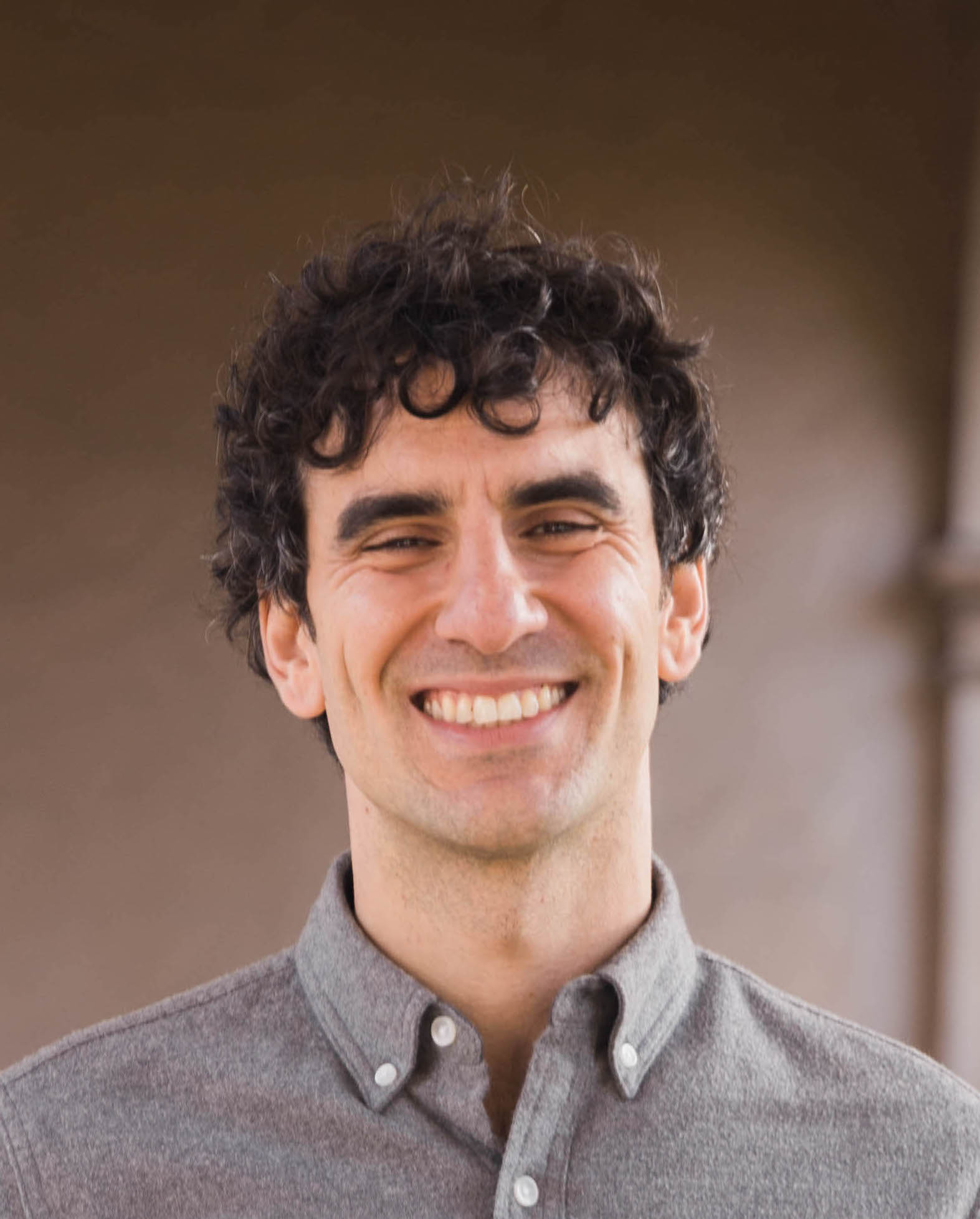
Dr. Shirag Shemmassian is the Founder of Shemmassian Academic Consulting and one of the world's foremost experts on medical school admissions. For over 20 years, he and his team have helped thousands of students get into medical school using his exclusive approach.