Five Medical School Personal Statement Examples From Accepted Applicants
Step-by-step analysis of five successful personal statements that resulted in acceptance.

What makes for a successful personal statement?
----
How to write a successful personal statement
The personal statement is 5,300 characters, answering one question: why medicine?
It’s one of the most important parts of your application. A strong GPA and MCAT get you on the front porch, but if your personal statement doesn’t tell your story, you aren’t getting through the door.
Adcoms want smart applicants, but they also want human ones. They want to hear your reason for pursuing medicine, in your own words.
Below are five real personal statements from real premeds who got in, with an analysis explaining what makes each one work. A great personal statement is specific and personal; it reflects the qualities of a great physician, showing your problem-solving abilities, outlining future goals, and clearly demonstrating your ability to face difficult issues in the real world. For a deeper breakdown of what makes a strong personal statement, check out our comprehensive personal statement guide, which also includes 25 examples of excellent personal statements.
Whether you’re applying to medical school for the first time or reapplying, this article will help you understand not only how to write a stellar personal statement but also how to know when what you’ve written isn’t working, and how to fix it.
Throughout the analysis, we apply our internal essay evaluation framework, QPUD, which stands for the following:
You can apply the QPUD framework to analyze your own writing. You’ll soon learn that the best personal statements aren’t produced by accident, but rather through multiple thoughtful iterations.
----
Personal statement example 1
I rolled the lactofermented gooseberries briefly in my palm, further melting the exterior and softening the skin. Holding each berry delicately in a three-fingered pinch from underneath, I injected 5 mL of lavender oil with my syringe into the still-frozen center. As the berries plumped, I focused on the tension under the skin, careful not to cause a rupture. I set them down and immediately inserted one of my hand-carved birch toothpicks directly through the stem, 1 cm into the center. Each berry had to be perfectly uniform. I arranged each one at a 60-degree angle in a dish with a small pool of lavender oil. Pulling my angled tweezers, I placed one lavender bud at a 45-degree angle from the peak of each berry, next to a perfect pyramid of Maldon fleur de sel.
Initially, the impetus behind my decision to enter the culinary industry was an intrinsic desire to care for others, utilizing food as the medium. During my valedictory speech from culinary school, I spoke of the dining experience as an opportunity to improve the lives of our guests, albeit in an ephemeral manner. I extolled cuisine’s constant evolution, a chef’s endless pursuit of knowledge, and the zealotry inherent to this pursuit.
Traveling to other countries in search of enrichment, I worked one hundred or more hours each week in a kitchen in Copenhagen, at the time the world’s #1 rated restaurant. I strove to constantly improve, absorbing the ceaseless flow of information from the chaos endemic to that environment. My background teaching food chemistry secured the rare opportunity to work alongside chefs in the test kitchen, developing novel techniques and refining their groundbreaking recipes. I embraced the work, immersing myself in the passion and pursuit of perfection that characterized a kitchen of that caliber.
Eventually returning to the United States, I assumed the leadership role of executive chef at an institution in Southern dining. Cooking dinners for my crew each week, I fostered true camaraderie, something rare within the normally cutthroat environment of fine dining restaurants. I embraced the unique vantage points of my team’s gamut of racial identities, genders, religions, and ideologies. I was open to their criticisms about my kitchen because, as my father always pointed out, making mistakes is the fastest way to learn.
As it turns out, however, the second fastest way to learn is to find yourself out of work due to a pandemic. In 2020, while seven months pregnant with our first child, my wife and I were both furloughed. Stress aside, this moment serendipitously awarded me a rare opportunity for dedicated introspection. I thought back to the days spent in hospitals with my father, where I joined him on rounds and attended seminars. He spoke of his time in anesthesia as though it were gospel, preaching that anesthesiology, more so than any other specialty, demands the most comprehensive understanding of physiology, pharmacology, and pathology. He taught me to think and assess situations as he did: holistically, with a calm mind and kind demeanor. When he eventually transitioned into chronic pain management, I began assisting in VAX-D procedures and discussing physical examinations and diagnoses to better my understanding of physiology.
With retrospection of my medical background fresh in mind, I began working with Dr. Dosanjh and Dr. Geiger in a pain management practice. Following Dr. Dosanjh into Exam Room 4 one afternoon, I met Miguel, who had been involved in a motor vehicle accident twenty years prior. He had lost his left leg, been rendered blind, and suffered severe chronic radiculopathy from spinal damage, with intermittent limb spasms accompanying acute pains. At Miguel’s insistence, his wife helped guide his hands to ours, greeting us warmly like old friends. Miguel maintained a kind disposition and positive outlook, only ever pausing his smile when enduring a spasmodic episode. After a series of diagnostic medial branch blocks, I helped the medical team perform bilateral radiofrequency ablations on nerves in his lumbar spine to manage some of his pain. Although this treatment would not cure previous damage, I found solace in offering him temporary respite from his suffering.
Meeting a patient like Miguel was eye-opening. For twenty years he was ignored, given ever-increasing opioid prescriptions, but never actually heard due to language barriers and cultural differences. Then, these two physicians, with their nurse aiding in translation, created positive change in Miguel’s life. Connecting with Miguel throughout his care and improving his well-being quashed any lingering uncertainty of my dramatic departure from cuisine.
Although my path may have been circuitous in nature, winding through kitchens around the world, it has imparted to me a chef’s work ethic and the vigilant, compassionate spirit of a new father. I am ready to devote myself to a path that favors analytical thinking and scientific process, while at the same time offering an ear to patients who feel unheard. I have always focused on caring for others in my own way, but I have decided to finally put down my knives and change the medium by which I administer care.
Why this personal statement works
It’s specific and concrete: Real details from the applicant’s life make it personal and memorable, not generic
It’s built around a unique experience: This is an unconventional path to medicine (in this case, a career as a chef) becomes a strength, not a liability
It turns a difficult background into a compelling narrative: The applicant doesn’t apologize for their non-traditional path, instead using it to stand out
It stays focused on the applicant: Every detail serves the story and reinforces why this person belongs in medicine
1. Does the applicant demonstrate the qualities that are desirable in a physician? If so, which ones?
By showcasing their culinary experience (and not only that, but casually dropping impressive bombs like their “valedictory speech from culinary school” as well as their experience in the kitchen of “the world’s #1 rated restaurant”), the applicant displays qualities such as discipline, passion, intelligence, and know-how.
He openly discusses “resilience” in relation to his culinary experience. Although he tells us about that quality directly, he also shows us physician-positive qualities, such as compassion, through specific experiences, like his treatment of Miguel.
Describing an experience with a specific patient who had an impact on you is a great way to show key characteristic traits, while simultaneously including direct clinical experience in your essay.
2. Is the statement mostly about the applicant or other people?
It is also essential that we ask ourselves: “Who is the narrative really about? Is it about the writer, or is it about Miguel?”
Aside from the obvious fact that this personal statement belongs to the applicant, this section is where any writer needs to be careful about how they approach their one-on-one experiences. The rest of the essay is very clearly about the applicant and their experiences, but as soon as they identify another person (e.g., Miguel), they make themselves vulnerable to losing the authoritative and unique voice they’ve developed up until that point in the essay. But here the applicant maintains their grip on the essay, so to speak, not only in terms of form (always bringing the story back to himself in the first person by using “I” very plainly throughout this passage) but in terms of content, describing the effect that meeting Miguel had on him:
“Connecting with Miguel throughout his care and improving his well-being quashed any lingering uncertainty of my dramatic departure from cuisine.”
This sentence concludes the Miguel anecdote, stating concretely how the experience deeply impacted the applicant.
Imagine, on the other hand, if the writer had concluded the anecdote with the previous statement:
“... these two physicians, with their nurse aiding in translation, created positive change in Miguel’s life.”
Although the description of what happened to Miguel is specific and well-written, the reader would be left wondering, “Why did the applicant bring up Miguel’s story if it didn’t impact him directly?” Whenever you decide to discuss another person in your personal statement, always, always, always bring the anecdote back to you and your experience.
3. Could anyone else have written this statement, or is it unique to the applicant?
In the case of this essay, this question should be fairly easy to answer. Not many applicants are going to write sentences like:
“Pulling my angled tweezers, I placed one lavender bud at a 45-degree angle from the peak of each berry, next to a perfect pyramid of Maldon fleur de sel.”
Specific details like these, along with those about being a valedictorian and working at the world’s best restaurant, make this essay inarguably unique. However, even if you don’t have an experience like this applicant (and let’s be honest, most of us don’t), you are still a unique individual, and what will make your personal statement stand out is the same thing that makes this applicant’s essay noteworthy: detail.
4. Does the essay cover too much, or is there real depth?
Often, what gives an essay depth is closely intertwined with what makes it unique, personable, and compelling. In the same way that a good book or movie attains real depth through the arc of its characters, so too does a personal statement reflect that ancient pastime of storytelling and character development, showing how and why the applicant devoted their life to medicine.
In the above applicant’s case, the hardships he endured throughout the pandemic prove his commitment to success, while his ability to connect with patients like Miguel, along with his status as a father (which helps us as readers empathize with him on an even deeper level), provide his essay with an emotional depth that helps us to answer the question: “Does this essay have depth? Does it feel like it was written by a real person?”
If you’re intrigued by the person who wrote an essay and feel as though you would like to meet them, then they have succeeded in writing an emotionally resonant, compelling essay.
----
Personal statement example 2
On rounds at NY-Presbyterian Hospital in the heart of Flushing, Queens, I checked in on a halmoni (“grandmother” in Korean) who had been an inpatient for a while. I remembered her face from previous rounds, and she must have recognized mine, too, because the moment I walked in, tears started rolling as she held out her shaky hand for me to hold. She told me she was in pain but felt helpless because she couldn’t speak English. I frantically searched the halls to find a nurse who would give me their attention, but all were invested in their tasks. The nurse at the front desk saw my desperation but explained she was overtaxed and promised to send someone when she could. I stayed with the halmoni until a nurse came. For forty minutes I sat there feeling useless, not knowing what to do.
This halmoni in particular reminded me of my mother, whom I often worried about ending up in a similar situation. My mother also doesn’t feel comfortable with her English; so, I spent much of my childhood by her side, helping to translate. I used to grow annoyed, being her social crutch, but more so, I felt frustrated when others shot her disapproving looks or spoke condescendingly to her. Growing up minority status, I learned to navigate microaggressions by laughing them off, but it wasn’t until my first women’s studies class that I realized complacency could never bring about the change I wanted. From paying the pink tax, to size 0 standards, to being scrutinized under the male gaze, my classes went beyond the science of women’s bodies and into what it was like being a woman in our society. I felt empowered and seen more than ever, and as I delved into my minor, it became about more than women’s empowerment—it was about empowerment for all. Learning to see through an intersectional lens, I’ve become more aware of the multiple avenues in which discrimination can occur and how the nuances in our identities can affect the healthcare we receive.
Before my courses, I didn’t recognize the inequalities that one’s intersectionality can bring upon them. Being able to understand that there is more to a person’s story than meets the eye has allowed me to practice empathy and compassion in my daily life, and this has extended into the way I interact with texters during my Crisis Text Line shifts. Because I know it’s never easy to seek help, I always begin my correspondence by applauding their courage for reaching out. Similarly, because safety is not something many of these texters often feel, I always reassure them that our conversations are safe and confidential. Finally, because I understand that many of our texters don’t have the luxury of affording therapy, and that some are adolescents who don’t even have the autonomy to seek out such services, I always remember to be careful with my wording to avoid sounding judgmental and try to validate their feelings as much as possible. A simple “I hear you” can go a long way when you have nowhere else to turn but a crisis hotline.
Having interacted with people from diverse backgrounds, I’ve often found that the simplest solutions are not the easiest. The more apparent aspects, like culture or race, are not the only ways in which access to healthcare is disproportionately affected, but also factors such as socioeconomic and disability status. When seeing no translators or feeling the lack of urgency for a solution from the healthcare workers during my time at Presbyterian, I failed to realize the deeper root of the problem. To be in pain for 40 minutes is one thing, but to feel disconnected from the very people providing you with your care is another. As physicians, we are our patients’ greatest advocates. Taking the time to get a translator may not be dire in terms of providing medical care, but to a patient in need, it can make all the difference in creating a trusting and comfortable environment. The halmoni didn’t feel comfortable asking her care team for help, a dilemma which may have been prevented had a translator been provided from the start. While some other patients I’ve rounded on had family and friends beside them to keep them company and take on the role of translator, not all have this privilege. The halmoni may have lost her close circle due to her age, and she may have lacked the financial leeway to hire a full-time translator. We grow up being told to value our uniqueness, so should the same not apply in medicine where our identities serve as different canvases for illness? If we are told not to fit into a mold, neither should our courses of care.
Healthcare is political and personal and everything in between. Advocating for equity and inclusion of underrepresented populations fuels my motivation for transforming today’s clinical practices. Having seen the roles lifestyle and culture can play in our health and the type of care we receive, I aim to apply this approach to my future patients. We need to question why there’s a discrepancy in maternal mortality rates between Black and white mothers, or why people with disabilities have lower quality care. I hope to one day be the kind of compassionate physician who can provide medical care that takes into consideration more than symptoms, but also the nuances in identity that make up the patients we treat.
Why this personal statement works
It makes the adcom’s job easier: A clear, compelling narrative signals immediately that this is a serious, mission-driven applicant
It demonstrates a lifelong commitment to righting societal wrongs: This is not a last-minute interest in medicine, but a deeply rooted sense of purpose
It reflects rare empathy for underserved and minority populations: The applicant displays a sophisticated understanding of the disparities they face in healthcare
It shows genuine passion for medicine: This is not just ambition, but a clear and personal “why” behind the applicant’s decision to become a physician
It paints a picture of the kind of doctor this applicant will become: This is exactly what adcoms are trying to evaluate
1. Does the applicant demonstrate the qualities that are desirable in a physician? If so, which ones?
Not only does this applicant demonstrate qualities desirable in a physician, but they also highlight two qualities in particular that actually form the backbone of their essay: compassion and empathy.
Their essay begins and ends with their desire to help a specific patient whose minority status and inability to speak English put them at a healthcare disadvantage. The applicant shows us compassion through their dedication to this patient, empathy through their understanding of what the patient must be going through, self-awareness in their tact, perseverance in their efforts to find a nurse to help the patient, and passion in their unflinching critique of the healthcare system.
2. Is the statement mostly about the applicant or other people?
Although the essay begins and ends with the “halmoni,” it is clearly centered around the applicant’s experience. Of course, as a med school applicant, you need to write about others because, as a healthcare worker, you’re going to be taking care of other people. That said, this is the personal statement, not the “impersonal statement.”
In the above essay, the applicant always brings the context back to herself. The story is centered around the halmoni’s inability to access care, and yet the applicant writes:
“For forty minutes I sat there feeling useless, not knowing what to do.”
Notice how the applicant’s honesty here earns her some points. As a reader, you empathize with her plight, and adcoms, who are quite familiar with the incessant frustrations inherent to a career in medicine, will appreciate the truth of such a statement. Although the story is superficially about the halmoni, the core of the narrative centers on the applicant. The applicant even connects the halmoni to her own mother, making the essay feel even more personal.
3. Could anyone else have written this statement, or is it unique to the applicant?
Although there are certainly concrete details that make this essay unique, such as the applicant’s Korean background, the halmoni, the Crisis Text Line experience, etc., what makes this essay truly impressive is the strength of the applicant’s opinions.
Usually, and as we advise in most of our analyses, the best way to achieve distinctiveness in a given essay is to focus on concrete details in your life. Doing so also ensures that your essay could not have been written by anyone else (it also helps to ensure your essay doesn’t sound like it was written by AI). However, this writer takes a slightly different approach in the bulk of her essay, clearly identifying herself as an intelligent, strong, and exceptional personality with powerful rhetorical questions and compelling beliefs:
“We grow up being told to value our uniqueness, so should the same not apply in medicine where our identities serve as different canvases for illness? If we are told not to fit into a mold, neither should our courses of care.”
4. Does the thesis cover too much, or is there real depth?
The depth of this essay is, ultimately, what makes it successful. As stated in the opening analysis, adcoms were relieved to come across an essay with such boldly stated, strong beliefs. Ask yourself after reading this essay: Would you want this person to be your doctor?
All of us know how it feels to be afraid to ask for help, and this person makes it clear that they especially want to help those who are either afraid to ask or don’t know how. This applicant is the kind of person who will go out of the way to make sure you’re not only being treated, but that you’re comfortable–and that, at least in the context of this essay, is why most of us would be grateful to have her as a physician.
----
Personal statement example 3
Q: “What would you do if you saw smoke coming from your neighbor’s house?”
A: “Warm.”
Q: “What would you do if a stranger asked you to go for a ride in his car?”
A: “Please.”
Even years after my speech-delayed childhood, revisiting my individualized education reports can trigger unpleasant flashbacks to nonstop speech therapy and comprehension tests. Memories resurface of sitting alone wishing for friends and making frustrated sounds when classmates snatched toys. My most vivid memory is of being locked in a closet, crying and banging on the door for help, unable to form words. In those moments, my voice and life did not seem to have any value. Fortunately, with years of work, my verbal comprehension and expression improved over time. Eager to prove my self-worth, I continued seeking ways to better myself, help others who needed it, and become what I saw as the ultimate fixer: a doctor.
My speech delay gave me empathy for people living with disabilities, so I began volunteering at disability organizations. Starting in my junior year of high school, I worked for the Joni and Friends Retreat camp, serving families with disabled relatives. My first trip was not as gratifying as I anticipated, but my sophomore summer, I had an epiphany that changed what I now see as an ableist view of medicine. I was paired with a teenager, “Justin,” who had severe autism. He was prone to either running away or wrestling me to the ground when upset. I first tried to relieve his parents by feeding Justin and helping out with chores around the house. But listening to their story of immigrating from Kenya and experiencing the isolation of raising a disabled child, I was indirectly reminded of the loneliness caused by my speech delay. I understood that they did not only need physical help, but also wanted genuine friends. So I adjusted my role in their family to be more of a friend than a helper, and one of my favorite memories of this period is when I encouraged Justin to show some moves at a dance party where we all boogied together.
Almost every family like Justin’s had a medical issue that could not be fully fixed, but many shared that they began to appreciate their disability and its impact on their lives when they found friends who embraced them. Realizing that we are all on an ability/disability spectrum, and that everyone has felt broken and isolated at some point, helped us find healing. In a field wrought with uncertainty, doctors can help people truly heal by empathizing, continually learning about others, and deriving humility from the fact that we all suffer. Instead of just trying to fix people, I hope to serve others out of human solidarity, as a co-sufferer and co-flourisher.
Eager to continue learning to become a more empathetic and skilled doctor, I joined the Georgetown Disability Alliance. There, I hosted a seminar to discuss the intersection between healthcare policy and neurodevelopmental disabilities and provided input on how to make the new Disability Cultural Center more accessible. At the center, I hosted a panel with the first disabled nurse in New York to hear her take on how healthcare should embrace the disabled community. With a theology professor, I developed a course that explores the crossroads of religion, medicine, and disability that will help my class and future classes expand our horizons in the field of healthcare. As I engaged with the disabled community, my view of medicine shifted to be more service-oriented, and I understood the many social and cultural factors that a doctor must keep in mind when shaping a patient’s care.
These skills were useful as a medical assistant at the Elite Orthopedic & Musculoskeletal Center, where I explained why surgery might not be best for an elderly couple’s long-term health, cautiously applied numbing spray to a patient who was racist towards me, and consoled a child frightened by a cast saw. With each visit, l found a way to make patients feel heard. Understanding the ways people can feel isolated gave me the perspective to care for a diverse set of patients.
When I started gathering prostate cancer patient data for quality-of-life research on radiation oncology technology, these clinical experiences reminded me that each chart has a story behind it. Reading countless hospital visit dates, prostate-specific antigens, and dates of death was not my ideal way of spending Christmas Eve, but knowing that I was serving real people inspired me to learn the biostatistical techniques needed to produce useful results. The realization that this work can better inform doctors and improve a patient’s treatment empowered me to stay up late crunching numbers. Learning about ableism and how people do not need to be perfect to thrive helped me stay calm and remember the end goal of reporting trends that could be medically beneficial. Through my research, I saw how both social and technical skills feed off each other to produce quality care.
Recently, while shadowing a cleft specialist, I was reminded of how my time as a speech-delayed kid shaped my ideals of what a physician should be. As Dr. Napoli cracked a joke to make a child with a speech impediment laugh, I reaffirmed my commitment to becoming a doctor who connects with others to let them know they are not alone. I am grateful for the people who made me who I am today, and I sincerely wish to pay it forward by serving others as a doctor.
Why this personal statement works
Empathy is the central theme: The applicant doesn’t merely mention empathy, they demonstrate it through lived experience, making it impossible to dismiss as a buzzword
Personal experience becomes a professional purpose: A firsthand encounter with mental health challenges is used as the foundation for a compelling “why medicine?” narrative
Vulnerability is treated as a strength: Sharing a mental health disability openly and thoughtfully shows self-awareness, courage, and authenticity
The connection to medicine is direct and undeniable: The applicant’s path to medicine isn’t manufactured, but rather grows organically from who they are
1. Does the applicant demonstrate the qualities that are desirable in a physician? If so, which ones?
Empathy is the core quality demonstrated by this applicant. Their experience with speech delay has made them more understanding of people with disabilities, and since they grew up unable to communicate, they know firsthand what it’s like to be helpless. Becoming a doctor is their way of ensuring others don’t experience the same fear or helplessness, and they demonstrate profound empathy by devoting their lives to this cause.
2. Is the statement mostly about the applicant or other people?
This essay very easily could have ended up being about other people, rather than the applicant– but note the key distinction between these two possibilities: This essay is about the applicant’s desire to help others; it is not about those others. For example, when discussing his experience with Justin’s family, he does not linger on Justin’s disability or the lives of Justin’s parents. Instead, he gets right to the core of the experience, of why it had such an impact on him, because he realized that he could provide something more than housework. He could provide love and friendship.
This epiphany translates well to a career in medicine, where a doctor has to be more than just a clinician. A good doctor understands that treatment is not limited to diagnosis; treatment is about caring for each patient as an individual, as a human being. By focusing on what he has learned, the applicant makes it clear who this essay is about.
3. Could anyone else have written this statement, or is it unique to the applicant?
The essay is utterly unique, with two separate layers, so to speak. The first layer is detail, which is one foolproof path to standing out. If you utilize concrete details in your essay—proper nouns, dates, images, locations, etc.—then your essay will be personally reflective of you. The second layer can be seen in the ideas a successful personal statement generates, and in the way those ideas are phrased. In this particular example, the applicant’s upbringing allows him to see his medical career from a wholly singular perspective:
“Instead of just trying to fix people, I hope to serve others out of human solidarity, as a co-sufferer and co-flourisher.”
Not only is this idea unique to the applicant in the context of his personal story, but it is also expressed with compelling language. In and of itself, the authentic originality of the expression–“co-sufferer and co-flourisher”–a subtle and powerful statement that acknowledges our shared pain and power simultaneously, makes the applicant stand out.
4. Does the thesis cover too much, or is there real depth?
As elaborated on above, the depth of this essay emerges from the applicant’s personal experience, his unflinching empathy, and his compelling perspective on medicine.
----
Personal statement example 4
As a child, I loved my annual physicals at my pediatrician’s office. While I hated shots and often felt like I was a little too old for her fire engine-shaped exam table, I was able to flip through photo albums in the waiting room that captured my pediatrician’s work around the world with medical non-profits. Those photos opened my eyes to the need for medicine so far away from my pediatrician’s exam room. When I turned 17 and my fascination with my pediatrician’s work hadn’t waned, she offered to bring me on her trip to Myanmar. In Myanmar, I watched as she examined children who had never before seen a doctor and diagnosed diseases that I had never even heard of in the US. When I returned home, I realized I was falling in love with the privilege that medicine provides to tend to an essential facet of every person—their health. Eager to contribute in the same way I saw my pediatrician doing so, I earned my EMT certification during my freshman year of college and began volunteering with a local rescue squad in Virginia.
My first call as an EMT was for a grandmother who couldn’t get herself off of the toilet. As the sole female on my crew, the woman was adamant that only I assist her with her predicament. Despite my 12-hour shift ending in the middle of the call, I sat with her in her bathroom until she trusted me and was ready to be helped up. I wanted her to feel confident and secure, so before I left her house, I devised a plan with her to prevent this situation from recurring. From that first call, it became clear to me that medicine wasn’t glamorous, but was an honest opportunity to bring comfort and dignity to people when they needed it. After several more shifts, I learned that making sure my patients were cared for took many forms. Whether I reversed an overdose with a push of Narcan or simply held a patient’s hand and affirmed that their health issue truly mattered to me, I was constantly reminded of the privilege and responsibility medicine gave me. I learned medicine isn’t just a biochemical intervention, it is a deeply interpersonal connection with each patient. As a physician, rather than having just an hour to build a connection in the back of an ambulance, I look forward to having the opportunity to spend more time guiding my patients throughout their medical journeys.
Driven to continue improving healthcare access in underserved communities, I joined the Peace Corps to help tackle pressing health issues in Zambia’s rural villages. The government had launched a mass drug distribution to eliminate schistosomiasis in school-aged children, so a community health worker and I were conducting door-to-door checks. After countless hours traveling on foot, we found 30 missed children. As I bent down and measured each child’s height to calculate the proper Praziquantel dosage for schistosomiasis treatment, I was reminded of watching my pediatrician treat children of similar ailments in rural Myanmar. It was satisfying to come full circle—performing the same medical service that I had been so drawn to as a teen.
My work in Zambia has shown me that meeting people’s health needs is not an easy task. Month after month during my child health outreach, I saw the same children failing to grow. It was not until I committed myself to gaining fluency to overcome the language barrier that I was able to talk with mothers of sick children and recognize that what appeared to be a lack of concern from the mothers was rather a lack of understanding. The mothers often stopped school after 8th grade, meaning that the complex Standard Deviations and Z-Scores on their child's growth chart, indicating their child’s malnourishment, were incomprehensible to them. Furthermore, the mothers were unsure about how to use locally available food to cook nourishing meals for their children. With a clearer understanding of the mothers’ gaps in knowledge, I taught them how to read each part of a growth chart. Then, I conducted a 10-day cooking program to teach them how to cook nutritious meals that incorporated the main food groups using local ingredients, such as dried fish porridge with leafy greens. Through developing creative and culturally appropriate solutions to solve my village’s health problems, I exemplified my commitment to my community and to their health, which is a commitment I will continue to uphold as a physician.
Ultimately what I admired most about my pediatrician was not the global reach of her work; instead, it was her drive to provide healthcare wherever needed. Similarly, as thousands of miles separate my experiences in rural Zambia from those in the back of an ambulance in Virginia, I have realized that my passion for medicine has never been attached to the location, but rather to the need. My experiences across the world have illuminated not only the importance of healthcare’s availability everywhere, but also my desire to be the physician providing it. Whether it is a frightened elderly woman in Virginia or unsure mothers in rural Zambia, I know that I have the empathy, the passion, and the commitment to continue to meet my patients’ needs, wherever that may take me.
Why this personal statement works
It connects vastly different experiences into one cohesive narrative: Rural Virginia and rural Zambia aren’t just two separate bullet points, instead they’re woven together seamlessly with a shared theme
Passion for medicine serves as the connective tissue: Every experience, no matter how different in setting or context, points back to the same core conviction
It frames medicine as a human right: This is a powerful and specific worldview that goes far beyond “I want to help people,” speaking to genuine depth of thought
The narrative feels unified, not scattered: Even with diverse experiences across continents, the essay reads as one coherent story about one purposeful person.
If you have a non-traditional background as a medical school applicant, be sure to read our in-depth guide.
1. Does the applicant demonstrate the qualities that are desirable in a physician? If so, which ones?
Qualities like ambition, compassion, and know-how abound in this essay. The applicant comes across as competent and extremely capable of solving problems. In fact, they seem like someone who enjoys facing difficult obstacles and finding helpful solutions—like teaching a group of mothers in rural Zambia how to make the most nutritious meals. Isn’t that kind of dedication to solving problems, not to mention career goals, what all of us would love to see in our doctors?
2. Is the statement mostly about the applicant or other people?
Although the essay features dozens of other people, it is nevertheless still all about the applicant and their experience. Even when she is working directly with a group of Zambian mothers and their family members, the applicant keeps it about themselves by using “I-statements” and never wavering from what the experience reinforced for her, personally:
“Through developing creative and culturally appropriate solutions to solve my village’s health problems, I exemplified my commitment to my community and to their health, which is a commitment I will continue to uphold as a physician.”
3. Could anyone else have written this statement, or is it unique to the applicant?
Notice that what makes this applicant unique is not her desire to become a doctor, as inspired by her pediatrician. Although she does manage to highlight the uniqueness of that particular inspiration by focusing on the concrete details of the encounters from a young age, such as the “fire engine-shaped exam table” and the numerous “photo albums in the waiting room…,” what really makes this essay stand out is what she did with that inspiration. It isn’t enough to simply say: “My pediatrician inspired me to be a doctor, isn’t that cool? Don’t I deserve to be a doctor?” No.
This applicant went many steps further—far beyond standard extracurricular activities—by actually joining her pediatrician in medical trips around the world. Additionally, she demonstrated exceptional commitment to caring for others, both as an EMT and as a Peace Corps member.
4. Does the thesis cover too much, or is there real depth?
There is real depth in both the applicant’s actions, which demonstrate her total devotion to the healthcare field, as well as the lessons she learned, especially the lesson that all patients deserve and require the same level of treatment, no matter where they come from:
“Ultimately what I admired most about my pediatrician was not the global reach of her work; instead, it was her drive to provide healthcare wherever needed. Similarly, as thousands of miles separate my experiences in rural Zambia from those in the back of an ambulance in Virginia, I have realized that my passion for medicine has never been attached to the location, but rather to the need.”
It took this applicant traveling across the world to realize that her passion for medicine has never been tied to a particular place, but rather the needs of the people she serves and a commitment to meeting patients where they are. That realization gives her essay immense depth.
----
Personal statement example 5
My grandfather planted a tree every time he moved to a new home. When I asked him why he did this, he emphasized that wherever you go it is important you do something for your community. I carried this mindset with me and even let it guide my choice of career. While I knew I wanted to make people’s lives better, it wasn’t until I went to an orthopedic surgeon that the idea of becoming a physician crossed my mind. My diagnosis of acute scoliosis came at eleven years old when I was practicing tennis every day hoping to become a professional player. The back brace not only affected my pain levels and training performance, but it also forced me to endure comments about being a “robot-girl” at school. I often wondered how a “robot-girl” could ever be good at tennis. Dr. Rodrigues, however, explained the treatment process to me in a way I could understand and even provided examples of other top athletes, like Usain Bolt, who overcame scoliosis and went on to compete at the highest level. He made me feel at ease and gave me the energy to push further during practices. I knew I wanted to be able to help others as he helped me—I wanted to help people in vulnerable positions feel better.
To pursue this goal, I moved to the United States alone at the age of sixteen. I started my undergraduate career two years later and began volunteering at the UPMC Hillman Cancer Center. Here I met a Hispanic woman and her elderly mother, “Mrs. Lopez,” who was being treated for stage 4 lung cancer. Much like me when I arrived in the United States, they spoke little English and struggled to navigate the nuances of living in a foreign country. I’d learned through my own experiences that dealing with banking and healthcare systems in the face of language barriers and differing cultural dynamics could make one’s daily life harder. So I spent the next several months waiting for them at the front door with the wheelchair Mrs. Lopez liked, asking the kitchen staff to add black beans (which reminded her of home) to her meals, and talking with her in Spanish during her chemo to help calm her down. Witnessing how thankful she was ensured me that I was right in choosing medicine.
My passion for helping others led me to Guatemala that summer to volunteer with local doctors caring for their underprivileged communities. Here I met “Mrs. Gonzalez,” a 30-year-old woman who hadn’t seen a physician since she was twelve. Her appreciation for simple acts like measuring her blood pressure, inquiring about her medical history, and listening to her health struggles solidified my desire to fight and advocate for disadvantaged communities by engaging in similar projects like this throughout my life.
While I love spending time with patients, I also deeply enjoy the scientific side of medicine. During the summer before freshman year, I worked in Dr. Jeronimo’s lab alongside medical students to advance our understanding of leishmaniasis, a parasitic disease. Later, I worked with Dr. d’Avila to investigate the safety of cremating bodies without cardiac implantable electric devices removal. I delved deeper into the research process as a member of Dr. Grace’s lab studying the neurobiological components of psychiatric disorders, where I had the opportunity to lead my own individual project investigating anxiety in a schizophrenia model of female rats. Being directly involved in each step of the research process gave me firsthand exposure to the trial and error needed to succeed in scientific discovery and showed me that research will certainly be a part of my future career.
My enjoyment of the sciences and connecting with others has also led me to a passion for education. By serving as an Undergraduate Research Mentor, I have helped over 50 students draft proposals, think about hypotheses, and reflect on what changes they could make after they encountered failure. Later, I mentored students as a teaching assistant, which required me to adapt my teaching style to different learning preferences. My experiences with Dr. Rodrigues at UPMC and in Guatemala had shown me that being a physician is just as much about being an educator as it is a healer, but it wasn’t until I became a medical assistant in my hometown in Brazil that I experienced this firsthand. One day, a thirteen year old boy named “Lucas” came in for an endoscopy. He was terrified as this was his first time going through a medical procedure. By using simple language and illustrations, I demystified the procedure and helped him feel at ease. Educating others about their health and empowering them to make informed choices is another reason why becoming a physician is so fulfilling to me.
That day with my grandfather, he not only planted a tree. He also planted in me the desire to be a person for others. Today, I see medicine as a career path that combines my passion for science, leadership, teaching, and serving my community. As a physician, I can lead a team that incorporates a patient’s entire life and circumstances into the treatment plan and fights to provide the best healthcare possible. Whether that means securing the right wheelchair or patiently explaining the intricacies of an endoscopy procedure, I am committed to doing everything within my reach to ensure the well-being of those in my care.
Why this personal statement works
It uses cyclicality: This is one of the oldest and most effective storytelling techniques. Opening and closing with the same image creates a sense of completeness and intention
The grandfather’s tree acts as a perfect anchor: The tree is a specific, vivid, emotionally resonant image that carries symbolic weight throughout the entire essay
The conclusion earns its emotional impact: By returning to the opening image, the ending feels inevitable rather than forced
1. Does the applicant demonstrate the qualities that are desirable in a physician? If so, which ones?
Through the sheer number of experiences that the applicant highlights in this essay, it is clear that they are a highly ambitious, disciplined, and hardworking person–all important qualities of a well-rounded physician. She also demonstrates empathy in her interactions with Mrs. Lopez and her daughter, and is impressively precocious, having moved to the United States alone at the age of sixteen!
2. Is the statement mostly about the applicant or other people?
Clearly, this essay is entirely focused on the applicant and the plethora of foundational medical experiences they have had. Another positive effect of beginning and ending the essay with the same anecdote is that it helps to anchor the entire statement in the applicant’s experience.
3. Could anyone else have written this statement, or is it unique to the applicant?
“My diagnosis of acute scoliosis came at eleven years old when I was practicing tennis every day hoping to become a professional player. The back brace not only affected my pain levels and training performance, but it also forced me to endure comments about being a ‘robot-girl’ at school. I often wondered how a ‘robot-girl’ could ever be good at tennis.”
Details like this are what make an essay both memorable and personal. Although other applicants might have worked with “Dr. Rodrigues at UPMC and in Guatemala,” or served as an Undergraduate Research Mentor, the applicant’s experiences and reflections ensure the personal statement could not have been written by anyone else.
4. Does the thesis cover too much, or is there real depth?
The analysis ends where it began, with the planting of the grandfather’s tree. The opening and closing anecdotes not only neatly wrap up the essay but also lend it thematic depth by serving as a framing device for every decision the applicant makes, from ensuring Mrs. Lopez's comfort to teaching Lucas.
----
Common mistakes to avoid
It might come as a surprise that the biggest mistake we see when evaluating personal statements is failing to respond to the central question: “Why Medicine?” Applicants make similar mistakes in relation to secondary prompts. But how could you write an essay about why you want to practice medicine without actually answering that question?
It’s very easy, when outlining all of your medical experiences, to lose sight of the core of your essay. Remember, you are explaining why you want to become a doctor, not merely listing relevant experiences. Listing relevant experiences is why your Work and Activities exists. Your Personal Statement is called what it is for a reason. This is where, through your writing and your emoting, you can show admissions committees who you really are as an individual.
Another common mistake applicants make is diving too deeply into a specific experience and using up a great deal of precious character count space trying too hard to show just how empathetic they were in a single moment. Of course, you want to highlight specific examples in your personal statement, but not at the expense of the essay’s depth.
Think of the writing process like an English paper: you need to build an “argument” based on a thesis, which is then supported by each subsequent paragraph. In the case of the Personal Statement, the “argument” is “I want to practice medicine because…” Now, you need to support that argument with experiences that show why you want to become a doctor and what headway you’ve already made in pursuit of that goal.
One other common pitfall is trying to write too well. Some applicants believe, mistakenly, that if their personal statement isn’t well-written enough to be published in the New Yorker, then it won’t get them in. On the contrary, personal statements that are a bit rough around the edges are often more effective because they feel more real, and therefore more human, than an essay that has been meticulously rewritten a thousand times. In the case of a good personal statement, content always triumphs over form.
Additionally, you should avoid using AI. Yes, AI has all of human knowledge at its digital fingertips, but there is a special flair in you telling your own story with your own words that AI could never capture. Of course, you should never dumb down your personal statement, but what’s more important than anything is getting your story across clearly and concisely. People find it difficult to write because they believe that they don’t know how to do it perfectly, but if you shift your view on writing to think of it simply as a means of communication, rather than a means of showing off, your writing, ironically, will improve dramatically.
Here’s a pro tip: Pull out your phone and record a voice memo explaining why you want to be a doctor. No pressure, just talk about it. Talk about a relevant role model in your life, talk about coursework, talk about research experiences, and future goals. As long as it's coming from you, it won’t be riddled with cliches. This is you brainstorming without even realizing it. Wait a couple of days and then listen to your recording, writing down the bulk of what you said, without trying to be flashy or “impressive” with your writing. You do know how to communicate well; it’s just a matter of doing it in a less familiar medium. If you want to be sure you aren’t making any common mistakes with your med school written materials, check out our article on the subject.
Struggling to write your med school personal statement?
Get our free 110-page guide to help you with every step, including additional exclusive personal statement examples.
----
Frequently asked questions
How do admissions officers evaluate personal statements?
Admissions committees are looking for personal statements that stand out. They are not looking for the best writer, nor even the most impressive resume (again, that’s what the Work and Activities is for), they are looking for YOU. In other words, they want to see the human side of your story.
If your MCAT score occupies the science end of the premed spectrum, your personal statement occupies the humanities end. You want the adcom to come away from your essay feeling like they know you as a person, fully understand why you want to practice medicine, and, perhaps most importantly, feel they would want you as a doctor.
When should you start writing your personal statement?
You should begin drafting your personal statement as early as June of the application year, though you’ll hopefully be at least thinking about it and getting ideas down even earlier.
How long should a personal statement be?
The limit is 5300 characters, including spaces. While you shouldn’t force your essay to be longer than feels appropriate for your personal story, you should aim for at least 5000 characters.
Final thoughts
Although some applicants dread drafting their personal statement, this essay is actually an excellent opportunity to introduce yourself to adcoms and to highlight your unique personality in a way that your Work and Activities and MCAT score won’t. As long as you utilize concrete details to answer the “why medicine” question, keeping in mind that your essay should be unique, have depth, and be entirely about you and your experiences, then you should be able to effectively communicate your unique personality to adcoms.
For hundreds of real Personal Statement examples, check out our premium personal statement example HUB.
About the Author
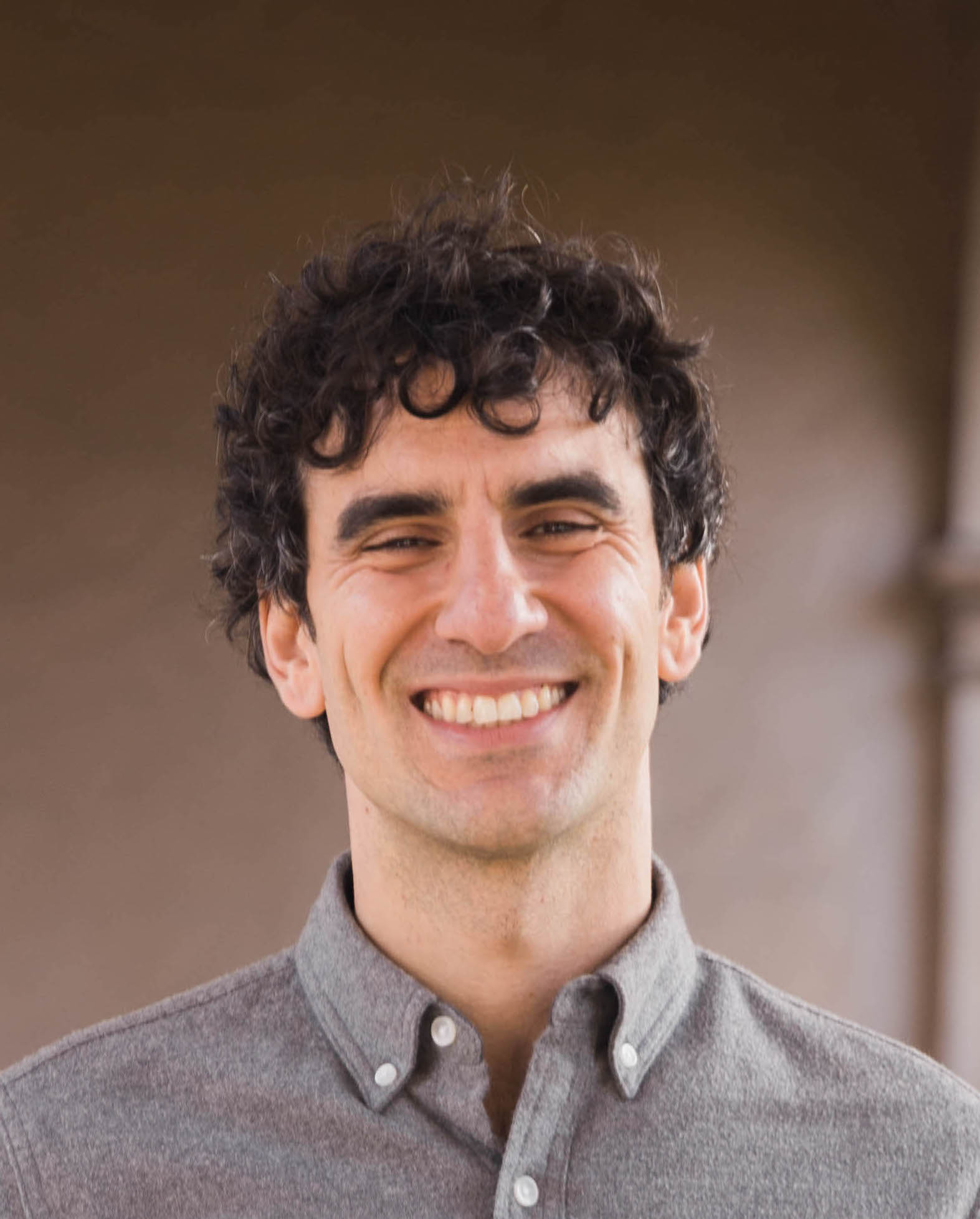
Dr. Shirag Shemmassian is the Founder of Shemmassian Academic Consulting and one of the world's foremost experts on medical school admissions. For over 20 years, he and his team have helped thousands of students get into medical school using his exclusive approach.