NYU Grossman School of Medicine has a 2.5% acceptance rate, average MCAT of 523, and average GPA of 3.98 and offers full tuition scholarships to all MD students.

Learn how to get into NYU Medical School

What You'll Learn
Full-Tuition Scholarships & Impact
How NYU Grossman School of Medicine’s tuition-free initiative works, its influence on applicant selectivity, and how it impacts graduate career choices.
Three-Year MD & Dual Degree Tracks
Key structural differences between NYU’s accelerated MD pathway, dual-degree programs, and the Long Island campus primary care track.
Academic Metrics & Competitiveness
General expectations regarding applicant academic preparation, competitive GPA and MCAT profiles, and overall admissions selectivity trends.
Prerequisite Recommendations
Competency-based coursework guidelines across the sciences, humanities, and research experience, along with MCAT recency requirements.
Application Timeline & Deadlines
Crucial application cycle milestones, from AMCAS primary submission and secondary turnaround timing to interview scheduling and notification windows.
Secondary Essay Strategies
Tactical guidance for addressing NYU’s supplemental prompts by showcasing leadership, adaptability, scholarly engagement, and institutional fit.
MMI Interview Format & Preparation
Insights into NYU’s Multiple Mini Interview (MMI) structure and how evaluators assess candidate problem-solving, communication skills, and ethics.
NYU Grossman School of Medicine: overview and what makes it unique
NYU Grossman School of Medicine quick facts
NYU Grossman School of Medicine programs, including the three-year MD fast track
NYU Grossman Long Island School of Medicine: a separate program worth knowing
NYU Grossman School of Medicine: class profile, MCAT and GPA
NYU Grossman School of Medicine free tuition and financial aid
NYU Medical School secondary application essays (examples included)
NYU Grossman School of Medicine MMI interview: what to expect
Frequently asked questions about NYU Grossman School of Medicine
----
NYU Grossman School of Medicine: overview and what makes it unique
Let’s get this straight. You’re not only going to one of the best medical schools in the country, but it’s also free?
That’s the scenario more and more medical school applicants dream of, and it’s probably why NYU Medical School, long a top program, has suddenly grown even more enticing for the ambitious premed.
NYU Medical School, recently renamed NYU Grossman School of Medicine, has always been a reach school for nearly every applicant who applies, given its low admissions rates and an expectation of top undergraduate performance and MCAT scores. But when NYU changed its tuition policy to offer all matriculants a tuition-free ride in 2018, applications went up nearly 50 percent.
So in this increasingly competitive environment, how can you get into NYU Medical School? Here we’ll demystify the components of the NYU Medical School application process and provide input on how to tackle NYU’s secondary prompts.
Learn everything you need to know to get into schools like NYU Medical School
Get our free 102-page guide to help you with every step: Get Into Medical School: 6 Practical Lessons to Stand Out and Earn Your White Coat
----
| NYU Grossman School of Medicine Quick Facts | |
|---|---|
| Acceptance Rate | |
| Applicants | |
| Interviews | |
| Matriculants | |
| Avg. GPA | |
| Avg. MCAT | |
| Tuition | |
| First-Year Cost of Attendance |
----
NYU Grossman School of Medicine programs, including the three-year MD fast track
NYU offers its students several routes through which they can get an MD:
Traditional Four-Year MD
This is ideal if you’re looking at programs that follow a typical, traditional format. NYU Grossman's four-year MD program is built around its Curriculum for the 21st Century: Personalized Pathways (C21), a patient-centered curriculum that integrates clinical skills training from the very first year alongside foundational science coursework. Students progress through pre-clerkship modules, core clerkships, and an individualized exploration stage offering electives and advanced clerkships tailored to their specialty interests.
If you’re going into med school without a set decision on a specialty to pursue, this program might be a fit. The four-year track is the default pathway for most students and offers maximum flexibility for those who are undecided on a specialty, interested in research, or considering a dual degree, all with full tuition covered by NYU's scholarship program.
Accelerated Three-Year MD with Directed Residency Pathway
If you’re more single-minded in your career goals, and looking for an accelerated curriculum, check out the Directed Residency Pathway. NYU Grossman's three-year MD directed pathway provides early conditional acceptance into any one of 21 NYU Langone Health residency programs for students who have already identified their specialty.
In this program, you will complete the same core MD curriculum as your four-year peers but enter residency a year earlier. You can apply to the three-year pathway at the time of initial MD application or opt in during medical school. If your career interests shift, the flexible curriculum can accommodate a return to the traditional four-year timeline, so don’t fret about being locked in.
MD/PhD (MSTP)
It can be difficult to decide between a traditional MD and an academic path when your interests are broad. The Medical Scientist Training Program (MSTP) at NYU Grossman balances these interests and prepares physician-scientists for leadership roles in academic medicine and biomedical research through a rigorous MD/PhD training track housed within the Vilcek Institute of Graduate Biomedical Sciences.
The combined degree program requires seven to eight years in total, but you’ll complete the MD curriculum as well as in-depth doctoral training in your chosen area of biomedical science.
Dual MD/Master's Degrees
If you’re looking at ways to make the most of your time in an MD program, dual degrees are worth checking out. NYU Grossman offers a suite of dual MD/master's degree programs that allow students to earn both degrees in less time and at lower cost than completing them separately.
Current options include the MD/MBA with NYU Stern, the MD/MPH in global health, the MD/MPA in health policy and management, the MD/MA in bioethics, the MD/MS in biomedical informatics, and the MD/MS in clinical investigation. All dual degree programs are applied to after matriculation into the MD program, and a dedicated dual degree advisor is available to help you plan your timeline and requirements.
----
NYU Grossman Long Island School of Medicine: a separate program worth knowing
If you’re considering NYU Medical School, it might also be worth exploring the related Long Island School of Medicine. NYU Grossman Long Island School of Medicine (LISOM) is a fundamentally different program from its Manhattan counterpart, and understanding the distinction matters before you apply to either. LISOM was built around a specific mission: to address the pressing shortage of primary care physicians in the communities served by the medical school and beyond, training future physicians as generalists in the disciplines of internal medicine, pediatrics, and obstetrics and gynecology.
What makes LISOM different? In part, the timeframe for the MD. If you’re looking for an accelerated program, LISOM might be the right fit. Its accelerated curriculum is the only three-year MD program focused exclusively on primary care in New York State, and providing a direct pathway into residency training at NYU Langone Hospital, Long Island.
The program is quite selective, and class size is capped at just 24 students, making it one of the smallest med school cohorts in the country. Upon acceptance, students are offered a directed pathway into their specified primary care residency program at NYU Langone Hospital, contingent on satisfactory academic progress and professional standards throughout medical school.
When it comes to residency, LISOM’s numbers cannot be beaten. Match Day 2026 marked the fifth consecutive year that 100 percent of LISOM's graduating class matched through the NRMP.
If NYU Grossman’s free tuition is what brought you here, don’t worry about LISOM being any different. On the financial side, all enrolled students are awarded three-year full-tuition scholarships regardless of need or merit, and additional debt-free scholarships are offered to students who demonstrate financial need to cover costs of attendance beyond tuition. For the 2026–27 academic year, the full-tuition scholarship amounts to $63,552 per student, with the school also fully subsidizing basic individual health insurance for all students.
If it sounds too good to be true, that’s because the competition is just about as tough as it gets. Data indicates an average MCAT of 516 and average GPA of 3.94 among matriculants, with only 0.5% of applicants joining the entering class.
That said, LISOM is only the right fit for applicants with a genuine and demonstrable commitment to primary care. If this describes you, LISOM offers one of the most financially and professionally accessible pathways to a primary care career in the country.
----
NYU Grossman School of Medicine: class profile, MCAT and GPA
NYU Medical School admissions statistics
With an acceptance rate of just 2.5 percent, NYU Grossman is one of the most competitive medical schools in the country. Let’s break down the admissions numbers for the incoming class of 2024 (graduating class of 2028):
Applications: 8,271
Interviewees: 821
Accepted: 208
NYU Grossman also publishes the following MCAT and GPA statistics for this class:
Matriculants: 106
Median GPA: 3.98
GPA range: 3.79—4.0
Median MCAT: 523
MCAT range: 516—527
MD students: 91
OMS students: 2
Dual-degree (MD-PhD) students: 13
(Suggested reading: Average GPA and MCAT Score for Every Medical School)
NYU Medical School admissions requirements
Neither NYU Grossman nor NYU LISOM require applicants to complete specific coursework. That said, they do recommend that you take the following:
Inorganic chemistry, organic chemistry, and biochemistry with lab
General biology with lab
General physics with lab
Statistics
Genetics
English
In addition, NYU LISOM recommends coursework in psychology and sociology.
To apply to NYU, you must submit an MCAT score no older than three years before your matriculation date. For example, if you plan to enroll in fall 2025, the oldest permissible MCAT score would be from January 2022.
(Suggested reading: Medical School Requirements: The Definitive Guide)
NYU Medical School application timeline
When applying to NYU Grossman or LISOM, plan to submit your AMCAS application and secondaries early. However, the application timelines for the two schools differ slightly.
Below are the dates you’ll want to keep in mind when applying to NYU Grossman:
May 1, 2026: AMCAS application opens
May 28, 2026: AMCAS application can be submitted
July 2026: Interview invitations extended
September 2026–December 2026: Interviews conducted
October 15, 2026: NYU Grossman AMCAS application deadline
November 10, 2026: NYU Grossman secondary application deadline
January 2027: Admissions decisions released
Here are the dates that differ for NYU LISOM:
September 2025–January 2026: Interviews conducted
November 1, 2026: NYU LISOM AMCAS application deadline
November 16, 2025: NYU LISOM secondary application deadline
February 2027: Admissions decisions released
(Suggested reading: The Ideal Medical School Application Timeline)
Over 90% of our students get into med school—the first time.
Get our free 102-page guide to help you with every step: Get Into Medical School: 6 Practical Lessons to Stand Out and Earn Your White Coat
----
NYU Grossman School of Medicine free tuition and financial aid
Yes. NYU is now covering its students’ tuition. But living in Manhattan (or on Long Island) is extremely expensive, and paying for room, board, books, and other expenses will still cost you $38,616 a year, according to NYU’s cost of attendance estimates
Plan around those costs when you consider an NYU medical education. If cost is your primary concern when considering medical school, your in-state school might actually be cheaper than NYU, even with the free ride built in.
(Suggested reading: Medical Schools in New York: How to Get In)
----
NYU Medical School secondary application essays (examples included)
After you’ve submitted your AMCAS application, you’ll have a chance to complete your secondary applications. Below you’ll find the current secondary essay prompts faced by applicants to NYU Grossman this year, plus a few strategies about how to approach them. We’ve also included sample essays written in response to the major questions, based on composites of our successful students from nearly 20 years of advising.
Question 1: Please check the box indicating the specific residency track for which you wish to be considered (IM/FM/Peds/OBGYN/Gen Surg) and discuss the reason(s) for your choice and which experiences listed on your AMCAS application have confirmed your decision to pursue this field of medicine in the context of primary care and why. Please also discuss any other factors- such as your academic interests, personal circumstances or life journey- that have influenced your residency choice. (350 words)
Question 2: Please provide a response to the timeline that pertains to you: (350 words)
If you have graduated from college: Please tell us what you have been doing since that time up until the present and your reasons for doing so, including your plans for the upcoming application cycle? Please also discuss how these experiences have informed you of your understanding of primary care and chosen residency track.
If you are still in college: What factors influenced your decision to apply to NYUGLISOM directly from undergrad? Please also tell us your planned academic, extracurricular, research, community service and/or work activities for the upcoming application cycle and how any of these activities align with your interest in primary care and chosen residency track?
Question 3: Do you have any personal, professional, or educational ties to the Long Island, NYC-metropolitan or Tri-State (NY, NJ, CT) Areas? If so, please describe how these connections have influenced your decision to apply to NYUGLISOM and how they may impact your future plans to practice medicine. (350 words)Question 3: Do you have any personal, professional, or educational ties to the Long Island, NYC-metropolitan or Tri-State (NY, NJ, CT) Areas? If so, please describe how these connections have influenced your decision to apply to NYUGLISOM and how they may impact your future plans to practice medicine. (350 words)
Question 4: Please comment on any significant fluctuations in your academic record or inconsistencies in your MCAT score; if you took a leave of absence for any reason during college; or any application irregularities that you feel would be helpful for the admissions committee to consider when conducting its holistic review of your credentials. (350 words, optional)
When answering this question, you’ll want to take a non-defensive approach, and spin your fluctuations into a positive, if possible.
For instance:
In my second semester of my freshman year, I was enrolled in six credits, including organic chemistry and advanced Russian. Knowing that I wanted to spend my summer researching public health outside of Moscow, I withdrew from the organic chemistry course so I could spend the following summer completely immersed in the subject matter. I earned top marks in the summer program and my time in Russia led me directly to the Master’s in Public Health I’m completing this year.
Question 5: Please feel free to share any other information that you have not already included in your AMCAS application or secondary responses that you believe would be relevant for the admissions committee to know about. (350 words, optional)

Struggling to write your NYU Medical School secondary essays?
Get our free 102-page guide to help you with every step: Get Into Medical School: 6 Practical Lessons to Stand Out and Earn Your White Coat
NYU Long Island School of Medicine (LISOM) Secondary Essays
If you’re planning on attending NYU LISOM, you’ll have a different set of secondary questions to answer. Below, we’ve included the 2022-2023 NYU LISOM secondary prompts, along with information on how to answer each prompt and sample essays for each prompt.
Question 1: NYULISOM seeks to admit highly motivated candidates whose experiences and professional goals directly align with our primary care mission and demonstrate a commitment to a future career as a general practitioner in fields of medicine that are anchored in the principles of primary care and address the growing physician workforce shortages in specific medical disciplines.
To advance this mission, acceptance to NYULISOM is paired with the offer of a directed-pathway to residency into one of four designated residency programs at NYU Langone Hospital – Long Island.
Internal Medicine
Pediatrics
Obstetrics & Gynecology
General Surgery
Please indicate the specific residency track for which you wish to be considered and explain the reason(s) for your choice, including those experiences listed on your AMCAS application that have confirmed your decision to pursue this field of medicine in the context of primary care. If applicable, please also discuss any other factors –such as your personal journey, academic interests or activities not listed on your application— that have influenced your choice. (350 words)
When answering this prompt, be sure to do some research at NYU LISOM’s website for your chosen track so you can tie that in with what you write. You’ll want to pay particular attention to the key competencies and roles that are discussed for residents of that track and be sure to choose experiences that demonstrate that you’ve developed those competencies.
Here’s an example written by a student who was interested in the Pediatrics residency track:
I knew early on I wanted to work with kids in my future career, but probably the biggest factor involved watching my youngest brother delivered prematurely and seeing the delicate way the pediatric neurosurgeon, pediatric cardiologist, and NICU nurses handled him and the other patients in their care. My mother had COVID during her delivery making his situation even more critical. I remember being frightened because very little was known about the effects of COVID on pregnancy and what we did know sounded dismal for preterm patients.
As the oldest of eight, I’ve had many experiences working with young kids both in my home and outside it. Growing up, I volunteered with my church’s preschool department, babysat many of the neighborhood kids after school, and worked as a VBS leader every summer. I also spent every summer of my college years back home as a VBS leader and helped organize my church’s annual Back-to-School Bash, which was a community-wide event that involved collecting donations throughout the summer and culminated with handing out backpacks and school supplies to the kids in my community.
With this in mind, I have a strong interest in pursuing the Pediatrics Residency track. Specifically, I’d like to become involved in the research that centers around predicting preterm labor in COVID patients. My baby brother’s birth played a huge role in this interest, but I’d also like to know that I’m at the forefront of innovative research that supports the Long Island community on the whole.
What makes this an effective response?
The student focused on a specific track and did research into key competencies expected of individuals who pursue that track. They then used examples that highlighted at least one of those competencies (leadership) as well as specific focus areas for their chosen track.
Question 2: Please indicate the specific residency track for which you wish to be considered and explain the reason(s) for your choice, including those experiences listed on your AMCAS application that have confirmed your decision to pursue this field of medicine in the context of primary care. If applicable, please also discuss any other factors –such as your personal journey, academic interests or activities not listed on your application— that have influenced your choice. (350 words)
Question 3: (Optional) Please comment on any significant fluctuations in your academic record or inconsistencies in your MCAT score; if you took a leave of absence for any reason during college; or any application irregularities that you feel would be helpful for the admissions committee to consider when conducting its holistic review of your credentials. (400 words)
Question 4: (Optional) Please feel free to share any other information that you have not already included in your AMCAS application or secondary responses that you believe would be relevant for the admissions committee to know about. (400 words)
----
NYU Grossman School of Medicine MMI interview: what to expect
Have you received an interview invitation from either or both NYU programs? Congratulations!
NYU Grossman School of Medicine conducts all Multiple Mini Interviews (MMI) virtually. The MMI involves a series of short conversations between you and several different interviewers, rather than the traditional one-on-one or panel format, and you will rotate through eight virtual stations with faculty, students, and staff, with the entire process taking approximately one hour and fifteen minutes.
If you’re wondering why this format over the traditional one-on-one, the research basis for the MMI format is strong: having applicants interact with many interviewers rather than one or two reduces the chance that interviewer bias affects scoring, and studies have shown that MMI scores are predictive of performance on clinical clerkships, measures of professionalism, and future scores on clinical exams.
For NYU Grossman specifically, only about 10% of applicants receive interview invitations, meaning if you've been invited, you've already cleared a significant hurdle. The MMI is your primary opportunity to demonstrate the qualities your application cannot fully convey on paper. Think of the interview as a way to convey yourself as a fuller person and candidate, not just a sum of your scores and statistics.
The format is built to help you convey physician characteristics that aren't reflected by MCAT scores or GPA alone, such as relatability, maturity, empathy, and reliability. Stations focus on situational and ethical scenarios that test reasoning, communication, and professionalism. You should be prepared to discuss past experiences in patient care, teamwork, and managing difficult conversations. Prepare by practicing timed responses to ethical dilemmas and interpersonal scenarios out loud, ideally with a partner who can give real-time feedback.
(Suggested reading: How to Ace Medical School Interviews)
----
Frequently asked questions about NYU Grossman School of Medicine
What is the acceptance rate at NYU Grossman School of Medicine?
NYU medical school is competitive, with just a 2.5% acceptance rate. This is well below the average medical school acceptance rate of 4%, making it significantly more challenging for admission.
What MCAT score do I need for NYU medical school?
The median MCAT score is 523, with applicants ranging from 516-527. While NYU views applicants as more than just a score, a strong performance on the MCAT will help bolster your application.
What GPA do I need to get into NYU medical school?
The median GPA range for accepted students is a 3.98, with the range being from 3.79—4.0. This again positions NYU as one of the most competitive schools for this requirement.
Is NYU medical school really free?
Tuition and health insurance are completely covered at NYU Grossman School of Medicine! However, costs of living in the city still exist, and can be quite hefty. It’s worth weighing the costs of living in NY against tuition at other schools to make an informed decision about where you go.
Does NYU Grossman prefer in-state applicants?
NYU medical school evaluates all applicants equally, and matriculants actually favor out-of-state. In-state matriculants for 2025-2026 equaled 21.2%, while out-of-state matriculants 78.8%.
What is the interview format at NYU medical school?
NYU uses the MMI, or multiple mini interview, format. These are conducted virtually. Instead of a single interview with one interviewer, this format includes several brief interviews with different interviewers. This can help avoid any bias that might occur with a single interviewer.
Final thoughts
Applying to NYU Medical School may be intimidating, but it’s a fantastic opportunity to attend a school that’s invested—both figuratively and financially—in your future. In addition to earning top grades and test scores, focus on writing fantastic essays to round out your application and to get you one step closer to an NYU MD.
About the Author
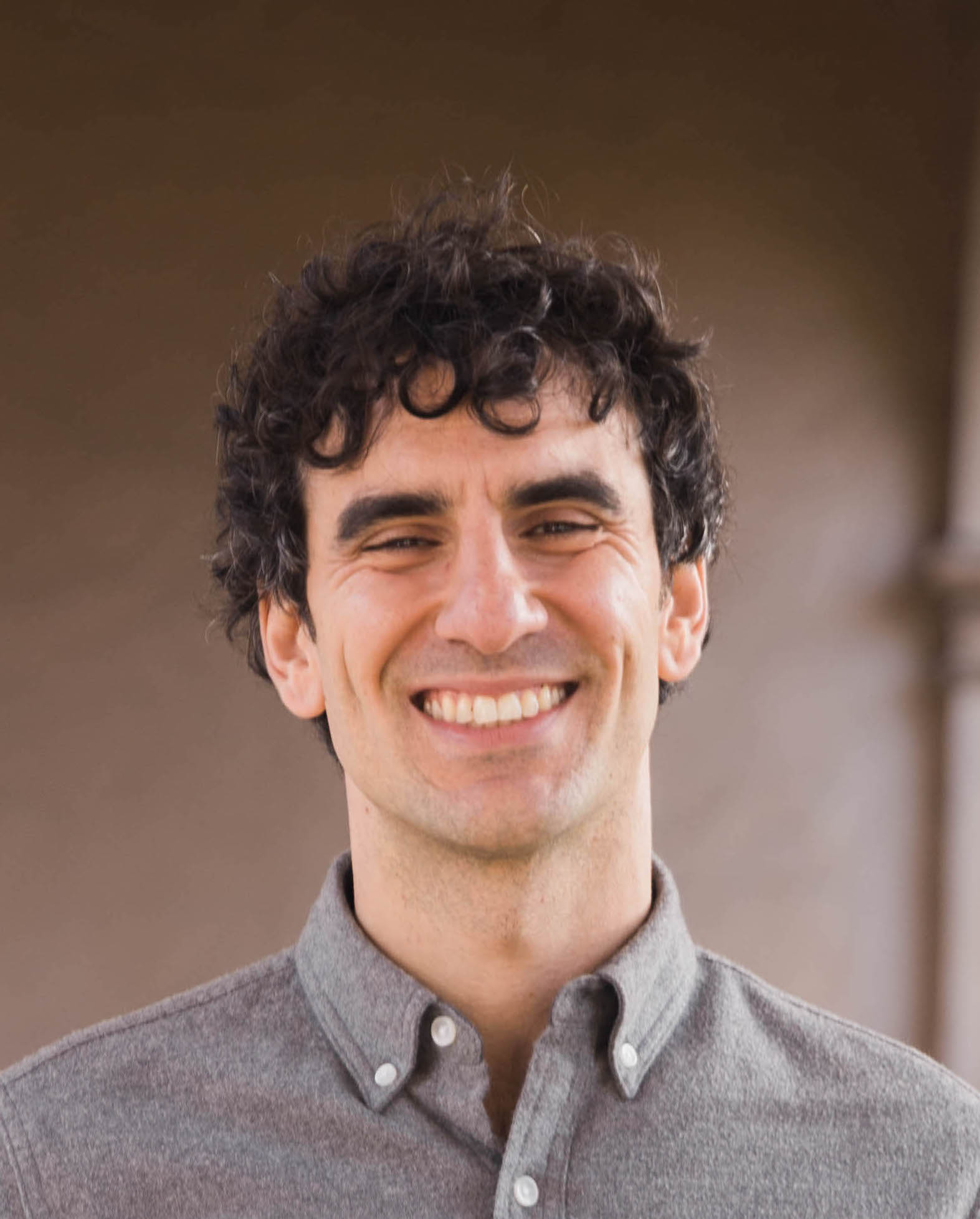
Dr. Shirag Shemmassian is the Founder of Shemmassian Academic Consulting and one of the world's foremost experts on medical school admissions. For over 20 years, he and his team have helped thousands of students get into medical school using his exclusive approach.
THERE'S NO REASON TO STRUGGLE THROUGH THE MED SCHOOL ADMISSIONS PROCESS ALONE, ESPECIALLY WITH SO MUCH ON THE LINE. CLICK BELOW TO SCHEDULE YOUR COMPLIMENTARY CONSULTATION TO ENSURE YOU LEAVE NOTHING TO CHANCE.