What to do each month of the 2027-2028 application cycle to ensure timely and high-quality materials to help maximize your odds of getting accepted. Plus, the complete list of medical school application deadlines.

What You'll Learn
Your Month-by-Month Plan
When to tackle each piece of your application, from taking your final MCAT and securing recommendation letters in the spring to submitting your primaries, interviewing, sending update letters, and choosing a school.
Why Secondaries Matter
Why schools won’t comprehensively review your application until your secondary is in, and why you should start pre-writing secondary essays as soon as your primary application is finalized.
Early vs. Late Applications
What “early” and “late” really mean in rolling admissions, why submitting a strong application as soon as possible gives you an advantage, and why quality always trumps speed.
Deciding When to Apply
How MCAT timing affects your essay-writing window, why readiness matters more than the calendar, and how to weigh strengthening your profile with a gap year against delaying the start of your career.
----
Introduction to the medical school application timeline
One of the rare pieces of medical school admissions advice that all of us can agree on is that the sooner you submit your applications, the better. That way, you can take full advantage of the rolling admissions process and maximize your odds of getting into medical school.
However, “apply early” doesn’t address the all-important questions of when you should aim to complete each component of your application—personal statement, Work and Activities section, secondary essays—or when you should collect required materials like recommendation letters.
Therefore, we developed a recommended medical school application timeline to help ensure that you submit your materials early and do so with the highest quality and least anxiety. Our timeline does not include general advice like “save money for your applications,” “keep working hard in classes and extracurricular activities,” or “attend medical school admissions fairs.” Instead, it exclusively focuses on when you should complete various pieces of your applications.
Of course, everyone’s situation is different, so it’s essential to be flexible with your medical school application timeline. If you begin your application process sooner (for example, some of our students begin working on their personal statement as early as the September before their application year), you’ll have more time to tackle each component and can, therefore, spread your work out. You may even be able to pre-write a significant number of secondary applications. Conversely, if you start working on your applications later than we recommend, you’ll have to move things along more quickly.
The latter point is very important to keep in mind. Just because you may start your application process later than we recommend doesn’t mean all is lost; far from it! Just make sure to work diligently, and never submit less than your best work just to get things in “early” (more on what “early” and “late” mean in the FAQ section at the end of this article). Quality always trumps speed.
For specific application deadline dates, we encourage you to visit the AMCAS (MD schools), AACOMAS (DO schools), and TMDSAS (Texas public schools) websites.
Without further ado, here’s our recommended timeline:
----
Month-by-month medical school application timeline
January–April 2027: MCAT, recommendation letters, and essays
Register with your school’s pre-health advising committee (if one exists)
(Suggested reading: Pre-Health Committee Letter for Medical School: Do You Need One?)
Request and obtain recommendation letters
(Suggested reading: Medical School Letters of Recommendation: The Definitive Guide)
(Suggested reading: How to Write Your Own Letter of Recommendation for Medical School)
Take your final MCAT
(Suggested reading: When Should You Take the MCAT?)
(Suggested reading: MCAT Test Dates)
(Suggested reading: The Ideal MCAT Study Schedule)
(Suggested reading: What MCAT Score Do You Need to Get Into Medical School?)
(Suggested reading: The Best MCAT Prep Books and Other Resources)
(Suggested resource: MCAT premium content hub)
Determine if you need to take the AAMC PREview exam, and register for the test
(Suggested reading: How to Ace the AAMC PREview Exam)
Consult MSAR to confirm each medical school’s specific requirements
(Suggested reading: Medical School Requirements: The Definitive Guide)
(Suggested reading: Average GPA and MCAT Score for Every Medical School)
Brainstorm, outline, and write your personal statement(s) (you’ll need separate, though mostly similar, versions for MD and DO schools)
(Suggested reading: Medical School Personal Statement: The Ultimate Guide)
(Suggested resource: Medical school personal statement example library, including paragraph-by-paragraph analyses for each)
Brainstorm, outline, and write your Work and Activities section
(Suggested reading: AMCAS Work and Activities: The Definitive Guide)
Brainstorm, outline, and write your TMDSAS essays (if you plan to apply to Texas public schools)
(Suggested reading: TMDSAS: The Ultimate Guide)
Brainstorm, outline, and write your MD-PhD essay (if you plan to apply to MD-PhD programs)
(Suggested reading: MD-PhD Programs: The Ultimate Guide)
May 2027: AMCAS opens; submit AACOMAS and TMDSAS
Submit AACOMAS and TMDSAS
Complete AMCAS demographic and academics sections
(Suggested reading: AMCAS Application: The Ultimate Guide)
Release MCAT scores to various application systems
Remind recommendation letter writers to send in their work if they haven’t already
Finalize your personal statement and Work and Activities section by May 15
Order official transcripts from every college and university you have attended
(Suggested reading: AMCAS’s transcript FAQ page)
Register for the Casper Test
(Suggested reading: How to Prepare for the Casper Test to Get Into Medical School)
(Suggested reading: Casper, Snapshot, and Duet: Everything You Need to Know)
(Suggested resource: Casper Mastery prep course)
Begin to pre-write secondary application essays immediately after you finalize your primary applications
(Suggested reading: Medical School Secondary Essays: The Complete Guide)
(Suggested reading: Medical School Secondary Essay Prompts)
(Suggested resource: Medical school secondary essay example library)
Finalize your school list
(Suggested reading: How Many Medical Schools Should I Apply To? Which Ones?)
(Suggested reading: MD vs. DO Admissions: What are the Differences?)
(Suggested reading: Do Medical School Rankings Matter?)
(Suggested reading: Our guides on medical schools in Arizona, California, Colorado, Connecticut, Florida, Georgia, Illinois, Massachusetts, Michigan, Minnesota, Missouri, New Jersey, New York, North Carolina, Ohio, Pennsylvania, South Carolina, Tennessee, Texas, Virginia, Washington, and Washington, D.C.)
(Suggested reading: Canadian-Friendly American Medical Schools: How to Get In)
(Suggested reading: Medical Schools in Canada: How to Get In)
(Suggested reading: The Best Caribbean Medical Schools for Students with Low Stats)
June 2027: Submit AMCAS and track verification
Submit AMCAS (as early as possible in the month, and without sacrificing quality)
Ensure that recommendation letters and transcripts have been received by AMCAS and other application systems (do not assume your application is complete unless you receive an email or other notice informing you that it is)
Continue pre-writing secondary application essays
July–August 2027: Complete secondary applications
Submit secondary applications (as soon as possible after receiving them, and without sacrificing quality)
Begin to prepare for medical school admissions interviews
(Suggested reading: How to Ace Your Medical School Interviews)
(Suggested reading: MMI Interview: The Ultimate Guide)
September 2027–March or April 2028: Interview season and update letters
Continue preparing for interviews
Complete interviews
Send letters of interest, with updates, prior to receiving interviews, if accepted and appropriate (i.e., if you have significant updates to share and at least a month has passed since submitting your secondary)
Send letters of interest/intent after completing interviews/getting placed on the wait list, if accepted and appropriate (a letter of interest communicates fit and interest to attend the school if admitted, whereas a letter of intent communicates fit and intention to attend if admitted)
(Suggested reading: How to Write a Great Medical School Letter of Intent or Letter of Interest)
(Suggested resource: Medical school update letter example library)
October 2027–May 2028: Acceptances, waitlists, and choosing a school
Review admission and financial aid offers
Negotiate financial aid offers
(Suggested reading: Top Medical School Scholarships)
(Suggested reading: Medical School Scholarships: How to Increase Your Odds)
(Suggested reading: Medical Student Loans: A Comprehensive Guide)
Attend second look and admit weekend activities
Select a program to attend
(Note: While most admissions decisions are sent out by the end of May, schools may admit students off the wait list or otherwise up until classes begin, but usually by the end of June.)
Over 90% of our students get into med school—the first time.
Get our free 102-page guide to help you with every step: Get Into Medical School: 6 Practical Lessons to Stand Out and Earn Your White Coat
----
Key medical school application dates and deadlines for 2027–2028
Note: The dates below are estimates based on the previous years’ application timeline. We are actively monitoring the application websites and will update these dates as they become available.
AMCAS dates and deadlines (MD schools)
AMCAS application opens: Early May, 2027
Last day to take the MCAT without delaying your application: Late May 2027
First day to submit AMCAS: Late May 2027
First date that processed applications will be released to medical schools: Late June 202
AMCAS Early Decision Program (EDP) deadline: Early August 2027
AACOMAS dates and deadlines (DO schools)
AACOMAS application opens: Early May 2027
First AACOMAS applications released to medical schools: Early May 2027
AACOMAS application closes: Mid April 2027
TMDSAS dates and deadlines (Texas public schools)
TMDSAS application opens: Early May 2027
First day to submit TMDSAS: Mid May 2027
TMDSAS Early Decision deadline: Early August 2027
TMDSAS application deadline: Early November 2027
----
Medical school application timeline FAQs
When does AMCAS open for the 2027-2028 application cycle?
AMCAS will open in early May 2027, and you can submit your application in late May 2027. This application cycle will be for those who plan to start medical school in the summer or fall of 2028.
When do med school applications close?
Medical school applications close depending on the application service and individual schools. You can see the most up-to-date official deadlines here.
What’s the latest MCAT date that still works for this cycle?
As mentioned above, we typically recommend taking your final MCAT no later than April. That way, you can devote some of April, all of May, and all of June to essay writing. Of course, if you complete your MCAT earlier, you can begin writing earlier.
Nevertheless, you won’t be “late” if you take the MCAT in May because you’ll receive your score in June. However, taking the MCAT in May will translate to less time for pre-writing essays, meaning you’ll have to work under more pressure to ensure that applications get in at the correct times. One way to mitigate this time pressure is to begin writing your essays earlier in the year and devote March, April, and some of May to MCAT studying. Then, once you complete the MCAT, you can return to writing.
If you take the MCAT in June, you can still be competitive for medical school during that year’s admissions cycle. However, the time pressure to submit your applications promptly will increase dramatically.
When should I apply to med school?
Most students should submit their primary application in late May or June of the year before they plan to start medical school. For a direct-entry applicant, that means applying the summer after junior year of college. With one gap year, it means applying the summer after graduation. Either way, you’ll need your MCAT done by spring and your essays nearly finished by May.
The right year depends less on the calendar than on your readiness. Apply when your GPA, MCAT score, clinical experience, and letters of recommendation can compete at the schools on your list. Today, many successful applicants take at least one gap year to strengthen their profile. Because admissions are rolling, a strong application submitted in early June has a real advantage over the same application submitted in September. If your materials won’t be ready until late summer, waiting a cycle could be the better choice.
Should I apply this year or wait a year?
Students can often strengthen their admissions profile by waiting to apply during a future cycle, assuming they use the time to boost their grades, MCAT scores, or extracurricular activities. However, you must weigh this potential incremental gain against time. By waiting another year, you also delay the start of your career.
Of course, many situations justify taking an additional year or two to apply, such as lower grades, MCAT scores, or a significant gap in your extracurricular profile. Make sure to seek professional guidance if you’re unsure about your competitiveness.
(Further reading: How to Spend Your Gap Year Before Medical School)
When is my medical school application considered late?
Before we answer the lateness question, we should mention the following two key points:
AMCAS, AACOMAS, and TMDSAS send your primary application to the schools on your list once your essays and official transcript(s) are in and your transcript(s) have been verified. On the other hand, neither your MCAT nor letters of recommendation are required for verification. (Verification is completed in the order of applications and transcripts received, and the time it takes—usually between one and four weeks—depends on how many applications are ahead of yours.) You will not receive secondary applications from schools until they receive your primary application.
Medical schools will not comprehensively review your application until you submit your secondary. (A small minority of schools review your primaries to decide whether to send you a secondary.) For example, if you submit AMCAS on June 1 yet do not submit your secondary to Harvard Medical School until September 1, Harvard will begin reviewing your application sometime after September 1.
Many medical school applicants focus on submitting their primaries as early as possible after the application system allows, yet do not work on their secondaries with the same diligence. We strongly recommend that you begin working on your secondary essays immediately after you finish writing your primaries and aim to submit all your secondaries as soon as possible, ideally no later than the end of August.
We receive many variations of the “late” question, such as, “Will it be OK if I submit my applications by [date]?” or “Do I still have a chance if I apply at this point?” There is no precise date before which your application is considered early or after which your application is considered late.
Your goal should be submit your applications as soon as possible, without sacrificing quality. If you anxiously submit essays before they’re strong, the low quality of your work will follow you throughout your application process. In addition to negating any benefit of submitting earlier, low quality work will harm your admissions odds.
How long does the whole application process take?
The application cycle itself runs about 15 months, from AMCAS opening in May to starting medical school in July or August of the following year. Including preparation (MCAT, letters, and essays), most applicants spend 18 to 24 months from start to matriculation.
Here’s roughly how that time breaks down. Plan on 4 to 12 months of preparation before AMCAS opens. After you submit, verification takes about one to four weeks, and secondary applications usually arrive within a few weeks of that, through July and August. Interviews run from about September through March. Acceptances begin going out in the fall and continue through spring, and waitlist movement can continue until classes begin. The single biggest factor you control is how quickly you turn around secondaries after you receive them.
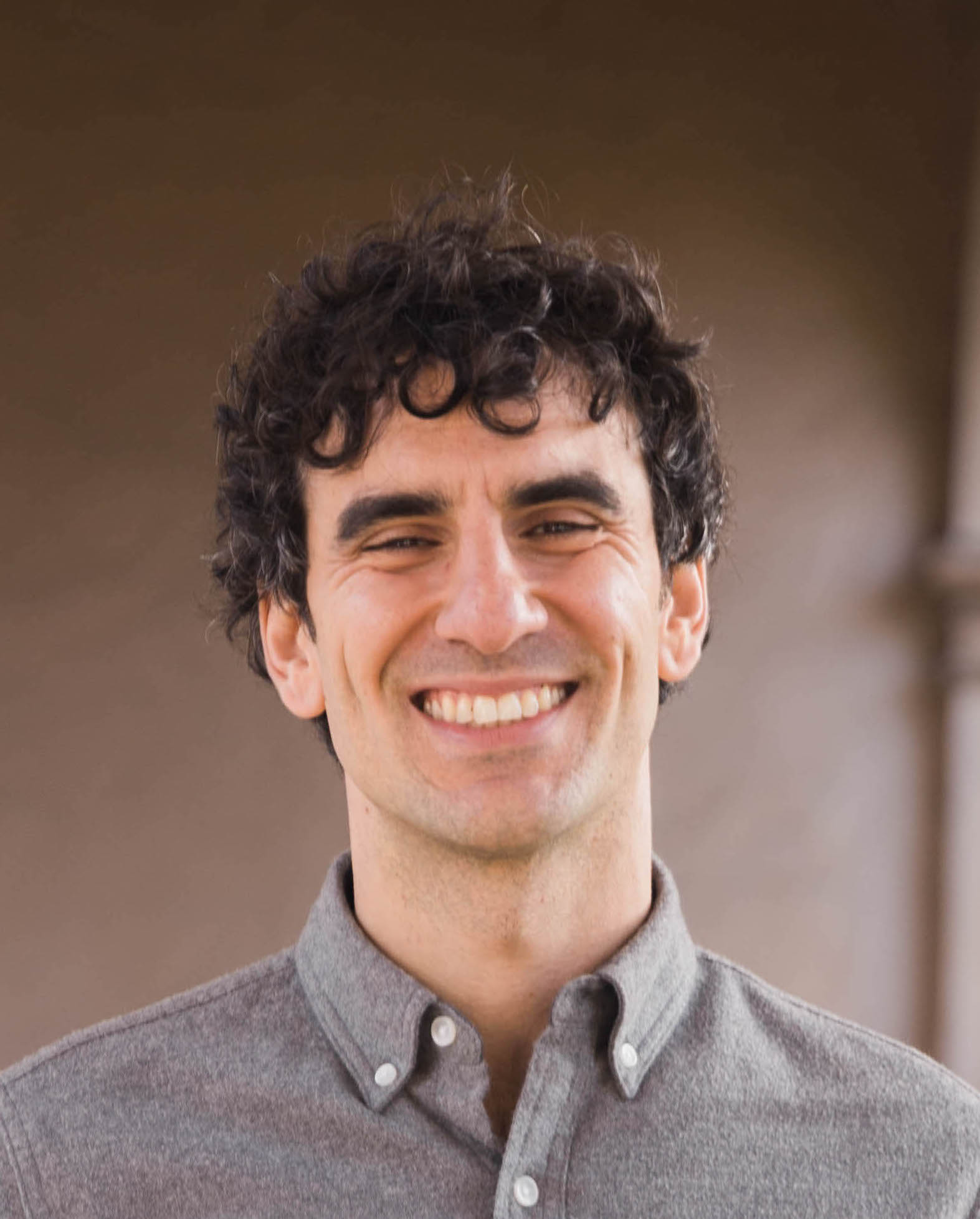
About the Author
Dr. Shirag Shemmassian is the Founder of Shemmassian Academic Consulting and one of the world's foremost experts on medical school admissions. For over 20 years, he and his team have helped thousands of students get into medical school using his exclusive approach.
Learn everything you need to know to get into medical school.
Get our free 102-page guide: Get Into Medical School: 6 Practical Lessons to Stand Out and Earn Your White Coat


THERE'S NO REASON TO STRUGGLE THROUGH THE MED SCHOOL ADMISSIONS PROCESS ALONE, ESPECIALLY WITH SO MUCH ON THE LINE. CLICK BELOW TO SCHEDULE YOUR COMPLIMENTARY CONSULTATION TO ENSURE YOU LEAVE NOTHING TO CHANCE.