How Many Shadowing Hours Do You Need for Medical School?
Everything you need to know about the number and type of shadowing experiences you need to make your med school application competitive.

How many hours are competitive?
When to start shadowing
How to find shadowing opportunities
How many specialties should you shadow?
Virtual vs in-person shadowing
What medical schools are looking for
Frequently asked questions
As much as we wish we could give a simple answer to a simple question, unfortunately, it doesn’t exist. When it comes to shadowing before medical school, there is no magic number of hours that will guarantee a successful medical school application. There is, however, a range of hours that we strongly recommend, based on over twenty years of experience helping applicants get into medical school.
In this article, we’ll break down all the details about how many physician shadowing hours will make you a competitive applicant, what kinds of shadowing experiences are the most meaningful or impressive, how early you should start shadowing, how to secure shadowing experiences across various specialties, and how to impress adcoms when you write essays or respond to interview questions about your shadowing experiences.
----
How many hours are competitive?
We’ve established that there’s no magic number of physician shadowing hours, but there just might be a magic range. Where your number of hours should fall within that range depends on several factors, including:
How strong the rest of your application is,
How selective a given medical school is, and
How effectively you can convey what you learned during your shadowing experiences through your essays, AMCAS Activities descriptions, and interviews.
So what’s the magic range?
We strongly recommend a minimum of 100 shadowing hours for any applicant who is serious about their desire to get into their top-choice schools. This number should ideally be divided up between at least two or three specialties, with the most time devoted toward the specialty you’re most strongly interested in. When possible, you should also strive to spend time within different types of care settings—like inpatient, outpatient, and community clinics.
However, keep in mind that shadowing hours alone won’t keep your application afloat if you don’t also have strong transcripts, stats, essays, activity descriptions, and interviews to buoy it. And no matter how great your shadowing experiences were, adcoms will never know if you can’t effectively communicate them. So be sure that you spend ample time preparing specific, genuine, memorable anecdotes from your shadowing experiences to share in your essays and interviews.
Applicants aiming for less selective programs might aim for 50-75 hours, but again, the rest of your application should compensate.
And if you’re in a time crunch—perhaps you decided late that you want to apply to medical school, or illness or other obligations prevented you from being able to devote as much time to shadowing as you’d have liked—30 hours is the absolute bare minimum. However, in these cases, we’d often recommend considering taking a gap year to refine your application by banking more shadowing hours and taking the time to strongly consider your motivations for pursuing a career in medicine.
After all, the medical school application process is extremely arduous, frequently leading to burnout. Instead of putting yourself through the wringer with a lackluster application and running a high risk of having to do it all over again the following year, it’s often better to take a step back, intentionally map out the upcoming year, and aim for applying after you’ve had a chance to strengthen your application.
Quality vs quantity
Physician shadowing hours offer solid proof to admissions committees that you have witnessed, firsthand, what the day-to-day life of a physician looks like. Even if you initially chose to pursue medicine based on an idealistic, slightly unrealistic expectation of making a high salary while rescuing people from disease, logging a large number of shadowing hours will reassure medical school adcoms that you know exactly what you’re getting yourself into by pursuing this extremely challenging (yet rewarding) profession.
But in order to really convince adcoms that you’ve made a well-informed decision about your future as a healthcare professional, you’ll need to focus even more on the quality of your physician shadowing hours than the quantity of the hours.
So, how can you be sure your shadowing experience is “high-quality” in the eyes of adcoms? Here are the criteria you should stick to:
Shadow various doctors in different specialties. This is an invaluable way to gain a firsthand perspective on which specialties might be a good fit when it comes time for you to choose your residency programs. Developing an interest in specific specialties will also help you narrow down your decisions about future clinical and research experiences.
When possible, try to seek out a mentor-mentee relationship with at least one of the doctors you shadow. Be aware that not all doctors will have the bandwidth to take on a mentee, but also remember that every doctor was once a young, hopeful premed. Many are eager to provide personalized mentorship and answer your questions about the pros and cons of a medical career.
Consider scheduling time outside of their working hours to conduct an informational interview with the physician you’re shadowing. Meeting with your mentor outside of a clinical setting might allow you to ask more specific questions about their own journey through medical school, their perspective on the medical field, the state of the healthcare system, their unique approach to patient care, and lessons they’ve learned from patient interactions beyond just the ones you personally observed. Connecting with a mentor might even eventually lead to letters of recommendation, or future shadowing, research, or work opportunities.
Seek shadowing opportunities where you can observe a lot of doctor-patient interactions. Shadowing other members of a healthcare team is also meaningful, but the majority of your shadowing hours should be spent learning how doctors build rapport with their patients, communicate complex or troubling information, and approach challenging decision-making scenarios. For every few hours of shadowing, you should have at least one possible meaningful anecdote in mind that you could mention in a medical school application essay or interview. And be sure to take notes, so the details don’t fade by the time application season rolls around!
Over 90% of our students get into med school—the first time.
Get our free 102-page guide to help you with every step: Get Into Medical School: 6 Practical Lessons to Stand Out and Earn Your White Coat
----
When to start shadowing
Although medical school adcoms typically only count shadowing hours from your college years, we still strongly recommend you start shadowing while still in high school. Not only is it a great way to help you better understand why you’re interested in medicine and which specialties you might want to pursue, but it could also open doors to future shadowing opportunities.
For example, the doctor you shadowed as a high school sophomore might connect you with his friend in another specialty, who might then connect you with his former mentor in yet another specialty—and before you know it, you have a whole network of doctors in your Contacts list even before you get to medical school!
----
How to find shadowing opportunities
Although it can be difficult to find official shadowing programs that are open to high schoolers, you may be surprised at how readily your primary care doctor or your neighbor’s cardiologist might be willing to allow you to shadow them—if you only manage the courage to ask!
Starting that conversation might feel intimidating at first. But remember: every doctor started their journey with shadowing, and most are thrilled to return the favor. Even cold emailing or cold-calling physicians in your area can return great results. Most hospital and clinic websites have a directory of physicians organized by specialty. If you’re not sure where to begin, try using one of the scripts in our How to Ask to Shadow a Doctor guide.
And if you happen to have a doctor in the family—all the better! There’s no harm in shadowing a family member, as long as you don’t request a medical school recommendation letter from them.
----
How many specialties should you shadow?
Again, there’s no magic number, but we recommend identifying at least two or three areas of interest and trying to attain shadowing hours in each. If you’re really certain that you know which specialty you want to pursue, you may focus most of your hours there. But be careful not to box yourself in too much. It may be best to keep your options open to the possibility of discovering an interest in a new area. After all, a good doctor is able to collaborate with their colleagues in other specialties to provide holistic care to their patients, rather than maintaining a narrow focus on only their own area of expertise.
That said, if you’re unable to secure a shadowing opportunity with a physician who specializes in your area of interest—or if you’re still not sure which specialty you might want to pursue—don’t worry. Medical school adcoms won’t expect you to have your career path locked in before even entering medical school. After all, that’s what medical school is for!
And if you’re hoping to keep your options open, a great place to start is with the primary care specialties: family medicine, internal medicine, and pediatrics. Any of these will guarantee a healthy dose of clinical exposure with a diverse range of patients, and the patient cases you observe in these contexts may end up sparking your interest in other specialties, too.
----
Virtual vs in-person shadowing
Virtual shadowing programs rose in popularity during the COVID-19 pandemic, when they were the only option due to safety restrictions in most clinical settings.
Today, medical school adcoms strongly prefer in-person shadowing experiences, but virtual shadowing can still be beneficial, especially in the following scenarios:
Your only option for shadowing a doctor within your specialty of interest is a virtual opportunity.
You’d like to shadow a clinical setting in another geographic area that you can’t easily travel to.
You’re struggling to meet your quota of shadowing hours before submitting your medical school applications.
----
What medical schools are looking for
Ultimately, shadowing hours are just one piece in the puzzle of essential elements that make up a successful medical school application. Your MCAT, GPA, and other extracurriculars—including research and more hands-on clinical experiences like hospital volunteering—will also play a vital role in your success as an applicant.
But even if you’ve gone above and beyond in your academic and extracurricular endeavors, you might not stand out to adcoms if you aren’t able to convey your takeaways from those experiences effectively. Your essays, AMCAS Activities descriptions, and interview responses must include specific examples of your own interactions with patients, observations within clinical settings, and personal motivations for wanting to pursue medicine.
In your application, you should be able to clearly demonstrate several of the AAMC Premed Competencies for Entering Medical Students, which include qualities like:
Commitment to Learning and Growth
Empathy and Compassion
Ethical Responsibility to Self and Others
Reliability and Dependability
Service Orientation
Teamwork and Collaboration
Critical Thinking
The number of hours you spend shadowing is important, but the insights you gain—and your ability to communicate them to adcoms—matter even more. Err on the side of more shadowing hours than you may think you need, but plan around your areas of interest. Try to shadow doctors working in environments and practicing specialties that you feel drawn toward.
And be aware that if you’re applying to DO programs, although you may only need to aim for the 50-75-hour range to be a competitive applicant, a significant portion of those hours should be with an osteopathic physician.
Meeting these criteria will be challenging, so the sooner you start planning your shadowing experiences, the better.
----
Frequently asked questions
How should I talk about clinical hours in my medical school application?
As with shadowing hours, quality is even more important than quantity when it comes to clinical hours, too. Adcoms won’t be fooled if you speak about your clinical experiences like you’re reading a job description—a mere list of tasks and responsibilities. Instead, you need to share specific, meaningful-to-you encounters that you had with patients and members of the healthcare team you were working with.
In your essays, Activity descriptions, and interviews, share lessons you learned the hard way, rather than sugar-coating everything. Recount memorable conversations you had with doctors or patients (having removed any personally identifying information, per HIPAA laws). Describe a time when you had to think on your feet or step outside your comfort zone. How did you rise to the occasion?
Do medical schools verify shadowing hours?
Medical schools typically operate on an honor system when it comes to shadowing hours—but that said, don’t take advantage of the benefit of the doubt. Adcoms can almost always tell when an applicant is fabricating a story, and if they do happen to discover your dishonesty, your application will certainly be tossed on the reject pile.
Is shadowing or clinical experience more important?
Although hands-on clinical experience is technically more important when it comes to medical school admissions, shadowing is a critical step toward clinical experience. You can begin shadowing as early as high school, whereas clinical opportunities are typically only available to college students.
Ideally, you should be shadowing early on in order to help you determine which types of clinical experience you want to pursue as you get closer to your med school application year.
How many extracurricular hours do you need for medical school?
As with shadowing hours, there’s no way to calculate an exact number of overall extracurricular hours you need for a successful med school application.
However, a general rule of thumb for volunteering is 300+ hours, with an additional 300+ hours in clinical experience/patient exposure. These hours will typically only be counted from within the past four years.
Keep in mind that volunteering can take many forms, but anything service-oriented will grant you the greatest ability to showcase those AAMC Premed Competencies.
And when it comes to clinical experience/patient exposure, only experiences where you directly worked with patients will count. Examples include:
EMT
CNA
Hospital volunteer
Assisted living
Hospice care
Home health care
Crisis hotline
To be really competitive, or to increase your odds of getting into a top medical school, it’s best to aim for 500+ hours in both volunteering and clinical experience/patient exposure.
If you’re aiming at lower-tier schools (including osteopathic schools), your bare minimum should be 100 hours per category.
Final thoughts
Hundreds of shadowing hours can feel like a daunting task if you have little to no shadowing experience thus far.
But starting as early as high school can give you the momentum you need to accumulate plenty of exposure, professional contacts, and varied, meaningful shadowing experiences across different specialties and clinical environments by the time you’re ready to submit your medical school applications.
Whom, where, and how long you shadow should all depend upon what you’re interested in, how strong your application is, and where you intend to apply to medical school. But the best way to kick-start the process is typically by leveraging your community—asking your own doctor, a relative who practices medicine, or physicians working at local clinics and hospitals whose contact info can be found in a staff directory.
Still, we know how nerve-wracking it can be to juggle all of the rigorous requirements of medical school applications at once. Ensure that your shadowing hours don’t get relegated to an afterthought by connecting with one of our expert advisors, who provide personally-tailored guidance to keep you on track toward achieving your medical school dreams.
About the Author
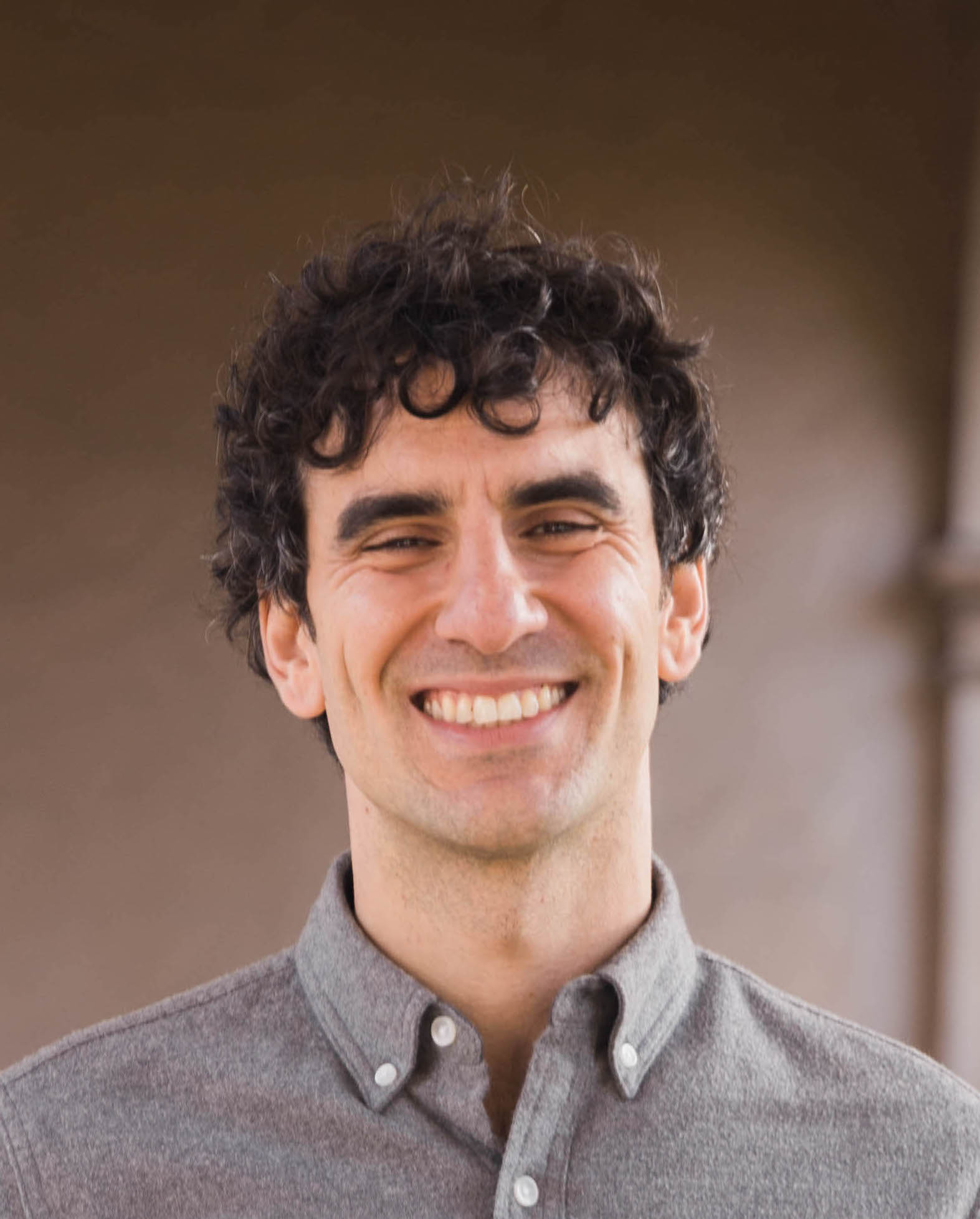
Dr. Shirag Shemmassian is the Founder of Shemmassian Academic Consulting and one of the world's foremost experts on medical school admissions. For over 20 years, he and his team have helped thousands of students get into medical school using his exclusive approach.