How Many Volunteer Hours Do You Need for Medical School?
Learn how many volunteer hours premed students need to be competitive for medical school, breaking down clinical versus non-clinical requirements, what types of experiences matter most, and more.
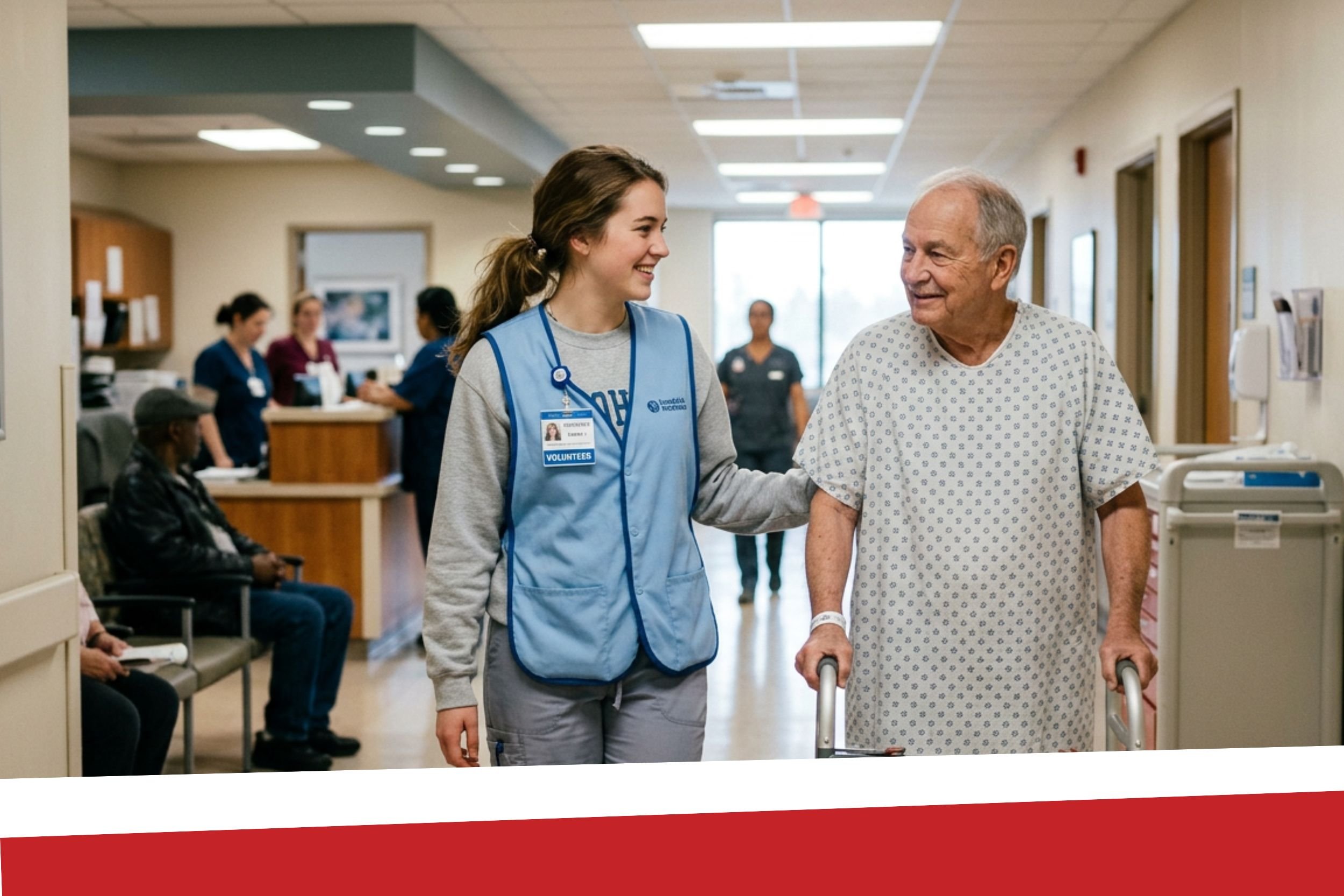
Learning what makes up quality volunteer hours will help you get into medical school.
How many volunteer hours are competitive
Types of experience that matter most
Clinical vs non-clinical volunteering
When to start
Finding high-quality opportunities
What medical schools are looking for
FAQs
Volunteering: one of those things that every premed knows they need, but that can feel confusing.
How many hours are enough? Does it matter where you volunteer? Is clinical volunteering more important than community service? How will volunteering tie into my medical career? What kind of volunteering do medical school admissions committees actually want to see?
Here’s the short answer: there’s no official minimum number of volunteer hours required for medical school. However, that doesn't mean the question isn’t important. Competitive applicants don’t merely log hours; they build a consistent, meaningful record of service that shows genuine commitment to others, which is exactly what admissions committees are looking for.
In this guide, we'll walk you through how many volunteer hours are actually competitive, which types of experiences carry the most weight, how to think about clinical versus non-clinical volunteering, when to start, how to find strong opportunities, and what medical schools are actually evaluating when they review this part of your application.
Want expert guidance on medical school admissions?
Enter your name and email for weekly advice plus our free 102-page guide to help you with every step: Get Into Medical School: 6 Practical Lessons to Stand Out and Earn Your White Coat
----
How many volunteer hours are competitive?
While no universal minimum exists, there are broadly accepted ranges that reflect what competitive applicants typically bring to the table.
| Applicant Level | Clinical Volunteer Hours | Non-Clinical Volunteer Hours |
|---|---|---|
| Baseline/Minimum | 50-100 hours | 30-50 hours |
| Competitive | 100-150 hours | 50-100 hours |
| Highly Competitive | 150+ hours | 100+ hours |
A few important caveats
These numbers can vary significantly by school.
Some programs—especially those with a strong primary care or community health mission—place more emphasis on service than research-focused programs do. Check the mission statements and class profiles of schools on your list to calibrate your expectations accordingly.
Hours are not the whole story
A student with 80 hours of sustained, meaningful direct patient care volunteering over two years will often look more impressive to an admissions committee than a student with 300 hours cobbled together from a dozen short-term activities.
Quality and consistency matter more than raw totals
Admissions committees read your application, not just your numbers. They want to understand what you did, why you did it, and what it meant to you.
----
Types of experience that matter most
It’s important to remember (as we’ll say over and over again) that not all volunteer experiences carry equal weight. Here are the types of opportunities that tend to make the strongest impression on admissions committees, and why.
Long-term commitments over one-off events
A student who volunteered every week at a free clinic for two years tells a very different story from one who attended a handful of health fairs over the same period. Sustained involvement signals reliability, genuine care, and the kind of follow-through that medicine demands.
Experiences with direct patient or community contact
The more your volunteering puts you in direct contact with the people you’re serving–whether that's patients, underserved community members, or vulnerable populations–the more meaningful it tends to be. This applies to both clinical and non-clinical settings.
Roles where your contribution grew over time
If you started as a basic volunteer and eventually took on more responsibility–leading activities, training new volunteers, coordinating logistics–that progression reflects initiative and leadership. It also gives you richer material to discuss in your personal statement and interviews.
Experiences that connect to your “why”
Volunteering that ties meaningfully to your authentic motivation for medicine is always stronger than volunteering that looks like it was chosen for its optics. If your passion is health equity, volunteer with a community health organization. If it’s pediatrics, find roles that put you around kids.
----
Clinical vs non-clinical volunteering
One of the most common questions premeds ask is whether hands-on experience with clinical volunteering is more important than non-clinical experience. The honest answer is that both matter, but in different ways.
Clinical volunteering puts you directly inside healthcare systems. This means working with patients alongside healthcare professionals in settings such as hospitals, free clinics, nursing homes, hospice care, urgent care centers, and other healthcare environments. This type of experience serves two specific purposes. First, it demonstrates that you understand what medicine actually looks like from the inside. Second, and following the first, it shows that your decision to pursue medicine is informed rather than idealized.
Examples of clinical volunteering include:
Volunteering in a hospital emergency department or working as an EMT
Working as a medical assistant, assisting at a free or federally qualified health clinic
Working in hospice or palliative care
Volunteering in a nursing home or rehabilitation facility
Serving as a patient navigator or health educator
Non-clinical volunteering takes place outside the direct healthcare setting but still reflects a commitment to serving others and supporting community wellbeing and public health. Medical schools value non-clinical volunteering because they want to train physicians who are actually connected to the communities they serve.
Examples of non-clinical volunteering include:
Tutoring or mentoring underserved youth
Volunteering at food banks, shelters, community centers, or nonprofits
Organizing or participating in community health outreach events
Serving with organizations addressing social determinants of health
Disaster relief or humanitarian work
Admissions committees want to see a combination of both clinical and non-clinical volunteering. There’s no exact ratio to hit in relation to these types of volunteering, but keep in mind that applicants who only have clinical volunteering can come across as narrowly focused. In contrast, those who only have non-clinical volunteering may raise questions about their clinical readiness.
When in doubt, prioritize clinical volunteering first (especially if you’re still building that foundation), and layer in non-clinical service alongside it.
----
When to start
As with most components of your medical school application, the earlier you start, the better.
Consistency requires time
The most compelling volunteer records reflect sustained involvement over months or years, not a concentrated sprint the summer before applying. If you wait until junior year to start your process to join the medical field, you’re limiting the depth and longevity of your experiences before application season.
High school counts (sometimes)
Significant volunteer work done in high school can be included on your medical school application, particularly if it was meaningful, sustained, and directly relevant to your path. A multi-year commitment to a free clinic or community health program is worth including, regardless of when it started. Brief or incidental high school service is generally less worth noting.
The ideal timeline
Most successful applicants begin building their volunteer record in their first or second year of undergrad, with at least one or two long-term commitments that carry them through the application cycle. If you’re a rising sophomore or junior and have yet to begin volunteering, the time is now.
If you’re applying soon and your hours feel thin
Prioritize finding one or two high-quality opportunities rather than trying to rapidly accumulate hours across many activities. Remember, when it comes to volunteering, quality matters more than quantity. Adcoms can tell the difference between someone who has genuinely engaged and someone who is padding their resume. An honest, reflective account of fewer hours will serve you better than an inflated list of superficial ones.
----
Finding high-quality opportunities
When it comes to logging the right kind of volunteering hours, knowing where to look is half the battle. Below, we’ve provided a few reliable ways to find strong volunteer opportunities.
Your university’s pre-health or pre-med advising office
This should be every premed student’s first stop. Advisors typically maintain relationships with local hospitals, clinics, and community organizations and can connect you with vetted, student-friendly volunteer programs. Several universities have formal partnerships with nearby healthcare institutions, making the application process straightforward.
Local hospitals and health systems
Most major hospitals have a volunteer services department. Visit their website or call directly to inquire about open volunteer roles. Emergency departments, oncology wards, pediatric units, and patient navigation programs are particularly strong options for premed students to gain meaningful experiences.
Federally Qualified Health Centers (FQHCs) and free clinics
These community-based clinics serve underinsured and uninsured populations and often welcome premed volunteers. They also offer rich exposure to health disparities and primary care–experiences that can strengthen your personal statement.
National service programs
Programs like AmeriCorps, Health Corps, and the National Health Service Corps offer structured, meaningful service opportunities, several of which can be pursued part-time alongside your coursework.
Student organizations on campus
Many pre-med clubs, global health organizations, and service fraternities run their own volunteer programs or have existing relationships with community partners. Getting involved early in a student-run clinic is one of the best ways to build both clinical experience, competency, and leadership simultaneously.
Online volunteer databases
Sites like VolunteerMatch, Idealist, and your local United Way can help you locate non-clinical opportunities in your area. These are particularly useful for finding community-based organizations that align with your specific interests.
When evaluating any opportunity, ask yourself three questions:
Will I be in direct contact with the people I'm serving?
Can I commit to this consistently over time?
Will this experience give me something meaningful to reflect on?
If the answer to all three is yes, it’s worth pursuing.
----
What medical schools are looking for
When an admissions committee reviews your volunteer experience, they’re not auditing your hours. Instead, they’re asking a deeper set of questions, both about your application and you as an overall candidate.
Sustained involvement in one or two activities is far more telling than a long list of one-time events. Such involvement shows that you follow through, form real relationships, understand the importance of teamwork, and have genuine motivation to serve, not performative motivation.
Admissions readers are experienced at distinguishing between applicants who volunteered because they cared and applicants who volunteered because they felt like they had to. How much an experience meant to you comes through in how you write and speak about your experiences across your application materials, especially in your personal statement and Work and Activities.
The strongest applications show what the student learned, rather than simply logging time spent in a specific vocation. What did your volunteering teach you about patient care, community health, mental health, or your own motivations? How did it change or reinforce your understanding of medicine?
Admissions committees value self-awareness and intellectual honesty. A student who struggled with a volunteer experience and grew from it is often more compelling than one who had a smooth, unchallenging run.
Medicine is a profession built on service, compassion, and accountability to others. Your volunteer record is evidence of whether those values show up in how you actually spend your time, not merely a reflection of what you say in your essays. Schools want to train physicians who will serve their communities for decades. They’re looking for applicants who have already begun that service.
A number of our students get into Albert Einstein College of Medicine each year. Want to learn how?
Get our free 102-page guide to help you with every step: Get Into Medical School: 6 Practical Lessons to Stand Out and Earn Your White Coat
----
Frequently asked questions
How can you track your volunteer hours for medical school applications?
Keep a running log as you go. Do not rely on memory alone. A simple spreadsheet works well. Track the organization name, your role, the dates of service, the number of hours per session, and a running total. Many volunteer programs also offer official letters or documentation of your hours at the end of your tenure; request these proactively, since you’ll likely need them for your application or for a letters of recommendation reference.
It’s also worth keeping brief notes on particularly meaningful moments or experiences. These will be invaluable when you’re drafting your personal statement or work and activities, and trying to recall specific details months or years later.
How do medical schools verify volunteer hours?
Medical schools generally do not independently audit volunteer hours, meaning they operate on trust and rely on the information you self-report. However, some schools may ask for a letter or documentation from your volunteer supervisor, particularly if your experiences are unusual or if questions arise during the verification process.
More importantly, you should be prepared to speak in detail about any experience you list during an interview: what you did, what you learned, how long you were involved, and why it mattered. Interviewers will notice quickly if your verbal recollection doesn’t match the depth of involvement you claimed.
How can you balance volunteering with pre-med studies?
Consistency doesn’t require large blocks of time. Even four to six hours per month, sustained over two or three years, adds up to a meaningful record of service. Such a record is also far more sustainable alongside a rigorous premed curriculum than trying to cram volunteering into a single semester. Choose one or two commitments you genuinely care about, schedule them like a class, and protect that time.
However, if your academics are suffering due to your extracurricular commitments, prioritize your GPA. A competitive GPA opens doors that no number of volunteer hours can. For more on managing your premed workload effectively, see our premed study tips.
How many extracurricular hours do you need for medical school?
Volunteer hours are just one component of the broader extracurricular picture. Competitive applicants also typically have clinical shadowing hours, research experience, leadership roles, and other meaningful activities documented in their work and activities.
Across all extracurriculars, most competitive applicants have logged several hundred hours of total meaningful activity. But as we keep saying, depth and quality matter more than totals.
Final thoughts
Volunteer hours provide one of the clearest windows an admissions committee has into who you are as a person, beyond your life as a premed student. Your GPA and MCAT score tell them whether you can handle the academic rigor of medical school. Your volunteer record tells them whether you’re the kind of person medicine needs.
Again, the goal is not to hit a certain number. You need to build a genuine, sustained record of service that reflects your values and commitment to others, and then be able to speak about those experiences honestly and with depth.
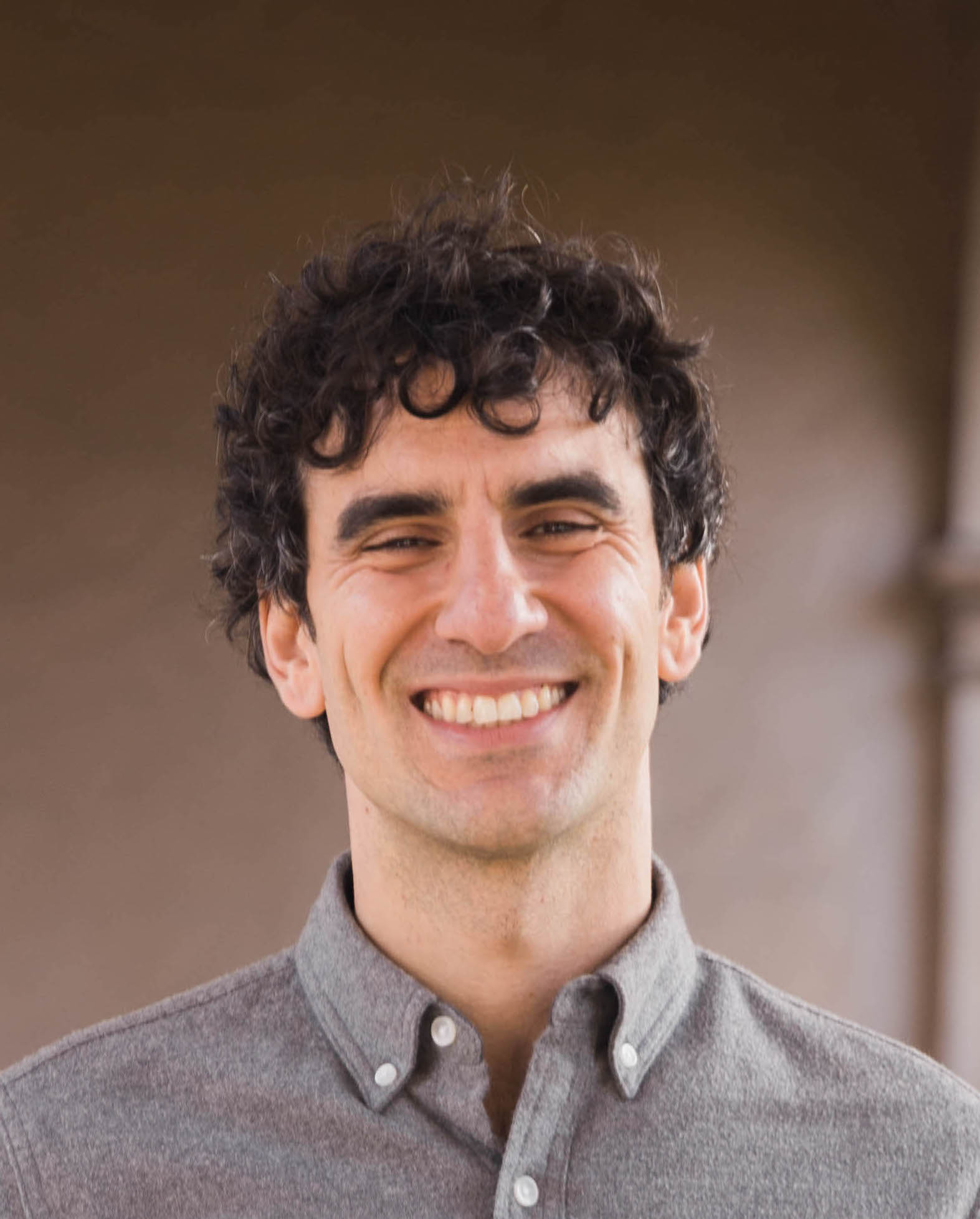
About the Author
Dr. Shirag Shemmassian is the Founder of Shemmassian Academic Consulting and one of the world's foremost experts on medical school admissions. For over 20 years, he and his team have helped thousands of students get into medical school using his exclusive approach.
If you’re looking for personalized guidance on how to build and present your volunteer experience—or how to position every part of your application for maximum impact—we’re here to help. Schedule your complimentary consultation today.