Learn Sidney Kimmel Medical College’s requirements, acceptance rate, average GPA, and admissions strategies plus secondary essay examples

Everything you need to know to get into Sidney Kimmel Medical College

What You'll Learn
Curriculum Design
How Sidney Kimmel Medical College integrates foundational health sciences, clinical skills training, and scholarly inquiry into its three-phase curriculum.
Academic Metrics & Class Profiles
General expectations for applicant academic preparation, competitive GPA and MCAT score benchmarks, and overall admissions selectivity trends.
Prerequisite Recommendations & Rules
Competency-based coursework guidelines across the sciences, math, and humanities, along with laboratory requirements and MCAT score validity windows.
Specialized Scholarly Tracks
Overview of distinct educational pathways, dual-degree opportunities, and clinical scholarly concentration options available to students.
Application Timeline & Deadlines
Crucial milestones across the admissions cycle, from primary AMCAS filing and secondary turnaround timing through interview cycles and decision release schedules.
Secondary Essay Writing Strategies
Tactical approaches for addressing SKMC supplemental essay prompts by demonstrating alignment with school values, personal growth, resilience, and community orientation.
Interview Day & Evaluation Criteria
Key details regarding the SKMC interview structure and what evaluators look for when assessing candidate communication skills, ethics, and professional readiness.
Introduction to Sidney Kimmel Medical College
Sidney Kimmel Medical College MD programs
How hard is it to get into Sidney Kimmel Medical College?
Sidney Kimmel Medical College secondary application essays (examples included)
How are Sidney Kimmel Medical College applications evaluated?
Sidney Kimmel Medical College interview
----
Introduction to Sidney Kimmel Medical College
Founded in 1824, Sidney Kimmel Medical College (SKMC) at Thomas Jefferson University is one of the oldest medical schools in the country. Located in historic Philadelphia, SKMC is known for its strong clinical training, extensive research opportunities, and its unique educational approach.
A hallmark of SKMC is its “Threads” curriculum, which integrates scholarly inquiry into all four years of study. If you’re looking for a school where you can pursue independent projects or contribute to ongoing investigations across a wide range of fields from oncology to neuroscience, SKMC has you covered.
SKMC attracts thousands of applicants each year. In fact, roughly 20-25% of all US medical school applicants add SKMC to their schools list. With so many students vying for a limited number of seats, it’s understandable if you’re wondering whether you have what it takes to stand out. While the admissions process is highly competitive, students who understand what the school values and prepare a strategic application can position themselves for success.
In this guide, we’ll break down what it takes to get into Sidney Kimmel Medical College. We’ll cover specific programs, admissions data, application requirements, and what SKMC looks for in successful applicants. We’ll also share expert insights on approaching the secondary application, including a sample response and analysis to help you strengthen your own essays.
----
Sidney Kimmel Medical College MD programs
Before getting down to the numbers, it is important to explore the different program offerings at Sidney Kimmel. SKMC has a unique curriculum for its MD program that consists of 3 phases: fundamental and clinical science, clinical clerkships, and differentiation. A scholarly inquiry project is a required component of the program, allowing students to engage in research and broaden their skills in critical analysis.
Sidney Kimmel also offers several alternative pathways to earn an MD, including:
Dual MD/PhD program: As an MD/PhD student, you’ll take courses at both Sidney Kimmel and the Jefferson College of Life Sciences. This research-heavy option prepares students for a career as physician-scientists, investigating the causes of and potential treatments for a wide range of diseases and health conditions. The research portion of the degree is supervised by a thesis advisor, a faculty member in one of the PhD programs in life sciences.
Joint MD/MBA-MHA program: This five-year program is offered in conjunction with Widener University and is meant to prepare students for the world of delivering modern medicine with a thorough understanding of the administrative needs brought about by economic changes in the field.
Dual MD/MPH program: If you’re particularly interested in making a difference with underserved populations, the MD/MPH path may be the one for you. The MPH (master’s in public health) side of the curriculum will grant you specialized training in policy-making and implementation. This allows physicians to direct and assist public health initiatives and even work for NGOs.
SKMC tuition and scholarships
As you might expect, attending Sidney Kimmel Medical College requires a significant financial investment. Tuition for the MD program at SKMC for the 2026-2027 academic year comes to $71,963, and the total estimated cost of attendance—including fees, housing, food, transportation, and personal expenses—approaches $100,000 for first-year students.
Fortunately, many students are able to offset these costs through a combination of financial aid and scholarshis. SKMC offers a number of scholarship opportunities, including need-based awards and donor-funded scholarships for students who meet specific eligibly criteria. Applicants interested in financial assistance should complete the FAFSA and review SKMC’s current scholarship offerings.
Over 90% of our students get into med school—the first time.
Get our free 102-page guide to help you with every step: Get Into Medical School: 6 Practical Lessons to Stand Out and Earn Your White Coat
----
How hard is it to get into Sidney Kimmel Medical College?
Fewer than 4% of applicants were offered admission in the 2026—2027 cycle and while this number may appear low, it is important to note that the majority of medical schools hover at an acceptance rate between 3-5%.
One advantage for applicants outside Pennsylvania is that SKMC does not heavily favor in-state residents, unlike many public medical schools in states such as California or Texas.
Academically, successful applicants tend to have strong metrics. The 2025 entering class reported an average GPA of 3.8 and an average MCAT score of 513, reflecting the high academic standards expected of admitted students.
While these numbers can help gauge your competitiveness, they should not be viewed as strict cutoffs. There are students who were accepted with stats both higher and lower than these numbers, so if your scores are not quite as robust as these, you may still be able to submit a strong application if you have solid extracurriculars and clinical or volunteering experience.
(Suggested reading: Average GPA and MCAT Score for Every Medical School)
SKMC admissions requirements
SKMC has a list of academic requirements that must be completed before your expected matriculation date, and if you’re applying after taking a gap year (or several), these requirements should be completed within five years of your application submission. While the institution does not provide a strict, regimented list of courses applicants must take, they do provide information about subjects that they expect their applicants to have knowledge of. Broadly, these subjects are in line with most medical schools. It’s safe to say that courses taken in biology, general chemistry, organic chemistry, and physics are required. We’ve found that most premed requirements list a year of these courses including an associated lab.
In addition to what’s listed above, SKMC also encourages applicants to take either honors, independent study, or research courses for scholarly experiences. Although, it should be noted that they encourage supplementing any advanced placement courses with additional courses in similar subjects since typically, schools do not accept AP credits in lieu of their regular prerequisites. Furthermore, they state that taking upper level science courses, while good for your own knowledge and exposure to subjects you’ll study in medical school, will not affect their admissions decision.
Beyond these requirements, SKMC also wants its students to possess a comprehensive education and lists humanities, social and behavioral sciences, as well as writing in their list of subjects they would like to see on an application.
(Suggested reading: Medical School Requirements: The Definitive Guide)
Academic coursework is not all that SKMC looks at. In fact, they have provided a list of selection factors that they use to evaluate a student’s candidacy. Among these factors are:
Performance in non-academic areas
Out of classroom experiences
Community work
Medical activities
In addition, SKMC evaluates a host of personal qualities in all its candidates such as:
Motivation
Leadership potential
Maturity
Intellect
Humanitarian concerns
Compassion
Ability to communicate
Dedication
Integrity
Commitment
Given that we know the average GPA and MCAT scores of accepted students are quite high, we can infer that most applicants with a good chance of acceptance will have similarly high scores. If your scores hover around those averages, how can you stand out from the pack?
The best way to distinguish yourself is through the activities and personal qualities listed above. Integrating these and making sure they come across in your application is essential to your success getting into SKMC.
Having a solid list of extracurricular activities is one way to achieve this. For example, almost every applicant who is extended an interview at SKMC has demonstrated their commitment to community service with volunteer work on their application. This provides an opportunity to showcase your humanity, compassion, leadership potential, integrity, and commitment to service. These are exactly the kinds of traits Sidney Kimmel looks for in applicants. Therefore, to be successful, you should engage in extracurriculars that not only speak to your interests but also your character.
Suggested reading: (How to Choose the Right Extracurricular Activities for Medical School)
Letters of recommendation
SKMC prefers that you provide a recommendation from your undergraduate institution’s pre-professional or pre-health committee. However, if your school does not have one, they require letters of recommendation from individual faculty members. They are particularly seeking letters from your Biology, Chemistry, Physics, and Humanities professors.
If your letter writers can highlight any of the attributes listed in the above section (ideally with concrete examples), it could give you the boost you need to earn an interview.
(Suggested reading: Medical School Letters of Recommendation: The Definitive Guide)
SKMC application timeline
In this section, we’ll give a brief overview of the application timeline at Sidney Kimmel Medical College. As with most American medical schools, SKMC uses AMCAS for its application process.
May 5, 2026: AMCAS application opens
May 28, 2026: first day AMCAS application can be submitted
August 1, 2026: Early Decision deadline
October 1, 2026: Early Decision applicants receive a decision by this date
October 15, 2026: MD/PhD Program deadline
November 15, 2026: MD program deadline
January 1, 2027: All supporting application documents due
May 1, 2027: Deadline for deferral requests
Interview invitations are sent out mid July and are held on Wednesdays, September through March. Like most medical schools, Sidney Kimmel adheres to a rolling admissions process, meaning it’s important to get your application in early. Doing so means you will be competing against fewer candidates for more seats and will be more likely to be offered an interview.
(Suggested reading: The Ideal Medical School Application Timeline)
----
Sidney Kimmel Medical College secondary application essays (examples included)
Once you have submitted your AMCAS application, you will receive an email from SKMC to complete their secondary application. This application asks for additional information about you and requires you to respond essay prompts specific to SKMC. In this component of your application, it is important to highlight the aspects of yourself that make you unique. Highlighting your personal qualities and connecting them to SKMC’s mission can go a long way toward helping you stand out.
Below, we’ll dive into the Sidney Kimmel Medical College secondary prompts, provide an example response, and explanation of why it works.
Question 1: Have you previously applied to Sidney Kimmel Medical College? Yes/No
Question 2: Do you have a parent who received a M.D. degree from Jefferson Medical College or completed residency (postgraduate) or fellowship training at Jefferson? Yes/No
Question 3: Are either of your parents members of the Jefferson Faculty? Yes/No
Question 4: Do you have a spouse who has graduated or is currently attending Sidney Kimmel Medical College? Yes/No
Question 5: Do you have a sibling who has graduated or is currently attending Sidney Kimmel Medical College? Yes/No
Question 6: Check if you are applying to one of the Educational programs below:
Physician Shortage Area Program (for applicants from rural areas who plan rural practice)
DIMER Program (for Delaware residents only)
MD/MPH Dual Degree
Jeff BEACON (Jefferson Bringing Equity and Care for Our Neighborhoods)
Question 7: Have you ever been convicted of a crime other than a minor traffic or parking violation? Yes/No
Question 8: If invited for interview day where will you be traveling from?
Question 9: Sidney Kimmel Medical College defines diversity as the richness in human differences. How will your own experiences allow you to contribute to the diversity of the student body and to provide equitable and inclusive care to your future patients? (2500 characters)
The “diversity essay” is an extremely common essay type used by medical schools, but SKMC takes the prompt a step further by asking how your experiences will shape both your contributions to the medical school community and your ability to provide equitable, inclusive care as a physician.
As you reflect on how to approach a prompt like this, remember that diversity encompasses far more than race, ethnicity, or socioeconomic background. Your experiences, perspectives, identities, interests, challenges, and life circumstances can all contribute to the richness of a medical school class. The strongest essays focus not only on what makes you unique, but also on how those experiences have shaped your understanding of others.
This particular prompt is asking how your individual experiences will inform and influence your dedication to service and how you will care for patients from a wide range of backgrounds. Consider discussing experiences that exposed you to underserved communities, challenged your assumptions, or taught you to communicate effectively with people whose experiences differ from your own. Clinical, volunteer, community service, research, and personal experiences can all provide strong material for this essay if you clearly connect them to your future practice of medicine.
Here is an example of an effective response to this question:
I was born and raised in Mumbai, spending the first twelve years of my life in the city before my parents immigrated our family to Boston in 2014. Although the move was exciting, and although my parents convinced my two younger sisters and I that America would be “the place of our dreams,” the actual experience of assimilating into American culture was incredibly difficult. I had attended schools with only Indian classmates up until that point, and I suddenly felt like an alien at the predominantly white east Boston High School. Nevertheless, my mother encouraged me to be brave and outspoken, and in class I made an effort to answer the teacher’s questions. But because of my tendency to speak up in class, I was sometimes bullied for my accent. A group of white classmates would mock me in the hallways by imitating my voice, and I gravitated toward Indian classmates, craving the familiarity of people who understood my culture. Nevertheless, as I slowly became acclimated to the new environment, I began to realize that the fear driving white students to call me names was the same fear that prevented me from making friends outside of my own circle. I realized that, even though I was judging my Indian classmates positively, I was still judging them, and based on external factors—their accents, their skin color, even their surnames—exactly the same qualifications that the bullies used to “other” me. It was only by breaking free from the bubble of my friend group that I was able to truly enrich my own perspective through interacting with other classmates. Some of the closest friends I made in high school were from entirely different cultures, and introduced new and unexpected perspectives into my life. I am in complete agreement with SKMC that diversity is a richness in human differences. Learning to see those differences, both internal and external, as positive, was a crucial turning point for me. I applied this lesson to my work as a medical assistant at the East Boston Neighborhood Health Center, which aids many underserved patient populations in the east Boston area. Because of my own experiences, I know that each patient has a genuinely unique background and perspective. Learning to understand, empathize, and validate novel perspectives is part of the responsibility of being a healthcare provider, and I am eager to enrich the Sidney Kimmel community, not only with my own unique experience, but through embracing the authentic uniqueness of others.
What makes this an effective response?
This essay expertly weaves together the challenges of integrating into a new society and culture with the idea that these individuals who created challenges for the author were motivated by the same fears as the author. This insight leads to a meaningful reflection on the dangers of “othering” and demonstrates a nuanced understanding of Sidney Kimmel’s concept of the “richness in human differences.”
The student goes on to relate their personal, first-hand experience of diversity with what they’ve learned as a clinical volunteer. By drawing on their experience volunteering with underserved patients in Boston, the student connects their own experiences to Sidney Kimmel’s ideals about inclusive care.
Question 10: Do you have any additional information that hasn’t been covered? (4000 characters)

----
How are Sidney Kimmel Medical College applications evaluated?
You’ve dedicated years to building the key components of your medical school application, not to mention spending weeks or even months crafting your application materials. You’ve worked hard to highlight all your strengths and distill them into the limited space available. Naturally, you want to know whether the admissions committee will see the applicant you worked so hard to present.
Once all your application materials have been sent in, and every last requirement is completed, your application will be reviewed by the admissions committee. Everything will be checked together as they decide whether or not to extend you an interview. It is important to remember that there is no specific checklist the committee uses—it’s an entirely holistic process.
If you make it past the interview stage, your application is reviewed again along with your interview performance. You’re then compared with your fellow applicants and ranked on a list. At the end of the review period, those with higher rankings are offered admission and those falling slightly lower are offered a position on the waitlist which is constantly reevaluated and re-ranked until the end of the cycle.
Becoming a holistically–aligned applicant
Aside from the particulars about how your application is evaluated at SKMC, it will be viewed holistically overall. Sidney Kimmel Medical College seeks well-rounded, compassionate individuals who show initiative and dedication. Your extracurricular activities and experiences should offer unique ways to stand out and align with their values. Below, we’ve listed some general ideas to get you thinking about which activities to engage in.
Community service: Demonstrate a commitment to helping others, particularly those in underserved communities. This aligns with Sidney Kimmel's mission to create a healthier world for all. Consider volunteering at free clinics or hospitals, or participating in health outreach programs.
Research: Involvement in research, regardless of the specific field, indicates intellectual curiosity and an aptitude for problem-solving – both valued at SKMC as well as in medicine generally. Seek out research assistant positions in labs or apply for a summer undergraduate research program such as the one at the National Institutes of Health. Many undergraduate institutions also have their own summer research programs, so be sure to check with your school.
Clinical shadowing: You’re probably aware you will need to gain some shadowing experience to have a shot at getting into medical school. Shadowing physicians directly connects you with the medical field. You could seek opportunities that allow you to observe certain specialties. This not only shows commitment but also helps you clarify your own medical interests on your application. For example, with SKMC’s dedication to serving the disadvantaged, you might try to shadow a primary care physician who often cares for such patients.
Unique traits/experiences: SKMC will also be looking for what you will add to their campus community. Don't be afraid to showcase activities that reflect your interests and passions. Perhaps you learned a new language that could help serve a specific patient population, or have a background in the arts that promotes creative thinking. Diverse experiences enrich your perspective as a future physician.
----
Sidney Kimmel Medical College Interview
The interview at SKMC allows the committee to verify and clarify information that you listed on your application, gain information about the unique parts of your application, and assess your personal qualities.
Interviews at SKMC are held on campus and employ a traditional open file format in which you’ll speak with a faculty member of the Committee on Admissions. Be prepared to spend a full day on campus. In addition to your interview, you’ll have opportunities to meet current students, faculty members, as well as both the Dean of Admissions and Director of Admissions.
Most importantly, you’ll want to prepare yourself for the interview itself. Doing that requires a little forethought and planning, especially when it comes to your responses to questions. We’ve found that a number of questions have been commonly asked by SKMC interviewers recently.
Tell me about what you did for research.
Why did you attend X school for undergrad?
What would you do for fun in Philadelphia?
Do you have any questions for me?
Tell me about yourself.
What are your plans for this year?
Twenty years from now, how do you want to be known/remembered?
What books have you been reading lately?
What attracts you to SKMC?
A few of these questions are standard for many schools’ interviews, but how would you respond to “Do you have any questions for me?” Many applicants treat this as a formality, but adcoms often view it as an opportunity to gauge your interest in the school. Thoughtful questions demonstrate that you’ve researched SKMC and have considered how its programs, curriculum, and opportunities align with your goals.
After your interview, the adcom will consider your interview performance alongside the rest of your application when making a final decision about your candidacy.
(Suggested reading: How to Ace Your Medical School Interviews)
What to do after your interview at Sidney Kimmel
The handshakes conclude, the campus tour ends, and you find yourself in that peculiar space between interview and decision. You’ll probably soon be asking yourself, “What should I do now?”
For the better part of a year, you’ve been embroiled in the application process—submitting test scores, writing essays, practicing for the interview you just concluded—and now having nothing to do but wait can feel a bit disconcerting.
Sidney Kimmel notes that all applicants will receive a final decision within four to six weeks of their interview, and while this isn’t an enormous amount of time, you may have a few updates to add to your application that could keep you in the forefront of the admissions committee’s mind.
How to communicate with Sidney Kimmel after your interview
Sidney Kimmel takes a straightforward approach to application-related communications. All correspondence concerning your application should be sent to their admissions email address with "Attention: Committee on Admissions" in the subject line. If you prefer speaking with someone directly, you can call their office, but email usually provides the clearest paper trail for important updates.
They also request that you include your AMCAS ID number with any correspondence and that, if you are attaching documents to your email, to combine those documents into one file.
Sending update letters to Sidney Kimmel Medical College
Speaking of sending updates, there are typically two types of update letters that medical schools receive post-interview, namely letters of intent and letters of interest. Knowing which one to send depends on how you feel about attending Sidney Kimmel and what kind of updates you have to share.
A letter of intent should be thought of as a clearer commitment of your intention to attend if accepted. Essentially, you’re saying that Sidney Kimmel is your first choice, and if they offer you acceptance, you will matriculate.
A letter of interest is where you keep your options slightly open. You’re reminding Sidney Kimmel’s admissions committee that you’re quite enthusiastic about attending, even if you’re still considering other schools. Letters of interest can work quite well when sharing updates that could improve your standing as a candidate.
It’s certainly possible to share updates with either type of letter. The difference comes down to the letter’s overall theme. However, you’ll want to be careful about which updates you choose to share. Remember that the admissions committee has hundreds of applications to evaluate, so wasting their time with irrelevant or routine updates will not win you any points.
If you have any academic achievements that speak to your continued excellence, this may warrant a mention. Perhaps you've completed an honors thesis related to healthcare disparities in Philadelphia communities, or earned some kind of recognition in your final semester. When sharing such updates, connect them explicitly to SKMC's mission and values rather than simply listing accomplishments. If you tie it all back to SKMC, you’re communicating what you’ll bring to their community and exactly why you’re a great fit for their program.
Suggested reading: (How to Write a Great Medical School Letter of Intent or Letter of Interest (Example Included))
Final thoughts
Sideny Kimmel Medical College is a highly desirable school rich in history, with an innovative curriculum and a stellar reputation for research. Its central location in urban Philadelphia affords students opportunities they wouldn’t get elsewhere. However, you’ll need to go above and beyond mere academic scores to truly shine on your application and wow adcoms. With hard work and dedication, an acceptance letter from Sidney Kimmel can be yours and, in time, the privilege of wearing a white coat.
About the Author
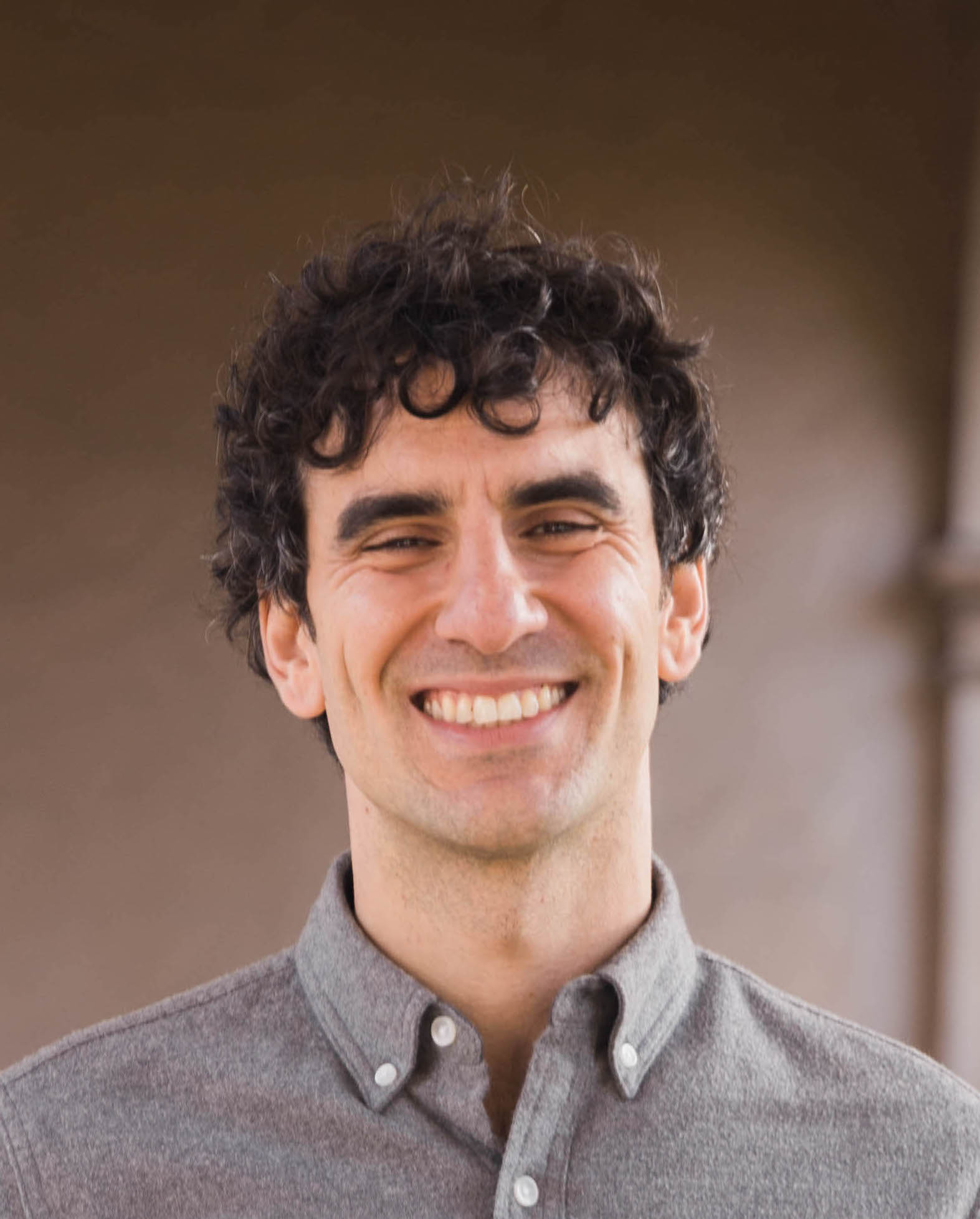
Dr. Shirag Shemmassian is the Founder of Shemmassian Academic Consulting and one of the world's foremost experts on medical school admissions. For over 20 years, he and his team have helped thousands of students get into medical school using his exclusive approach.



THERE'S NO REASON TO STRUGGLE THROUGH THE MED SCHOOL ADMISSIONS PROCESS ALONE, ESPECIALLY WITH SO MUCH ON THE LINE. CLICK BELOW TO SCHEDULE YOUR COMPLIMENTARY CONSULTATION TO ENSURE YOU LEAVE NOTHING TO CHANCE.