Everything you need to know to get into Emory Medical School, plus how to approach the Emory secondary application essays (examples included)

Our comprehensive guide to getting into Emory Medical School

What You'll Learn
Emory's Clinical Network & Location
How Emory leverages its teaching hospital network across Atlanta—including Grady Memorial Hospital and the CDC—to provide diverse clinical training, public health exposure, and research opportunities.
Curriculum Structure & Discovery Phase
The layout of Emory's organ-systems curriculum, early clinical skills training, major clerkships, and the required Discovery Phase dedicated to independent research or dual-degree pursuits.
Academic Standards & Selectivity
General profile standards for competitive applicants, academic benchmarks, and overall selectivity trends across the applicant pool.
Prerequisite Coursework & MCAT Rules
Required foundational science courses, recommended interdisciplinary subjects, citizenship/residency policies, and rules regarding valid MCAT test windows.
Application Deadlines & Milestones
Essential timeline guidelines covering primary AMCAS submission, secondary application turnaround windows, interview invitation periods, and acceptance notifications.
Secondary Essay Strategies
Tactical approaches for answering Emory's supplemental prompts by highlighting personal resilience, alignment with Emory's mission, leadership, and contributions to diversity and community health.
Interview Format & Evaluation Criteria
Key insights into Emory's virtual interview structure and what evaluators look for during candidate interviews.
----
What to know when applying to Emory Medical School
Getting into Emory University School of Medicine starts with understanding what makes it distinctive. Emory is the best medical school in Georgia with deep ties to global public health, a mission-driven curriculum, and a training environment unlike anywhere else in the country.
Founded before the Civil War and located in Atlanta, Emory trains physicians to see medicine as a means to address social justice issues and improve the health of both local and global communities. Its partnership with the Centers for Disease Control and Prevention — located just miles from campus — gives students a front-row seat to public health at the highest level. From the first week of classes, students gain clinical exposure through outpatient clinics, community centers, and a week-long immersive shadowing experience called "Week on the Wards." A five-month Discovery Phase midway through clerkships allows students to pursue independent research or expand their training internationally.
Emory stands out among the country's top medical schools for a combination of reasons that go well beyond its rankings. A few things that set it apart:
Mission-driven curriculum — medicine is taught through the lens of social justice, community health, and equity
CDC partnership — Emory's proximity to and collaboration with the CDC creates unmatched public health training opportunities
Early clinical exposure — students begin working with patients from the first week of classes
Discovery Phase — a dedicated five-month period for independent research or international study built directly into the MD curriculum
Atlanta location — a diverse, dynamic city with a robust healthcare ecosystem across multiple affiliated hospitals and clinics
If you're committed to improving healthcare for underserved communities and want to train in an environment that integrates research, policy, and clinical care, Emory belongs on your list, and we’ve all the tips, tricks, and info you need to get started and accepted.
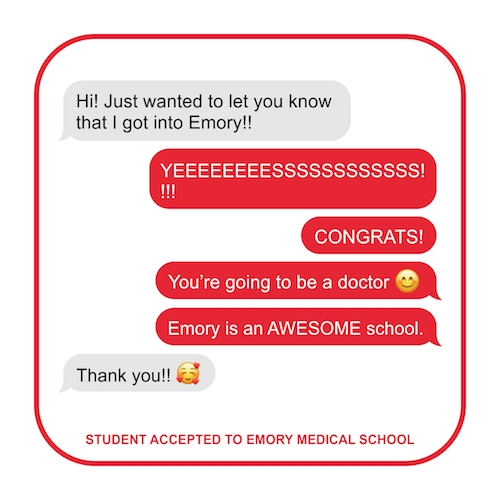
A number of our students get into Emory Medical School each year. Want to learn how?
Get our free 102-page guide to help you with every step: Get Into Medical School: 6 Practical Lessons to Stand Out and Earn Your White Coat
----
Emory Medical School MD programs
There are several options available when it comes to earning your MD at Emory Medical School:
The traditional, four-year MD program
This guide focuses on how to get into Emory’s four-year MD program.
Emory Medical School Tuition and Scholarships
For the 2025–2026 academic year, tuition at Emory Medical School is $60,382 per year — the same for in-state and out-of-state students, as Emory is a private institution. With room, board, transportation, supplies, and other indirect costs, the total estimated cost of attendance is approximately $109,402.
Emory offers nearly 70 institutional scholarships, awarded on the basis of financial need, merit, and community service. Students in the class of 2024 graduated with an average of $182,564 in medical student debt — well below the national average. Notably, the Woodruff Fellowship provides a full-tuition scholarship plus a living stipend for four years. All matriculants are automatically considered; no separate application is required. Only four MD and two MD/PhD students receive it each year.
----
How hard is it to get into Emory Medical School?
Emory Medical School Admissions Statistics
Like any great medical school, getting into Emory is extremely competitive. For the class that began medical school in 2025, Emory received over 12,000 applications for an incoming class of 138 students — an effective acceptance rate of just over 1%. Here are the most current admissions statistics:
Applications: 12,671
Matriculants: 136
Acceptance rate: 1.07%
Average GPA: 3.8
Average MCAT: 515 (approximately the 90th percentile)
(Suggested reading: Average GPA and MCAT Score for Every Medical School)
Emory Medical School Admissions Requirements
To apply to Emory University School of Medicine, you'll need to have completed the following coursework:
Biology: 8 semester hours (with lab)
General chemistry: 8 semester hours (with lab)
Organic chemistry: 8 semester hours (with lab)
Physics: 8 semester hours (with lab)
English: 6 semester hours
Humanities/social sciences: 18 semester hours
Emory strongly recommends additional coursework in biochemistry, calculus, and statistics, and international applicants must complete their science requirements at regionally accredited institutions in the U.S. or Canada.
MCAT requirements for the 2026–2027 cycle:
Emory prescreens all applicants for a minimum MCAT score of 502 with at least a 124 in each of the four subtests. Applicants who score below 502 overall, or below 124 on any subtest, will not receive a supplemental application invitation. If you have retaken the MCAT, only your latest score is used for prescreening. Applicants who have taken the MCAT four or more times will not receive a supplemental application. Emory accepts MCAT scores as far back as four years prior to matriculation — so for Fall 2027, scores must be from no earlier than 2023.
Crucially, one of Emory's core requirements is meaningful experience in a clinical setting, though it need not be paid. Emory looks for students who demonstrate high academic achievement, leadership potential, and a clear motivation to practice medicine. Many applicants use their extracurricular involvements to illustrate these qualities.
(Suggested reading: Medical School Requirements: The Definitive Guide)
Emory Medical School Application Timeline
Emory uses AMCAS and operates on a rolling admissions basis. Submitting your AMCAS application in May and your secondary in June or July significantly improves your chances of an early interview invitation. Here are the key dates and deadlines for the 2026–2027 cycle:
May 2026: AMCAS application opens
August 2026: Interview invitations begin
September 2026 – February 2027: Interviews conducted (virtual)
October 2026 – March 2027: Admissions decisions released
October 15, 2026: AMCAS application deadline
December 1, 2026: Emory supplemental application and letters of recommendation deadline
April 30, 2027: Final decision deadline — applicants may hold only one offer of acceptance
(Suggested reading: The Ideal Medical School Application Timeline)
Over 90% of our students get into med school—the first time.
Get our free 102-page guide to help you with every step: Get Into Medical School: 6 Practical Lessons to Stand Out and Earn Your White Coat
----
Part 4: Emory Medical School secondary application essays (examples included)
After you submit your AMCAS application, you’ll want to start working on your secondary essays for Emory Medical School. You have five questions to answer when completing the secondary application to Emory, and while they’re not overly lengthy, you’ll want to give yourself plenty of time to devote to these statements. Beyond your medical school personal statement, these secondaries are the best opportunity for you to persuade the admissions committee that you belong at Emory specifically as opposed to any other medical school. Every response should connect back to Emory's mission: improving health in local and global communities, addressing health disparities, and training physicians who lead with both clinical excellence and social responsibility.
Question #1: List your entire curriculum plan for the current academic year. If you are not currently in school, please briefly describe your plans for the coming year. (200 words)
If you’re applying as you head into your final year of undergraduate study, all you have to do is list your curriculum. Include your courses and the unit amounts. Organize the classes by semester or trimester, listing them in order of medical relevance. For instance, you should list your med school prerequisites first, followed by any science or health electives, and lastly any miscellaneous major coursework or electives.
This is a good reminder that it matters what you take your senior year of college. The Emory Medical School admissions committee will be more impressed by applicants taking courses related to their career or personal goals—for example, foreign language, health policy, or sociology electives—than by applicants phoning it in with easy courses. Be sure your curriculum plan makes sense with the overall theme of your application and represents who you are as a future physician.
If you’re entering a gap year as you submit your application, you’ll want to describe your plans and clearly articulate the goals you’ve set for yourself during your gap year. Show how the activities you’ve planned for your gap year will empower you to be a better medical student and the ideal candidate for Emory Medical School.
Here’s an example:
The summer after my sophomore year, I attended a study abroad trip to Costa Rica. I quickly fell in love with the country and its friendly, welcoming people. But I was taken aback by the lack of resources available at the rural medical clinic we visited. As soon as the trip ended, I started searching for opportunities to return as a volunteer and improve the health of the communities I had visited. This upcoming year, I have arranged to become a healthcare volunteer for 30 weeks in San Jose, Costa Rica. The majority of my time will be spent working directly with patients—distributing medication, providing intake support, leading healthy living workshops, and offering companionship. I will also participate in week-long vaccination programs reaching nearby underserved areas. I chose to pursue this experience so I can better understand the healthcare obstacles facing global communities and search for solutions that promote public health. I hope to gather relevant information that could be used as the basis for an international research project during my Discovery Phase at Emory. The healthcare and patient experience I plan to gain in Costa Rica will move me closer to my ultimate goal of becoming an internationally-focused physician.
Why it works:
Connects the gap year directly to Emory—the applicant ties their Costa Rica experience explicitly to Emory's Discovery Phase, showing they've done their research and already see themselves in the program
Reflects Emory's mission—community service, global health, and improving access to care are central to Emory's identity; this response hits all three
Shows initiative and specificity—the experience isn't vague volunteerism; it's a structured 30-week commitment with defined roles and a clear purpose
Questions #2: Briefly describe your health-related experiences. Be sure to include important experiences that are in your AMCAS application, as well as any recent experiences. (200 words)
Question #3: Briefly describe your interest in Emory and the Emory degree program you have selected. (200 words)
Question #4: What do you consider to be the role of the physician in the community? (200 words)
Question #5: If you have any updates or new information to report since you have submitted your AMCAS primary application, please briefly describe below. (200 words)

----
Emory Medical School interview
If you are invited to interview at Emory Medical School, be proud — you're among fewer than 10% of applicants who make it to this stage. Approximately 750 applicants are invited to interview between September and February.
All interviews for the 2026–2027 cycle are held virtually via Zoom. The format includes two medical school interviews: a group interview and a one-on-one open-file interview with an Emory faculty member. The group interview is partially blind — interviewers have read your activities and experiences, but not your GPA or MCAT. It's designed to assess how you listen, collaborate, and engage respectfully with others, not just how you perform individually. The one-on-one interview is open-file and runs approximately 30 minutes, going deeper into your personal statement, key activities, and motivations.
Prepare thoroughly — not just for standard interview questions, but for Emory-specific ones. Research the school's affiliated hospitals, faculty research, and community programs. Know the Discovery Phase, the CDC partnership, and what Emory's mission means in practice. Review your own application so you're ready to speak to every experience and personal story you included.
Common interview questions at Emory include:
Tell me something about you that has nothing to do with academics
Tell us about your family and background
Why Emory School of Medicine?
Tell me about yourself
What do you do to relax?
How would your friends describe you?
Did you get a chance to explore Atlanta at all?
What have you been doing in your gap year?
What are you most proud of?
What do you see as the biggest challenge for the next generation of physicians?
Emory's interview questions are notably personal and character-focused. The committee wants to understand who you are outside of your transcript. A well-prepared, thoughtful answer to "How would your friends describe you?" or "What are you most proud of?" will stay with an interviewer far longer than a polished response to a clinical ethics scenario. Throughout every interaction — with students, admissions staff, and fellow interviewees — keep Emory's mission front of mind: reimagining medicine, promoting health, and making a difference.
Updating Emory After Your Interview
Once your interview is complete, Emory accepts application updates through their supplemental portal. There is a specific "Application Update" tab for this purpose — updates sent via email will not be added to your file.
Key policies to know:
Updates only — no letters of interest. Emory does not accept letters of interest. Only substantive updates with meaningful new information will be considered
Letters of intent are appropriate if Emory is genuinely your first choice and you are prepared to withdraw all other applications upon acceptance. Weave your commitment naturally into an update about a meaningful new development rather than submitting a standalone letter
Format constraints: Updates are limited to 1,000 words, must be text-only, and no attachments are permitted
(Suggested reading: How to Write a Great Medical School Letter of Intent or Letter of Interest (Example Included))
----
Frequently asked questions
Does Emory accept international students?
Yes. International and DACA students are welcome to apply, and the admissions process is the same for all applicants. However, applicants whose undergraduate degree is from outside the U.S. must complete all science course requirements at a regionally accredited U.S. or Canadian institution before applying. Foreign citizens are ineligible for U.S. federal financial aid but may qualify for merit-based scholarships.
Does Emory have a minimum GPA requirement?
No. Emory does not prescreen for a minimum GPA. That said, the average GPA for the most recent entering class was 3.8, and the committee expects strong academic performance. An ascending GPA trend is viewed more favorably than a declining one.
What happens if I've taken the MCAT more than three times?
Applicants who have taken the MCAT four or more times will not receive a supplemental application invitation. If you have multiple scores, Emory uses your most recent score — not your highest — for prescreening purposes.
Does Emory prefer Georgia residents?
No. Approximately 75% of matriculants come from out of state, and Emory does not give preference based on residency. Strong candidates from any state are equally competitive.
When should I submit my application to Emory?
As early as possible. Emory operates on rolling admissions, and interview invitations begin going out in August. Submitting your AMCAS application when it opens and completing your secondary in June or July gives you the strongest possible position in the cycle.
What scholarships and financial aid opportunities are available at Emory?
Emory offers nearly 70 scholarships through its Office of Financial Aid, awarded based on eligibility as determined by the FAFSA and CSS PROFILE. No supplemental applications are required for any of them — all accepted students are automatically considered for merit-based awards regardless of citizenship or DACA status.
Robert W. Woodruff Fellowship — Emory's most prestigious scholarship. Six first-year students are selected each year to receive full tuition plus a living stipend for all four years of study. Recipients are evaluated on character, academic achievement, motivation for medicine, leadership, and communication skills. No separate application is required — all students accepted through mid-March are automatically considered.
Dr. G. Keith Pilling Scholarship — a four-year full tuition scholarship awarded once every four years to a student with outstanding academic merit and financial need who is a U.S. citizen.
Nearly 20 merit-based scholarships — awarded through the Office of Financial Aid with no additional application required.
Several community service-based scholarships — awarded to students who demonstrate a sustained commitment to service.
Final thoughts
Applying to Emory Medical School may be daunting considering its ranking and acceptance rate. But attending Emory, learning from leading scientists and doctors, engaging in outstanding clinical opportunities, and further developing your own medical goals will prepare you to be the kind of physician who revolutionizes the fields of medicine and healthcare. By emphasizing what makes you an excellent fit for Emory throughout your secondary essays and in your interview, you’ll make yourself a stand-out candidate and increase your odds of getting into Emory Medical School.
About the Author
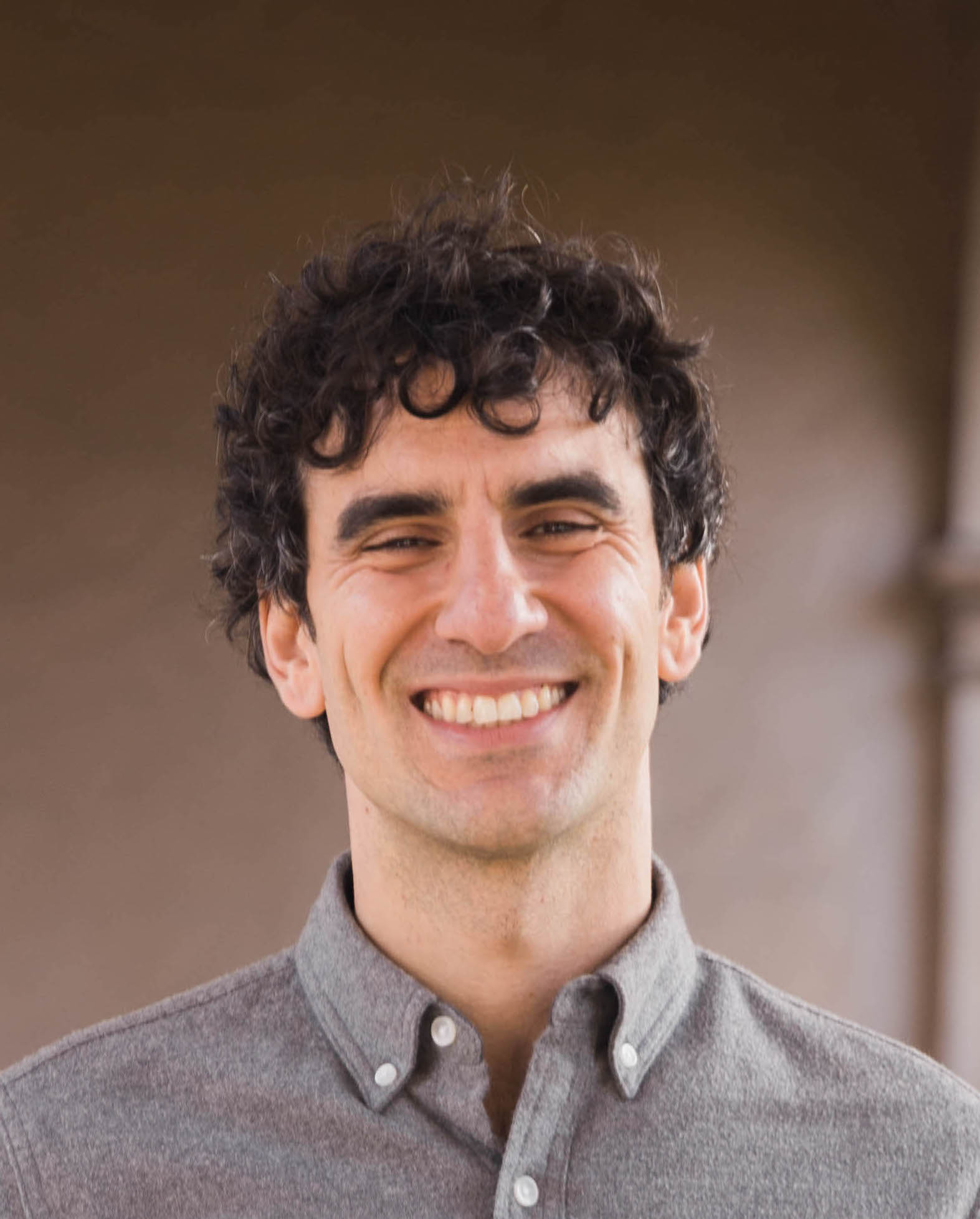
Dr. Shirag Shemmassian is the Founder of Shemmassian Academic Consulting and one of the world's foremost experts on medical school admissions. For over 20 years, he and his team have helped thousands of students get into medical school using his exclusive approach.
THERE'S NO REASON TO STRUGGLE THROUGH THE MED SCHOOL ADMISSIONS PROCESS ALONE, ESPECIALLY WITH SO MUCH ON THE LINE. CLICK BELOW TO SCHEDULE YOUR COMPLIMENTARY CONSULTATION TO ENSURE YOU LEAVE NOTHING TO CHANCE.