This comprehensive guide will help you understand the pros and cons of pursuing an MD/MPH, how a typical program is structured, tips to apply effectively, and the top MD/MPH Programs.

This dual degree program combines an MD (Doctor of Medicine) and an MPH (Master’s in Public Health).

What You'll Learn
MD vs. MD-MPH Impact
Understand the practical benefits of adding an MPH, including expanded career pathways in health policy, epidemiology, and administration.
Standard Program Formats
Explore common dual-degree structures—such as 4-year combined, 5-year gap-year, and post-med school pathways—to pick your timeline.
Application Strategies
Learn when and how to apply for an MD-MPH, whether applying through AMCAS or internally as an enrolled medical student.
Curriculum & Competencies
Discover the core disciplines taught in MPH coursework—including biostatistics, environmental health, and policy—that complement clinicals.
MD-MPH vs. Other Degrees
Compare the training focus, scope, and career outcomes of an MD-MPH against other joint options like MD-PhD, MD-MBA, and MD-MPP.
Funding & Financials
Gain insights into scholarship options, institutional funding, loan repayment programs, and the overall return on investment.
Framing Your Narrative
Master techniques to articulate a cohesive "Why MD-MPH?" narrative across your personal statement, secondaries, and interviews.
What is an MD/MPH program?
Who this dual degree is ideal for
MD/MPH admissions
How to write an MD/MPH secondary essay
Best MD/MPH Programs
Frequently asked questions
Many medical schools offer dual degree programs, allowing you to earn an MD alongside another advanced degree. One that’s commonly paired with an MD (Doctor of Medicine) is the MPH (Master of Public Health).
Because public health is a field that approaches health as a large-scale issue rather than an individual one, the MPH is a natural complement to the MD. By giving you training in fieldwork adjacent to medicine—like epidemiology, biostatistics, public health care administration, and more—an MPH increases the career options available to you as a medical school graduate.
Let’s dive into understanding the pros and cons of pursuing an MD/MPH, what a typical program looks like, how to apply effectively, and which programs are the best in the country.
Over 90% of our students get into med school—the first time.
Get our free 102-page guide to help you with every step: Get Into Medical School: 6 Practical Lessons to Stand Out and Earn Your White Coat
----
What is an MD/MPH program?
An MD/MPH program is a dual-degree program where you earn an MD (Doctor of Medicine) and an MPH (Master’s in Public Health) within the same course of study.
A little more than half the medical schools in the U.S. offer some sort of dual-degree program combining a medical degree with an MPH—meaning there are just under 100 MD/MPH programs in the United States.
Let’s look at the program structure, as well as the pros and cons of this type of dual-degree program versus pursuing these degrees separately.
Program structure
Some MD/MPH programs are entirely run by a university’s medical school, while others are run in conjunction with the public health school. Both types are worth considering.
However, an MPH under the umbrella of a public health school often has more robust resources to offer compared to a program tucked into a medical school.
For instance, one benefit of an MPH administered by a separate public health school is that if you're eager to join an existing public health research team, you'll have more opportunities at a program that's offered within a public health school.
Program length
Generally, MD/MPH programs are either five-year or four-year programs.
Five-year program structure: The most common structure for an MD/MPH program is one in which the MPH is an add-on to the MD curriculum. You’ll apply to a traditional MD program first, then apply to add on an MPH at some point after you’ve matriculated.
In this format, it’s common to complete your MPH coursework while taking a year-long pause from medical school, often between your M3 and M4 years. This “break” may give you a chance to step back from the breakneck pace of med school and focus more intently on public health.
Of course, this adds one year to a four-year MD track.
Four-year program structure: There are a few programs in which the curricula for the two degrees are combined from the get-go—often the case at four-year programs such as Yale, Tulane, Northwestern, Tufts, and the University of Miami.
One advantage of this type of program is that it allows you to see in real time how the two fields differ and overlap, integrating what you’re learning for each degree.
Pros and cons of attending an MD/MPH program
Here are the advantages of an MD/MPH:
Decreased time in school for a master’s degree and a doctorate—four to five years, instead of six years
Efficient curriculum, designed so that overlapping coursework for each degree is eliminated
Less money spent on tuition and related costs of attendance than pursuing the two degrees separately
More likely to be in leadership roles, including chief resident
More research opportunities than just pursuing an MD
Below are the main downsides of an MD/MPH:
Intense coursework and pace of study
Taking classes during the summer, especially in four-year programs
Choosing one university for two degrees, which may lead to compromises
More money spent on tuition than just getting an MPH or an MD by itself
MD/MPH vs Earning the degrees separately
You may earn the MD and MPH degrees separately in three ways:
Enrolling in an MPH program first and then applying to medical school—a good option for applicants looking to defer med school applications
Taking time off during medical school to attend an MPH program at a different university (may complicate med school financial aid)
Completing medical school first and then applying for an MPH during your residency
A great advantage of the third option (MD then MPH) is that some residency programs will actually pay for your MPH tuition.
Earning the two degrees separately may allow for an overall less strenuous pace than a dual degree program because you have more control over the pace of study and the order of the curriculum.
----
Who this dual degree is ideal for
MD/MPH dual-degree programs are ideal for prospective doctors looking to work in a public health context—often in a nonprofit, NGO, or governmental agency, but sometimes in the private sector, like in a hospital or insurance network.
The main reason to earn an MD is to eventually practice medicine as a fully licensed physician. Getting an MPH on top of an MD can be valuable if you’re looking to situate that work in a broader public health context.
Because public health training will help you better understand the large-scale economic, social, environmental, and cultural circumstances surrounding healthcare, an MPH can provide MDs with a more holistic point of view.
As a credential, an MPH isn’t strictly necessary if you’re looking to be a physician in the public health world. While it will undoubtedly diversify your skills and knowledge—plus help you make connections in public health—it is theoretically possible to acquire all of this over time through experience in the field.
Nevertheless, many MD/MPH grads who don’t end up directly “using” their MPH still report that the perspective they’ve gained through their public health education has made them better doctors.
Who is an MD/MPH best suited for? Great candidates include those aiming for the following careers:
Public health research
International health
Community health
Domestic healthcare policy
Occupational health
MD/MPH career paths
Obtaining an MD/MPH is a great option if your dream career path entails working in international health, community health, or crafting healthcare policy—whether at an NGO, nonprofit, or government agency.
Graduates from MD/MPH programs can take on a variety of roles in addition to their clinical practice specialty, including public health administration, leading community initiatives, conducting engaging research, and even policy-making.
MD/MPH graduates commonly pursue the following jobs:
Health Policy Analyst: This role focuses on influencing public health policies by providing evidence-based recommendations to lawmakers and organizations.
Program Director: An MD/MPH holder may oversee public health programs that target specific health issues, such as infectious diseases or chronic conditions. Think of utilizing your skills in informing the response to a future pandemic.
Community Health Coordinator: With an MD/MPH, you may lead efforts to engage communities in health promotion activities and disease prevention strategies.
Quality Improvement Officer: This job bridges the gap between direct clinical care and public health management. With your data analysis and project management skills earned during an MD/MPH program, you can help hospitals and other networks reduce medical errors, cut costs, and improve overall patient outcomes at the systemic level.
If research is your passion, an MD/MPH degree also opens up opportunities to engage in impactful research that informs both clinical practices and public health policies. Below are a few research-heavy roles you might fill with your dual degree:
Epidemiologist: As an epidemiologist, you may investigate the causes and prevention of health-related events in large populations or even research disease outbreaks. This is a common role at federal and state agencies, such as the CDC and state departments of health.
Clinical Research Coordinator: You’ll manage clinical trials and ensure that regulatory requirements are followed. You could even lead a research team or study investigating a public health issue.
Biostatistician: Earning an MD/MPH could position you in this role, where you’ll apply your skills in the analysis of data from public health studies to interpret results in a meaningful manner. Your models and interpretations will make a real-world impact on policy decisions and health outcomes.
----
MD/MPH admissions
MD/MPH programs employ a wide variety of admissions processes. Each program has unique rules and quirks.
When applying for the MPH, some programs, such as the University of Pennsylvania, employ an internal application specifically for med students. Others, like Johns Hopkins, require you to go through the same SOPHAS application process as regular MPH candidates.
Some MD/MPH programs take applications for the MPH from students enrolled at any medical school, not just their own. For instance, Harvard, Johns Hopkins, University of Michigan, and University of Minnesota allow any U.S. medical student to apply.
Regardless of specifically how a program’s application process works, if you want to go to an MD/MPH program, your first priority is getting into medical school. Matriculating into med school is more competitive than applying to an MPH program. You need top-notch grades, great MCAT scores, a robust extracurricular profile, and standout secondary essays.
When do you apply?
Different MD/MPH programs have different application timelines. What’s universal among them is that you’ll need to first gain acceptance to medical school before you can apply for any dual degree program.
For the majority of programs, you’ll need to matriculate into a medical school before you add on an MPH, often applying during your M3 year.
Some programs, such as Emory and Tufts, allow you to apply for both degrees at the same time, though the dual degree part of your application is only considered after you’ve been accepted to the medical school. In this scenario, you would submit your AMCAS application first, then in your secondary application, you’d indicate that you’re applying to the MD/MPH program.
What makes you a competitive applicant?
MPH admissions heavily weigh experience in the field. To be a competitive candidate, you’ll need to demonstrate your passion for public health through diverse experiences, including the following:
Volunteer hours
Research projects
Leadership experiences
Relevant extracurriculars
Pertinent med school coursework
A number of our students get into top 10 medical schools each year. Want to learn how?
Get our free 102-page guide to help you with every step: Get Into Medical School: 6 Practical Lessons to Stand Out and Earn Your White Coat
----
How to write an MD/MPH secondary essay
Your MD/MPH secondary essay is an opportunity to put the spotlight on your passion for and interest in public health.
Since you’re already submitting a personal statement and other secondary essays that focus on why you want to be a doctor, the MD/MPH essay is where you’ll convey the following:
Why you want to work in public health in addition to clinical medicine
What experiences have led you to this interest
How an MD/MPH will help you accomplish your goals, as opposed to a standalone MD
For even more advice, our post on how to write an amazing MPH personal statement provides expert tips that also apply to writing an MD/MPH essay. The trick to adapting the advice given there is that your MD/MPH essay should describe why you’re interested in both public health and medicine. It should also display insight into the ways that the two fields complement each other and the areas in which they converge.
MD/MPH essay example
Let’s take a look at an MD/MPH secondary essay submitted to Emory.
Prompt: Please describe your interest in public health and how you wish to combine this interest with a career in medicine (500 words or less).
I first began exploring my interest in medicine as a high school student volunteering at my town’s tiny local hospital. Though my duties were relatively minor—greeting patients, distributing the mail, lots of filing—it was there that I first became aware that my area had an unusually high rate of cancer. I grew up in a part of the Midwest known for large-scale industrial agriculture, where crop dusters were a common sight. I remember overhearing the doctors discussing the effects of pesticides on their patients and wondering why these chemicals were permitted.
I went to college in Houston, and as a research assistant to a marine science professor, I helped compile statistics on an oil spill in the Gulf of Mexico and the effects it had on beach wildlife. Though it was not the main focus of my professor’s research, I was most struck by a detail I read in passing, which stated that many regular beachgoers reported feelings of illness after the spill. It became crystal clear to me how environmental events could affect not only ecosystems but also the health of entire communities.
Repeatedly, I was made aware that health is affected not only by our individual genetics and lifestyle choices, but also by environmental factors beyond individual control. As a pre-med environmental science major, I find myself equally drawn to the idea of treating these affected patients and preventing their illnesses from occurring in the first place. That’s why an education that focuses on both medicine and public health will help me fulfill my career goals.
I believe an MD/MPH will allow me to improve people’s lives through clinical research on health in environmentally compromised populations. I am particularly interested in exploring how climate change has already affected health worldwide and the unforeseen ways it will continue to—a situation that I believe will become increasingly critical to understand as time goes on.
As such, I believe that Emory’s MD/MPH program will give me the tools I need to do this work, particularly the MPH program in Environmental Health and its many associated research centers. I especially hope to be able to work with the Climate@Emory research team. By investigating and addressing the roots of illnesses in different communities, I hope to improve as many individual lives as possible.
Analysis
This essay checks all the boxes. Below are its biggest strengths:
Through clearly written and compelling anecdotes, it conveys how the applicant became interested in public health.
The applicant demonstrates a keen understanding of how medicine and public health intersect, which helps them argue why an MD/MPH is the right degree to help them achieve their aspirations.
The essay focuses on specifics of Emory’s specialized MPH program in Environmental Health.
----
Best MD/MPH programs
While there are currently more than 90 MD/MPH programs to choose from in the United States, below we’ve rounded up what we consider to be the top-tier programs.
The following programs are all highly recognized, rank well in both medicine and public health, and boast plenty of resources and opportunities for their students. They’re also all five years long and, with the exception of the University of Pennsylvania, are jointly administered by a medical school and a school of public health.
Note: U.S. News and World Report moved to a tier-based ranking system in fall 2024, in part due to a number of schools declining to participate. Schools who declined to share sufficient data with US News are now unranked, which is reflected below. Schools that did participate are given tier rankings by U.S. News. We’ve reported rankings from both the prior and current cycles to more accurately reflect where the top MD/MPH programs stand.
Johns Hopkins University
U.S. News medical school ranking: Unranked
U.S. News Public Health ranking: #1
U.S. News Epidemiology ranking: #1
U.S. News Biostatistics ranking: #1
U.S. News Health Policy and Management ranking: #1
Program length: 5 years
Application process: Plan to attend between M3 and M4 of medical school. You must apply to the MPH program through SOPHAS and request a leave of absence for one year from med school.
Johns Hopkins is consistently ranked in the top tier of medical schools nationwide. Their MPH program is top-notch, allowing Johns Hopkins students or other medical students to apply to an 11-month MPH course of study in the middle of med school.
University of North Carolina–Chapel Hill
U.S. News medical school ranking (Research): Tier 2
U.S. News medical school ranking (Primary care): Tier 1
U.S. News Public Health ranking: #2 (tie)
U.S. News Epidemiology ranking: #4
U.S. News Biostatistics ranking: #4
U.S. News Health Policy and Management ranking: #2 (tie)
Program length: 5 years
Application process: You must apply to the MPH program through SOPHAS during the fall of your third year in med school.
UNC-Chapel Hill is a renowned medical school—the oldest public university in the United States. Their MPH program is a 12-month, 42-credit-hour curriculum in collaboration with the excellent Gillings School of Global Public Health.
Harvard University
U.S. News medical school ranking: Unranked
U.S. News Public Health ranking: #4 (tie)
U.S. News Epidemiology ranking: #2
U.S. News Biostatistics ranking: #2
U.S. News Health Policy and Management ranking: #2 (tie)
Program length: 5 years
Application process: Any med student enrolled in an LCME-accredited MD or DO program (in the U.S. or Canada) can apply through SOPHAS by December 1st.
Harvard Medical’s collaboration with Harvard Chan School of Public Health allows future doctors to pursue their passion for epidemiology, global health, and preventive medicine while also earning their MD or DO. The MPH program is a full-time, on-campus, 12-month curriculum.
Columbia University
U.S. News medical school ranking: Unranked
U.S. News Public Health ranking: #6 (tie)
U.S. News Epidemiology ranking: #6
U.S. News Biostatistics ranking: #6
U.S. News Health Policy and Management ranking: #7
Program length: 5 years
Application process: Apply through SOPHAS after you’ve matriculated into Columbia Medical. This MD/MPH is intended for Columbia students only.
After choosing a concentration (biostatistics, epidemiology, general public health, health policy and management, population and family health, or sociomedical sciences), you’ll need to complete 39 hours at the Mailman School of Public Health, typically between your M3 and M4 years in med school.
You’re permitted to take public health courses as part of your MD tuition in your first three years, but at least 32 hours (of the required 39) must be billed directly to the MSPH—meaning you must pay for at least 32 hours during your extra MPH year.
Note: Just so you don’t get confused while researching, know that Columbia calls credit hours “points.”
Yale University
U.S. News medical school ranking (Research): Tier 1
U.S. News medical school ranking (Primary care): Tier 3
U.S. News Public Health ranking: #11 (tie)
U.S. News Epidemiology ranking: #11
U.S. News Biostatistics ranking: #10
U.S. News Health Policy and Management ranking: #10
Program length: 4 years for Yale MD/MPH students, 5 years for non-Yale med students
Application process: Yale medical applicants must apply in tandem with their AMCAS. Non-Yale students may apply in the fall of their third year in med school.
Yale’s Advanced Professional MPH Program is an 11-month curriculum that you can apply for if you have attained any of the following:
A doctoral (or international equivalent) degree in a field related to public health (e.g., physicians, dentists, podiatrists, pharmacists, veterinarians, attorneys, and those with a doctorate in the biological, behavioral, or social sciences)
A master’s degree and at least 2 years of relevant work experience
A bachelor’s degree and at least 5 years of relevant work experience
Completion of the third year at an accredited medical, dental, or podiatric school in the United States.
That final criterion makes this a great MD/MPH option for taking a break after your third year of studying at a non-Yale medical school. For Yale joint MD/MPH students, they complete the MPH degree over two years—four consecutive fall and spring semesters.
University of Michigan–Ann Arbor
U.S. News medical school ranking: Unranked
U.S. News Public Health ranking: #4 (tie)
U.S. News Epidemiology ranking: #5
U.S. News Biostatistics ranking: #3
U.S. News Health Policy and Management ranking: #4
Program length: 5 years
Application process: To be eligible for this dual-degree program, you must be currently enrolled in an accredited M.D. degree program, medical residency, or medical fellowship.
UM Ann Arbor’s MPH curriculum requires 42 credit hours and is completed in one academic year. The MPH degree will be awarded when the M.D. is also awarded.
According to their website, “students typically take a leave of absence from medical school between the second and third years of study to complete their public health coursework.”
Emory University
U.S. News medical school ranking (Research): Tier 1
U.S. News medical school ranking (Primary care): Tier 3
U.S. News Public Health ranking: #2 (tie)
U.S. News Epidemiology ranking: #3
U.S. News Biostatistics ranking: #5
U.S. News Health Policy and Management ranking: #5
Program length: 5 years
Application process: Enrollment in Emory’s MPH program is contingent on satisfactory evaluation of your med school years. It’s recommended, but not required, for your MPH year to take place between M3 and M4 during med school.
This MPH program is designed to be taken in the middle of your MD curriculum only requires 32-35 credit hours to earn the degree—whereas most of these programs require 39-42 hours.
In addition to your coursework, MPH students must complete 200+ hours of “Applied Practice Experience.” There’s a thesis or other capstone project at the end of the MPH curriculum.
University of Washington–Seattle
U.S. News medical school ranking: Unranked
U.S. News Public Health ranking: #9
U.S. News Epidemiology ranking: #9
U.S. News Biostatistics ranking: #7
U.S. News Health Policy and Management ranking: #11
Program length: 5 years
Application process: After matriculating into the UW School of Medicine, then you can apply to the UW School of Public Health for your MPH.
Though an MD plus an MPH would separately take 6 years to earn, UW offers this 5-year concurrent-degree program. Non-UW students may not apply for the accelerated MPH program, but may apply up to 6 credit hours toward the traditional 2-year MPH program.
Boston University
U.S. News medical school ranking: Unranked
U.S. News Public Health ranking: #9 (tie)
U.S. News Epidemiology ranking: #7
U.S. News Biostatistics ranking: #8
U.S. News Health Policy and Management ranking: #11 (tie)
Program length: 5 years
Application process: Only Boston University School of Medicine students can apply to the MD/MPH program. Learn more about the application process here.
This 40-hour “residence at the School of Public Health” combined with “traditional MD preparation” allows Boston University med students to complete 6 years of coursework in 5 years.
Like most of these programs, the MPH portion is meant to be completed between M3 and M4.
University of California–Los Angeles
U.S. News medical school ranking (Research): Tier 1
U.S. News medical school ranking (Primary care): Tier 2
U.S. News Public Health ranking: #6 (tie)
U.S. News Epidemiology ranking: #9
U.S. News Biostatistics ranking: #9
U.S. News Health Policy and Management ranking: #8
Program length: 5 years
Application process: UCLA students may apply in the fall of their third year. Anyone with a doctorate may also apply to the one-year MPH program.
UCLA’s MD/MPH track includes “78 quarter-credit units,” which converts to about 39-52 typical credit hours—depending how you count them.
Your summer will be spent on a 10-week internship with a healthcare organization, after which you’ll write a proposal, literature review, and policy implications.
University of Minnesota–Twin Cities
U.S. News medical school ranking (Research): Tier 2
U.S. News medical school ranking (Primary care): Tier 1
U.S. News Public Health ranking: #14 (tie)
U.S. News Epidemiology ranking: #12
U.S. News Biostatistics ranking: #11 (tie)
U.S. News Health Policy and Management ranking: #13
Program length: 5 years
Application process: You must be “enrolled and in good standing” in any medical school to apply for the accelerated MPH portion of the program through SOPHAS. You don’t have to be a UMTC student.
UMTC prioritizes flexibility more than any other program on this list. The curriculum lists 42 credit hours towards the MPH (22 required courses plus 20 elective courses of your choice), and you can complete the one-year MPH portion almost completely online.
You must complete the MPH curriculum no earlier than after your first year in med school but no later than your fourth year.
Their Executive Public Health Practice MPH program offers a similar accelerated MPH curriculum for people who already have an advanced degree, such as those who have already completed their MD.
University of Pennsylvania
U.S. News medical school ranking: Unranked
U.S. News Public Health ranking: #39 (tie)
U.S. News Biostatistics ranking: #14 (tie)
U.S. News Health Policy and Management ranking: #16 (tie)
Program length: 5 years
Application process: UPenn medical students may apply directly through the program, not through SOPHAS. Non-UPenn students would apply though SOPHAS but may not receive all the benefits of the dual-degree program.
This dual-degree program includes 14 “course units,” which are UPenn’s version of credits. However, UPenn students may earn transfer credit in place of 3 course units of MPH electives, so matriculated MD/MPH students really only need to complete 11 course units during their MPH year.
Convert 4 credits per 1 course unit for a total of 44 credit hours’ worth of coursework during the MPH year. Plus, there’s “a minimum of 125 hours of hands-on public health work in a community site.”
----
Frequently asked questions
How much do MD/MPH graduates earn in the United States?
For MD/MPH graduates, the salary depends on the job, but on average, you can expect to make $180,000 to $500,000. Your yearly wages will primarily depend on the specialty of medicine that you study in residency. Most MPH-specific jobs pay less than most MD-only jobs.
The MD really dictates your salary more than the MPH. A Master’s in Public Health is probably not going to maximize your lifetime salary. Getting an MPH is more about doing what you’re passionate about and widening your perspective.
Is an MD/MPH program harder to get into than a traditional MD program?
For basically all MD/MPH programs, you need to make it into medical school first and then apply to an MPH program—either at that same institution or elsewhere.
Even joint programs to which you jointly apply will almost certainly not look at your MPH application until your MD application is accepted.
Getting into med school is much more competitive than getting accepted into an MPH program, so you should not have more difficulty applying to an MPH that’s linked to a med school or that you’ll take in the midst of med school, compared to getting into medical school in the first place.
Why do some medical students take a year off to complete an MPH?
While MD/MPH programs are administered by the same institution, you may also earn your MD and MPH separately. One of the most common methods of earning the degrees separately is taking a year off in between M3 and M4 of med school to focus on MPH studies.
The year off to pursue an MPH is typically not about earning another credential. It’s more about advancing that student’s unique career goals. They are often preparing for a career in research, academia, or the public sector and want to beef up their residency application with research hours and leadership experience.
Is the MCAT sufficient, or do I need to take the GRE for an MPH program?
In virtually all cases, an MCAT score is sufficient to apply to an MD/MPH program.
If a master’s program requires a Graduate Record Examination (GRE), it will often waive the requirement if you’ve passed the MCAT, satisfying their standardized test prerequisite.
Final thoughts
MD/MPH programs are excellent options for future physicians seeking careers in public health.
Though admissions processes can vary, you must first focus on submitting the very best medical school application you can by earning stellar grades and competitive MCAT scores, and writing compelling secondary essays.
Then you can invest time in gaining relevant public health experience that will support additional essays in order to make the case that an MD/MPH program is right for you.
For advice unique to your personal circumstances, we’re ready to help you achieve your goals.
About the Author
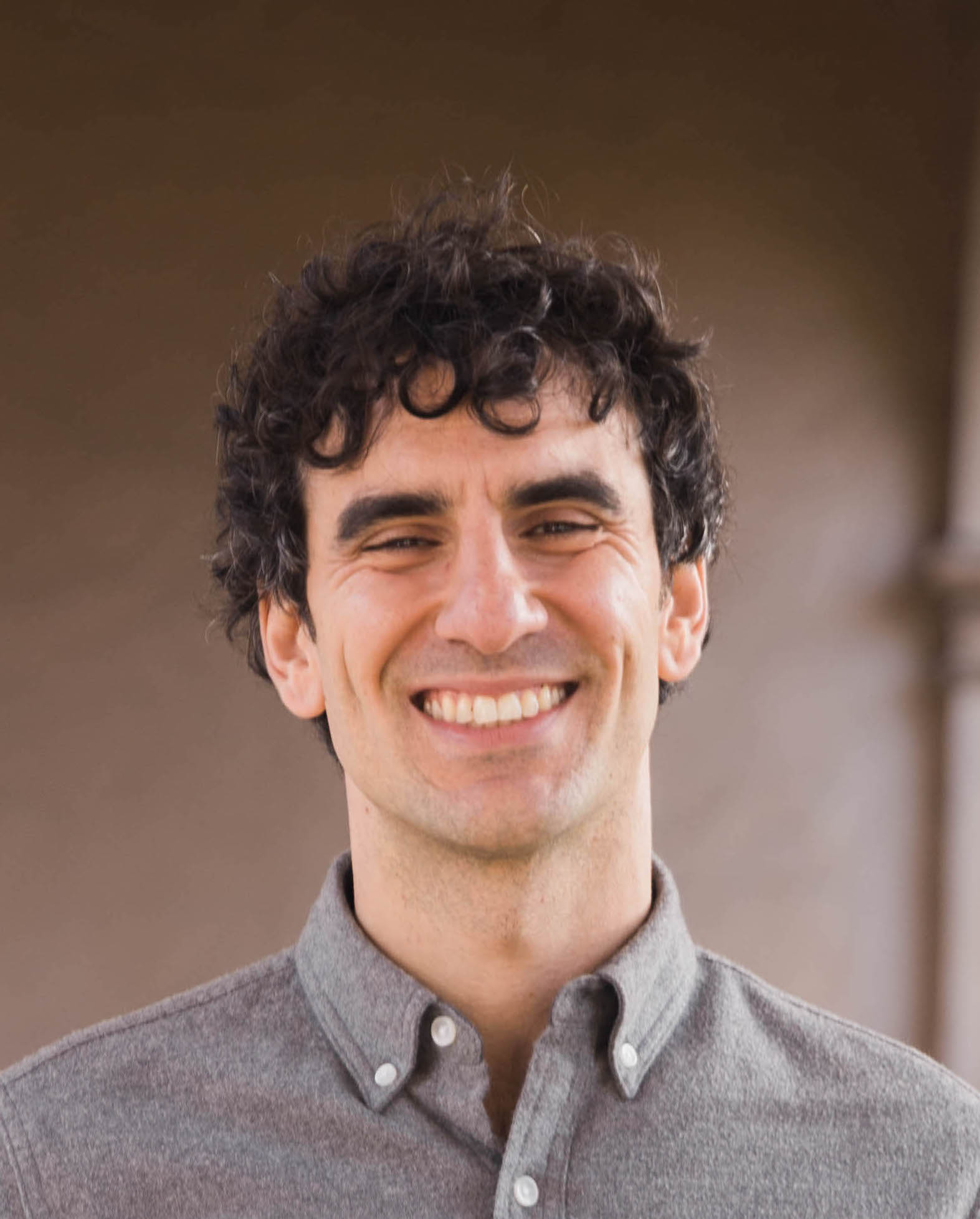
Dr. Shirag Shemmassian is the Founder of Shemmassian Academic Consulting and one of the world's foremost experts on medical school admissions. For over 20 years, he and his team have helped thousands of students get into medical school using his exclusive approach.



THERE'S NO REASON TO STRUGGLE THROUGH THE MED SCHOOL ADMISSIONS PROCESS ALONE, ESPECIALLY WITH SO MUCH ON THE LINE. SCHEDULE YOUR COMPLIMENTARY CONSULTATION TO ENSURE YOU LEAVE NOTHING TO CHANCE.