Learn what it takes to get into the USC Keck School of Medicine, admissions strategies, plus the Keck secondary essay prompts and sample essays
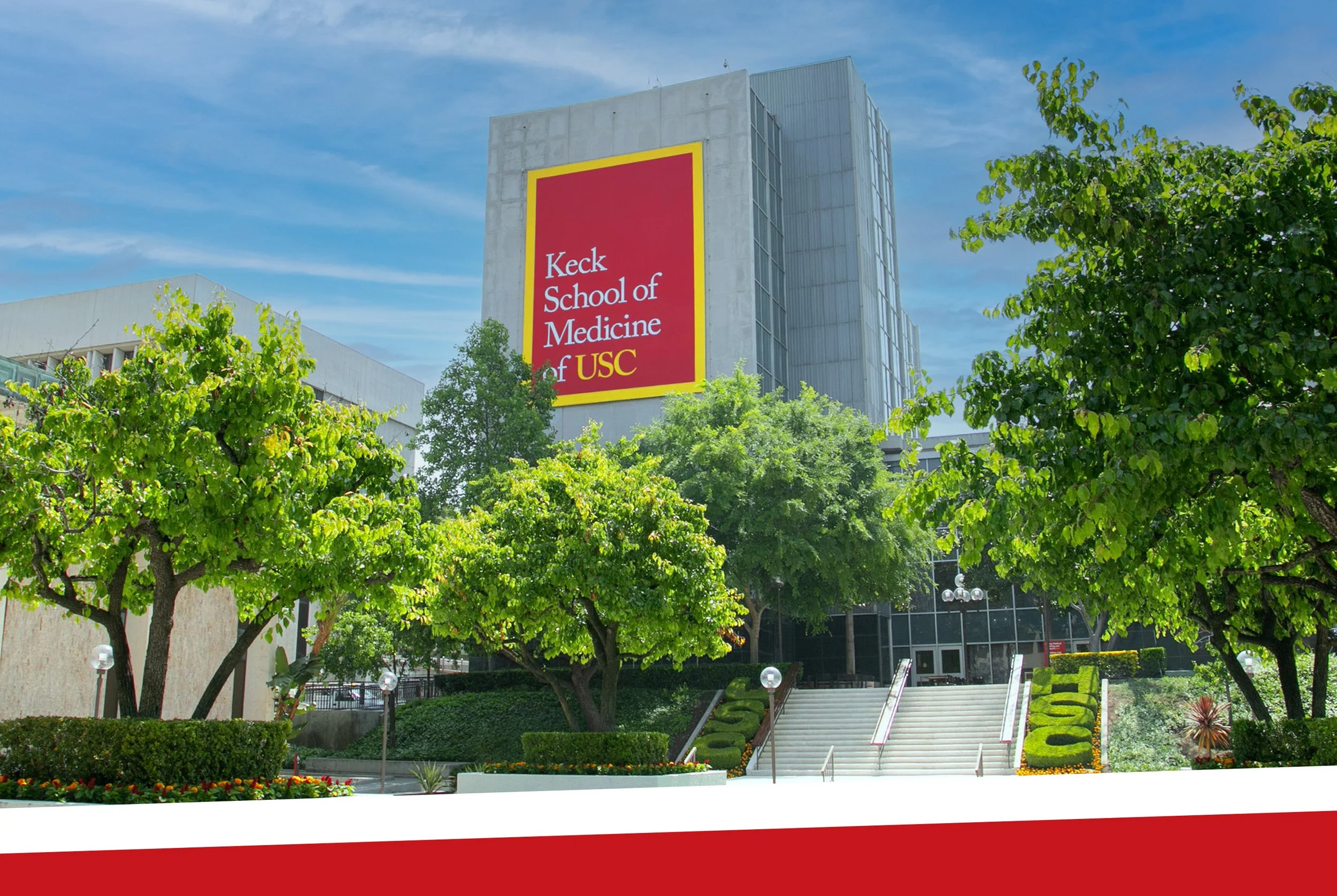
The USC Keck School of Medicine is a highly ranked U.S. medical school

What You'll Learn
Community-Centered Medical Education
How USC Keck School of Medicine leverages diverse patient populations and urban healthcare environments to deliver comprehensive, clinical-first training.
Academic Metrics & Admissions Standards
General expectations for candidate academic preparation, competitive GPA and MCAT profiles, and overall holistic admissions trends.
Prerequisite Coursework & Competencies
Mandatory foundational science courses, recommended humanities disciplines, laboratory experience expectations, and MCAT score validity windows.
Application Timeline & Key Milestones
Critical cycle deadlines covering AMCAS primary submission, secondary application processing, interview invitation windows, and final decision dates.
Secondary Essay Writing Strategies
Tactical frameworks for answering Keck’s supplemental prompts by showcasing personal background, diversity, resilience, and alignment with institutional values.
Curriculum Structure & Specialized Tracks
Overview of Keck's integrated medical curriculum, early clinical skills development, dual-degree options, and scholarly inquiry pathways.
Interview Format & Candidate Evaluation
Key details on Keck's interview structure and what evaluators emphasize when assessing interpersonal communication, ethics, and career readiness.
Introduction to USC Keck School of Medicine
USC Keck School of Medicine MD programs
USC Keck acceptance rate: How hard is it to get in?
USC Keck School of Medicine secondary application essays (examples included)
USC Keck School of Medicine interview
Frequently asked questions about USC Keck School of Medicine
----
Introduction to USC Keck School of Medicine
Founded in 1885, the University of Southern California’s Keck School of Medicine has built a reputation as one of the country’s leading research-driven medical schools, combining cutting-edge biomedical discovery with outstanding clinical training in the heart of Los Angeles. From pioneering work in stem cell biology, Alzheimer's disease, and genetic epidemiology to advances in biotechnology, cancer, and public health, Keck offers students the opportunity to train alongside physician-scientists shaping the future of medicine.
The research culture is reflected in the school’s national standing. Keck ranks first in the nation in NIH funding per investigator and is home to dozens of interdisciplinary research centers and institutes, giving students access to exceptional mentorship and research opportunities throughout their medical education.
Of course, joining this community is no easy feat. Keck is a highly selective medical school that looks for applicants with outstanding academic achievement, meaningful clinical and service experiences, and a demonstrated commitment to improving patient care.
In this guide, we’ll walk you through everything you need to know about getting into USC Keck School of Medicine, including admissions statistics, GPA and MCAT expectations, secondary essays, interview tips, and strategies for building a competitive application.
A number of our students get into the USC Keck School of Medicine each year. Want to learn how?
Get our free 102-page guide: Get Into Medical School: 6 Practical Lessons to Stand Out and Earn Your White Coat
----
USC Keck School of Medicine MD programs
Students applying to the USC Keck School of Medicine can pursue either the traditional four-year MD curriculum or one of several dual-degree programs designed for careers in research, public health, healthcare leadership, or business.
Keck's MD curriculum follows its Physician-Citizen-Scholar model, which emphasizes scientific inquiry, compassionate patient care, leadership, and service to diverse communities. Students gain early clinical experience while training at institutions, including Keck Hospital of USC, Los Angeles General Medical Center, and Children's Hospital Los Angeles. Rotating through academic, county, and pediatric hospitals can expose you to a broad spectrum of patients, healthcare systems, and clinical experiences while still providing abundant opportunities to participate in biomedical and clinical research.
If you're interested in complementing your medical education with additional graduate training, Keck offers the following dual-degree options:
MD-PhD program: Keck’s MD-PhD program is offered in conjunction with Caltech, giving students the incredible opportunity to be involved in two of the most dynamic centers for research in the nation. If you dream of being mentored by world-class faculty at exceptional facilities such as the Broad Center for Regenerative Medicine and Stem Cell Research, this program may be ideal for you.
MD-MPH program: This program will grant you an MD along with a master’s in public health and is meant for students who are seeking an “increased knowledge of and sensitivity to the political, historical, economic and social environments of health promotion and health services delivery.” The MD-MPH program is organized around five years—your first two years in medical school, the third completing your MPH, and the remaining two years devoted to clinical clerkships. Students must apply to the MPH program before the end of their third year of medical school, so if you’re accepted to Keck’s regular MD program and haven’t decided whether the MPH program is right for you, you still have a few years to consider pursuing this option.
MD-MBA program: The MD-MBA program at Keck will have you diving into the process of learning medicine while also sharpening your business acumen in tandem with the USC Marshall School of Business. This five-year program will have you engaged solely in medicine for the first three years and working solely on your MBA during year four. After which, the remaining business courses can be taken alongside your medical school courses. Keck states this program will equip individuals with the skills to lead in the “design and management of health care systems.”
MD-MHA program: Offered in partnership with the USC Price School of Public Policy, the MD-MHA program is designed for future physicians who want to shape healthcare delivery at the systems level. During this five-year program, you complete a Master of Healthcare Administration before returning to finish your medical training. Coursework emphasizes healthcare management, finance, policy, and organizational leadership, preparing you to take on leadership roles within hospitals, health systems, and other healthcare organizations.
Keck School of Medicine tuition and scholarships
Being a private institution, the USC Keck School of Medicine tuition is the same regardless of your in-state or out-of-state status. As with most medical schools, it doesn’t come cheap. Tuition for the 2025-2026 academic year currently sits at $74,480. Note that this doesn’t include costs of housing, books/supplies, transportation, or other fees. Keck estimates that this will total $116,992 for first-year students.
Fortunately, Keck offers several avenues to help its students manage these costs. In addition to federal student loans, eligible students may receive institutional scholarships, private scholarships, and service-based awards. The Office of Student Affairs also provides financial planning resources to help you understand borrowing, budgeting, and loan repayment throughout med school.
The institutional scholarships are awarded based on a variety of criteria, including academic merit, demonstrated leadership, community service, research involvement, specialty interest, professionalism, and financial need. Students are also encouraged to pursue outside scholarship opportunities.
If you’re interested in service-based funding, you should explore programs such as the National Health Service Corps Scholarship Program and the Health Professions Scholarship Program offered through the U.S. Armed Forces. These programs can cover tuition and provide living stipends in exchange for a service commitment after residency. For a broader overview of funding opportunities, be sure to review our guide to the best med school scholarships.
In addition to federal student loans, eligible students may also qualify for specialized loan programs, including Loans for Disadvantaged Students and Primary Care Loans, which offer helpful repayment terms for students who meet financial need requirements. Keck students experiencing an unexpected financial emergency can also apply for USC's Campus Support & Intervention Emergency Loan Program, which provides interest-free loans of up to $1,000 per semester to help cover unforeseen expenses. While not intended to replace long-term financial aid, this program can provide short-term assistance..
----
USC Keck acceptance rate: How hard is it to get in?
The USC Keck School of Medicine is one of the nation's most selective medical schools, attracting thousands of highly qualified applicants each year. Gaining admission requires far more than strong grades and test scores—you'll also need meaningful clinical experience, sustained service, research involvement, leadership, and a compelling personal narrative that demonstrates your fit with Keck's mission.
The average academic metrics of recent matriculants reflect just how competitive the applicant pool is. The entering class of 2025 reported an average MCAT score of 517 and an average GPA of 3.85. While earning similar numbers won't guarantee admission, they provide a useful benchmark.
According to the AAMC, Keck received 9,612 applications during the 2025–2026 admissions cycle and ultimately enrolled a class of only 120 students. Roughly half of all applicants were California residents, yet they accounted for approximately 81 percent of matriculants. If you’re applying from outside of California, you should keep this in mind when building a balanced school list, but don’t assume admission is out of reach. Each year, Keck enrolls students from across the country who demonstrate an outstanding fit with the school's mission and values.
Although Keck does not publicly report the number of interview invitations it extends each cycle, these admissions statistics make one thing clear: competitive applicants distinguish themselves through both exceptional academic achievement and meaningful experiences that show they're prepared to contribute to the Keck community.
(Suggested reading: Average GPA and MCAT Score for Every Medical School)
USC Keck School of Medicine admissions requirements
In order to be eligible to apply to the USC Keck School of Medicine, you’ll need to make sure you’ve got a few prerequisites under your belt. Unlike many medical schools, they don’t list specific requirements you’ll need other than a baccalaureate degree from a U.S. institution (or an international equivalent) and to have “demonstrated competency in the sciences.” Applicants must also have an MCAT score of 506 or higher to receive a secondary application invitation.
That said, they do make a point to recommend taking Spanish and statistics courses. Additionally, they direct applicants to MSAR for other admissions requirements which would put them in line with most other medical schools. To that end, it would be wise to have completed the following during undergrad:
Biology: One year with lab (including molecular biology, cell biology and genetics)
Chemistry: One year with lab
Physics: One year with lab
Organic chemistry: One year with lab
Biochemistry: One semester
While not absolutely necessary for most medical schools, USC Keck does require this for their premed undergraduates. It would be reasonable to assume their medical school admissions committee would want to see some biochemistry courses on your application.
Math: One year (Usually calculus and/or statistics)
College-level English courses: One year
(Suggested reading: Medical School Requirements: The Definitive Guide)
USC Keck School of Medicine application timeline
To apply to the USC Keck School of Medicine, you’ll need to keep these dates and deadlines in mind:
May 5, 2026: AMCAS application opens
May 28, 2026: AMCAS application can be submitted
July 2026: Applications reviewed and interview invitations begin to be sent out
August 2026: Interview season begins
October 15, 2026: First day offers of admission are sent out. They continue to be sent on a rolling basis.
November 1, 2026: AMCAS application deadline
December 1, 2026: USC Keck School of Medicine secondary application deadline
June 1, 2027: Commit to enroll deadline
August 2027: Orientation and the first week of classes
These deadlines apply regardless of whether you wish to enroll in a dual-degree program or the traditional MD program. For the MD-PhD program, you will have an extra set of questions to answer on Keck’s secondary application. If you’re considering the MD-PhD program, it might benefit you to go ahead and apply, as you will be automatically considered for the MD-only track even if you’re not accepted to the dual-degree option.
(Suggested reading: The Ideal Medical School Application Timeline)
----
USC Keck School of Medicine secondary application essays (examples included)
Once you’ve wrapped up your personal statement and submitted your AMCAS application, it’s time to dive into the Keck School of Medicine secondary application essays. This is where you’ll have the chance to truly shine and highlight your qualities that align with the Keck School of Medicine’s values to show you’re the right fit for their institution.
The secondary essay prompts for the Keck School of Medicine are a bit unusual in that they don’t ask the typical questions such as “Why us?” or “Tell me about a time you experienced adversity.” Many of the questions seek to get to know you by asking more open-ended, seemingly light-hearted questions.
These unusual questions force you to be creative in your responses to stand out. We’ve listed the secondary prompts for the Keck School of Medicine below along with some example responses.
Question 1: What is the most fun you’ve had lately?
I recently went camping with my extended family in northern California. Seeing redwood trees for the first time was awe-inspiring, and I always love cooking for groups with just a fire pit and improvised kitchen. Our many hikes made a lasting impression on me, and I look forward to our next outdoor adventure.
Question 2: If you had to give yourself a nickname, what would it be?
Question 3: What are three things you don't care about at all?
Question 4: Describe a situation in which you didn’t get something you felt you deserved.
Question 5:(Optional) Is there anything else you would like us to know? Please respond in 200 words or less.
Additional questions for MD-PhD applicants:
Question 1: List your publications and papers submitted including one or two sentences describing your role on each publication. (250 word, max. 1,800 characters)
Question 2: Please indicate fields of study for which you have a special interest. For example: Anatomy, Biostatistics, Molecular Biology, Systems Biology, Epidemiology, Bioengineering, Human Genetics, Neurosciences, Biochemistry, Immunology Nutrition, Microbiology, Pathology, Pharmacology Biophysics, Physiology, Cancer, Other
Question 3: Please provide the names of faculty with whom you would like to meet, if invited for an interview. For each faculty member suggested, provide a sentence or two explaining why you would like to meet that person. (250 word, max. 1,800 characters)

----
USC Keck School of Medicine Interview
Making it through the application process and onto the interview stage is a significant achievement in and of itself. If you’ve come this far, be sure to take a moment and congratulate yourself on being so close to the finish line!
After you’ve done so, turn your attention to learning about what to expect on interview day. Each medical school is slightly different, and you’ll want to be as prepared as possible so you don’t drop the ball at this late stage of the game.
The “interview season,” as Keck calls it, begins in August, and admission offers begin October 15 on a rolling basis, so applicants invited earlier in the cycle may have the advantage of being considered while more seats remain available.
The USC Keck School of Medicine uses a traditional interview format rather than a Multiple Mini Interview (MMI). You’ll complete two one-on-one interviews, often with a faculty member and/or current student.
Keck interviews are generally conversational and may focus on your motivation for medicine, understanding of healthcare issues, service experiences, ethical reasoning, and fit with Keck’s mission. In the course of our experience assisting students over the years, we’ve seen many questions come up again and again during Keck School of Medicine interviews. A few of these are listed below:
What do you think is the biggest issue in healthcare?
Tell us about an ethical issue you faced and what you did in that situation.
What is one major challenge you faced on your journey to med school?
Why do you want to attend the Keck School of Medicine?
What is your opinion on healthcare in the US?
What accomplishment are you most proud of?
What is your experience working with underserved communities?
The majority of these questions are focused on getting you to articulate your reasons for wanting to spend your life practicing medicine and a little about why you specifically want to attend the Keck School of Medicine.
Types of questions such as these are often standard for medical schools and you may expect them, but have you prepared for them? How should you approach answering, “What is one major challenge you faced on your journey to med school?” or “Tell us about an ethical issue you faced and what you did in that situation?” One strategy is to develop an answer that you can draw on if asked, but you don’t want to risk sounding robotic. Remember, how you deliver your answers is just as important to the success of your interview as what you answer.
Take time to think through your possible responses to these questions, but don’t memorize your answers. Furthermore, educate yourself on as many aspects of your desire to attend Keck as possible so that your enthusiasm for the school shines through. Practicing with a fellow student or family member is one way to bolster your confidence.
After your USC Keck School of Medicine interview
Once you’ve clicked to end the meeting on your interview, a wave of relief will wash over you, but that first wave could be followed by another—of uncertainty and anxiety. Questions will immediately start swirling through your mind like, “How did I do?” “Is there really nothing left to do but wait?” “How long until I know the answer regarding my application?”
For USC Keck hopefuls, these months stretch ahead with rolling decisions trickling out starting from October and lasting until April. You should hear something by April 30th. If you’ve been placed on the waitlist and April 30th arrives without a definitive answer, you may want to reach out to USC Keck to let them know you’re still interested.
Will the USC Keck School of Medicine accept update letters?
USC Keck has a two-pronged system for updating you on your application. All official notifications, such as interview invitations or admission decisions, will be sent via email. However, if you want to check on your application status, make sure to do so through their application portal. Emailing admissions to ask for updates won’t likely get you much more than an eyeroll.
That said, USC Keck does not accept update letters of any kind. What they will accept is a simple email stating your continued interest if you’re still on the waitlist on April 30th. You can write a letter of interest in email form that doesn’t dive into any updates you may have, but we’d caution against anything else, as it won’t be looked upon favorably by the admissions committee.
----
Frequently asked questions about USC Keck School of Medicine
What makes a competitive applicant to the USC Keck School of Medicine?
While strong academic metrics are certainly important, successful Keck applicants distinguish themselves through much more than their GPA and MCAT scores. Because Keck places a strong emphasis on research, service, leadership, and health equity, the adcom looks for students who have consistently demonstrated these qualities over time:
Strong academic performance (many matriculants have GPAs around 3.85 and MCAT scores around 517)
Meaningful clinical experiences that demonstrate a sustained commitment to patient care
Research experience, particularly if applying to one of the country's leading research-focused medical schools
Long-term service to underserved or marginalized communities
Leadership experiences that show initiative, teamwork, and maturity
The ability to reflect thoughtfully on how their experiences have shaped their desire to become a physician
Rather than trying to check every possible box, focus on building a cohesive application that clearly communicates who you are, what motivates you, and why Keck's mission aligns with your goals. Adcoms generally find sustained commitment and meaningful reflection more compelling than a long list of unrelated activities.
What is the acceptance rate at USC Keck?
USC Keck does not publish an official acceptance rate, but the admissions stats illustrate just how competitive the school is. During the 2025–2026 cycle, Keck received 9,612 applications and enrolled a class of 120 students.
Academic excellence is certainly important (the entering class of 2025 reported an average GPA of 3.85 and average MCAT score of 517), but strong numbers alone won’t guarantee admission. Keck uses a holistic review process that also places emphasis on clinical experience, research, service, leadership, and your fit with the school’s mission of developing physician-citizen-scholars.
What MCAT score do you need for USC Keck?
To receive a secondary application from Keck, applicants generally need an MCAT score of at least 506. However, receiving a secondary invitation is only the first step. Recent matriculants reported an average MCAT score of 517, placing them in approximately the 94th percentile of all test takers.
While applicants with lower scores are admitted each year, you'll need to strengthen the other parts of your application, such as your clinical experience, research, service, and leadership, to remain competitive.
Does USC Keck have prerequisite courses?
Unlike many medical schools, Keck doesn’t publish a required list of prerequisite courses. Instead, applicants must earn a bachelor's degree and “demonstrate competency in the sciences,” which is pretty vague.
That said, most successful applicants complete the traditional premed coursework, including biology, chemistry, organic chemistry, physics, biochemistry, mathematics, and English, before applying. Keck also specifically recommends coursework in Spanish and statistics, since serving diverse patient populations and preparing students to interpret medical research are central to its mission.
Is USC Keck friendly to out-of-state applicants?
Yes, although California residents make up the majority of each incoming class. During the most recent admissions cycle, approximately half of all applicants came from California, yet California residents accounted for roughly 81 percent of matriculants.
Out-of-state applicants are admitted every year, but because they'll be competing for fewer available seats, it's especially important to demonstrate a strong fit with Keck's mission and opportunities. Rather than worrying about your state of residence, focus on building the strongest application possible.
Does USC Keck accept update letters?
No, Keck generally doesn’t accept routine update letters during the admissions cycle. You should monitor your status through the Admissions Portal while official communications are sent by email.
One exception exists for applicants who remain on the waitlist after April 30. At that point, you may email the admissions office to indicate you wish to remain under consideration, but this should be a brief expression of continued interest rather than a comprehensive update of new accomplishments.
Does USC Keck require the Casper or PREview exam?
No, the USC Keck School of Medicine doesn’t currently require either the Casper situational judgment test or the AAMC PREview professional readiness exam as part of the admission process.
While some med schools require you to complete these tests to evaluate your professional competencies like ethics, teamwork, communication, and empathy, Keck asses these qualities through your application itself and during its interview process. To gain admittance, focus on strengthening your written materials and prepping for the interview, which play a much larger role in Keck’s admissions decisions.
When does USC Keck send interview invitations?
Keck sends interview invitations on a rolling basis in July, with interview season starting in August and continuing through February. Admissions offers are released on a rolling basis beginning October 15, so if you’re invited earlier in the cycle, you may have the advantage of being considered while more seats remain available.
Unlike schools that use the Multiple Mini Interview (MMI), USC Keck conducts two traditional one-on-one interviews, often with faculty members and/or current medical students. Interviews are usually conversational and focus on your motivation for medicine, clinical and service experiences, ethical reasoning, and fit with Keck’s mission. Rather than trying to memorize answers, prepare several authentic stories that demonstrate qualities like resilience, leadership, empathy, and your commitment to serving diverse patient populations.
Does USC Keck screen applications before sending secondaries?
Yes. Unlike many medical schools that automatically send secondary applications to all applicants, USC Keck screens primary applications before inviting students to complete the secondary. In most cases, you must have an MCAT score of at least 506 to receive a secondary invitation, although there are limited exceptions outlined by the admissions office.
Receiving a secondary app should be viewed as the next step in a holistic review process, not an indication that admission is likely. To be a competitive applicant, you must distinguish yourself through strong academics, meaningful clinical experiences, research, service, leadership, and thoughtful secondary essays that align with Keck’s mission.
How many letters of recommendation does USC Keck require?
USC Keck accepts either one pre-health committee letter or two to three individual letters of recommendation submitted through AMCAS. If your undergrad institution offers a committee letter, Keck encourages you to submit one. If you submit individual letters, you should choose recommenders who know you well and can write detailed examples of your academic achievements, character, leadership, research or clinical experiences, and show you have a commitment to service.
Instead of focusing on obtaining the max number of letters, prioritize quality of quantity. Strong recommendation letters provide specific examples that reinforce the qualities already demonstrated throughout the rest of your application.
Final thoughts
Becoming one of the privileged few who gain entry into the research powerhouse of the USC Keck School of Medicine each year is a lofty and challenging goal—but far from an impossible one. Being disciplined when it comes to putting together your application and preparing for each major step along the way will give you the best chance of success.
About the Author
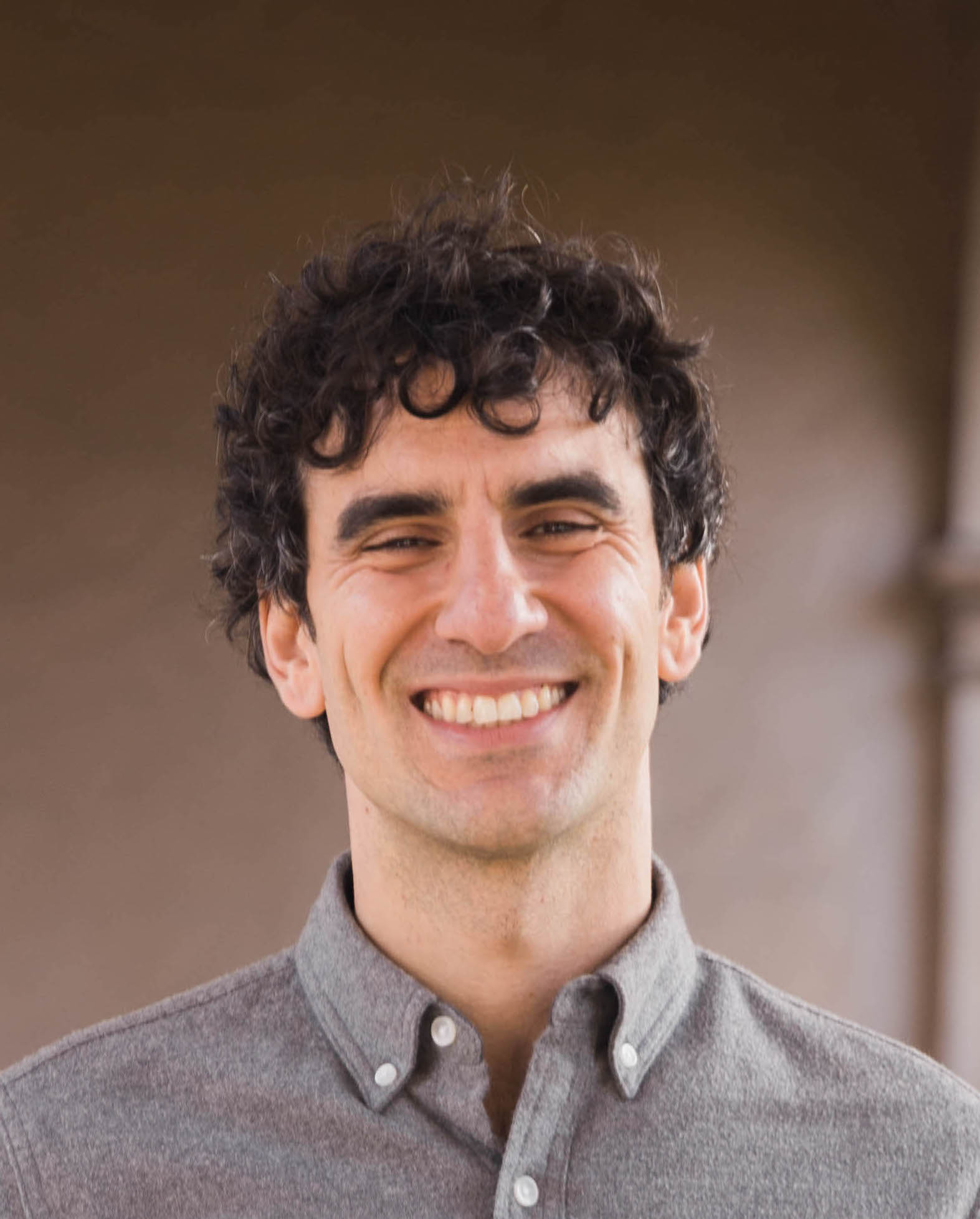
Dr. Shirag Shemmassian is the Founder of Shemmassian Academic Consulting and one of the world's foremost experts on medical school admissions. For over 20 years, he and his team have helped thousands of students get into medical school using his exclusive approach.