The Best Osteopathic Medical Schools: DO School Rankings List (2026)
Explore top-ranked osteopathic medical programs and how best to increase your admissions odds.

The best DO school for you depends on your unique circumstances.

What You'll Learn
Understanding DO vs. MD Education
How osteopathic medical training compares to allopathic education in scope, osteopathic manipulative treatment, and philosophy.
Evaluating Top Osteopathic Programs
Which osteopathic medical schools rank among the top institutions based on academic prestige, history, and residency outcomes.
Admissions Statistics & Benchmarks
Average GPA and MCAT score expectations across leading DO programs to gauge where your profile is most competitive.
Navigating the AACOMAS Application
How applying to DO schools differs from standard MD applications, including specific essay prompts and recommendation requirements.
Single Accreditation & Match Success
How the unified residency match system impacts DO graduates applying to competitive specialties alongside MD applicants.
Clinical Rotations & Facilities
How affiliated hospital networks, clinical rotation placements, and campus locations influence student training experiences.
Building a Balanced School List
Key criteria for selecting DO schools based on tuition costs, residency match performance, geographic preference, and mission fit.
The best DO schools: rankings and admissions statistics
Who should consider osteopathic medical schools?
DO program admissions strategies
Frequently asked questions
Your heart is set on becoming a physician. You’ve dedicated yourself to the rigorous journey of preparing for medical school—taking med school prerequisites, engaging in meaningful extracurriculars, and gaining clinical experience. As you start compiling your list of potential medical schools, you come across osteopathic medical schools, or DO programs. This piques your curiosity: Should you apply to DO programs? And if so, which ones?
While MD and DO degrees both lead to careers as licensed physicians, they involve distinct philosophies, training approaches, and professional opportunities. DO programs are not inferior. However, they are generally easier to get into.
On top of an up-to-date list of the best DO schools in the U.S., this guide will provide the insights and strategies you need to navigate the DO application process with confidence, plus whether you should consider DO programs in the first place.
Learn everything you need to know to get into medical school.
Get our free 102-page guide: Get Into Medical School: 6 Practical Lessons to Stand Out and Earn Your White Coat
----
The best DO schools: rankings and admissions statistics
To help you identify which DO programs you should apply to, we compiled a list of the best osteopathic medical schools and their most important admissions data.
Just because the MCAT and GPA of DO matriculants are a little lower than those of MD matriculants, don’t think osteopathic medical schools are of lower quality. If you want to become a DO physician, you have many respected programs to choose from.
Below, you’ll find the 2026 U.S. News rankings, plus relevant statistics, for the best DO schools.
Note: U.S. News and World Report moved to a tier-based ranking system in fall 2024, in part due to a number of schools declining to participate. Schools that declined to share sufficient data with US News are now unranked, which is reflected in the table below with ‘Unranked.' Schools that did participate are given ‘tier’ rankings by U.S. News.
| Osteopathic Medical Schools | |||||||
|---|---|---|---|---|---|---|---|
| A.T. Still University School of Osteopathic Medicine in Arizona | #1 in Most Graduates Practicing in Rural Areas |
||||||
| Des Moines University College of Osteopathic Medicine | |||||||
| Edward Via College of Osteopathic Medicine | Tier 3 in Primary Care |
||||||
| Lake Erie College of Osteopathic Medicine | |||||||
| Lincoln Memorial University DeBusk College of Osteopathic Medicine | |||||||
| Marian University College of Osteopathic Medicine | |||||||
| Michigan State University College of Osteopathic Medicine* | #2 in Most Graduates Practicing in Health Professional Shortage Areas |
$61,838 (OOS) |
|||||
| Nova Southeastern University Dr. Kiran C. Patel College of Osteopathic Medicine | Tier 3 in Primary Care |
||||||
| Ohio University Heritage College of Osteopathic Medicine* | $56,284 (OOS) |
||||||
| Oklahoma State University Center for Health Sciences College of Osteopathic Medicine* | Tier 2 in Primary Care #1 in Most Graduates Practicing in Health Professional Shortage Areas |
$53,299 (OOS) |
|||||
| Rowan University School of Osteopathic Medicine* | Tier 3 in Primary Care |
$78,086 (OOS) |
|||||
| Touro California College of Osteopathic Medicine | Tier 2 in Primary Care |
||||||
| Touro College of Osteopathic Medicine (Harlem) | Tier 2 in Primary Care |
||||||
| University of New England College of Osteopathic Medicine | |||||||
| University of North Texas Health Science Center Texas College of Osteopathic Medicine* | Tier in 3 Research |
$35,456 (OOS) |
|||||
| University of Pikeville Kentucky College of Osteopathic Medicine | Tier 2 in Primary Care |
||||||
| Western University of Health Sciences College of Osteopathic Medicine of the Pacific | Tier 1 in Primary Care |
||||||
| West Virginia School of Osteopathic Medicine* | $56,394 (OOS) |
||||||
| William Carey University College of Osteopathic Medicine | Tier 1 in Primary Care |
*Public medical schools | IS: In-state | OOS: Out-of-state | NR: Not reported
----
Who should consider osteopathic medical schools?
The best students to consider osteopathic medical schools are those who are interested in holistic patient care, are pursuing a primary care specialty, have less-competitive academic stats, and understand the trade-offs.
Remember—many premed students apply to both allopathic and osteopathic medical schools. So if you’re still not sure whether an MD (Doctor of Medicine) or DO (Doctor of Osteopathic Medicine) program would be better for you, we’d suggest applying to both.
You're interested in holistic, patient-centered care
Osteopathic medical schools teach a holistic approach to patient care. For many students, the specialized focus on prevention, the body’s ability to heal itself, and the patient as a whole are exactly what they’re looking for in their medical training.
A distinguishing factor of DO training is that you receive 200 hours of specialized osteopathic manipulative treatment (OMT). This set of techniques treats and prevents illness or injury by stretching and applying pressure to patients’ muscles and joints.
In practice, OMT can seem similar to chiropractic techniques, but instead of just correcting a patient’s spinal alignment, it can also treat health problems such as asthma, migraines, and sinus disorders. In some cases, OMT may work as a replacement for drugs or surgery.
This treatment method attracts many students to osteopathic medical schools because they’re interested in exploring more natural, holistic approaches to healing.
Osteopathic medicine takes a big-picture approach by looking beyond the diagnosis and treatment of disease. If you’re passionate about improving community health and preventing disease before it takes hold, a DO program helps you pursue those aims in your medical career.
You're interested in primary care but don’t want to limit yourself
The majority of osteopathic med school graduates become primary care physicians—particularly in rural areas. Although DO physicians have much the same opportunities to specialize as MD physicians do, MDs tend to match into non-primary specialty residencies more easily than DOs.
More than half of DO graduates match into the three primary care specialties: Family Medicine, Internal Medicine, and Pediatrics.
Not every DO physician becomes a rural primary care doctor, so even if that’s not your career goal, an osteopathic medical school could still be a good choice for you. But if you’re interested in primary care practice, the philosophy of osteopathic medicine is most applicable to this path.
Your academic stats aren’t as highly competitive
Osteopathic med schools appeal to premed students with low stats because they have a better chance of getting accepted to a DO program than an MD program.
On average, students accepted to osteopathic med schools have lower stats than students who enter allopathic medical schools. For example, the average GPA and MCAT for DO matriculants were 3.60 and 502.97, while the averages of students enrolling in MD programs were 3.81 and 512.1.
If your stats aren’t quite competitive enough for allopathic medical schools, applying to DO programs gives you an option to continue pursuing a medical degree instead of taking a gap year to enroll in a post-bacc, boost your clinical exposure, or retake the MCAT before reapplying.
Osteopathic medical schools have about the same matriculation rate as allopathic schools, if not lower. There are only 48 accredited DO programs, compared to the 150+ MD programs. With fewer DO seats available, the competition is still fierce to get accepted, so you have to make yourself a competitive applicant.
You understand the tradeoffs
There are tradeoffs to training in a DO program. Yes, it’s generally easier to get into than MD programs, but you will most likely go into a primary care specialty, you’ll more likely serve in a rural area, and DO schools are not typically prestigious. If you’re okay with those tradeoffs, an osteopathic school might be right for you.
When it comes to the most competitive medical specialties, DO graduates have a harder time matching than their MD counterparts. Overall residency match rates are fairly close (92.6 percent for DOs vs. 93.5 percent for MDs), but most DO grads go into primary care and see less success in other specialties.
An osteopathic medical school might not be a great fit for you if you’ve dreamed of attending a medical program attached to a prestigious university or a large medical center.
Because many DO programs are aimed at training rural primary care physicians, they’re located in the midst of the rural communities their graduates are meant to serve. You’ll spend more of your clinical rotations in community clinics than in acclaimed hospitals. And you won’t find DO programs attached to Ivy League schools or highly selective undergraduate institutions.
Osteopathic medical schools do not offer inferior training or produce second-rate physicians. The approach is simply different—not better or worse. If the prestige of your medical school is important to you, you’re better off looking at top-ranked MD programs.
----
DO program admissions strategies
In this section, we’ll explore the admissions strategies—beyond having competitive stats—that will help you increase your chances of getting accepted to a DO program.
Over 90% of our students get into med school—the first time.
Get our free 102-page guide to help you with every step: Get Into Medical School: 6 Practical Lessons to Stand Out and Earn Your White Coat
Demonstrate a genuine interest in osteopathic medicine
To be an impressive candidate, demonstrate that you’re truly interested in osteopathic medicine—not just looking for an easier route to becoming a physician because you have less competitive stats.
DO programs require the same extracurricular activities as MD programs, including shadowing, research, volunteering, and direct exposure to patient care. But you could shadow doctors of osteopathic medicine, volunteer to teach a nutrition class, or do research on preventive medicine.
Look for other opportunities in your community to be a holistic health advocate or spread information about healthy lifestyles and prevention. If possible, arrange your patient experience to take place in a health clinic where you can witness holistic medicine in action.
You can apply a whole-person approach to any clinical experience you gain. Look beyond treating symptoms and consider how to improve patients’ long-term overall health through healthier living practices to prevent future health problems.
Bonus points if you can participate in osteopathic manipulative medicine (OMM) through your clinical or research hours.
If you’re applying to both allopathic and osteopathic medical schools, don’t worry. Weaving a holistic medicine approach through your extracurriculars will look good on MD program applications, too. As long as you’re demonstrating an authentic interest, you’ll impress adcoms across the board with your holistic medicine experience.
Shadow a DO physician and secure a strong letter of recommendation
The best way to secure a strong letter of recommendation for an osteopathic medical school is by shadowing a DO physician.
Shadowing allows you to observe how a doctor treats patients, helping you determine whether you’re interested in a holistic medical approach. If you have the time and ability, you could shadow both a DO and an MD physician to compare their day-to-day medical duties.
Experience first-hand the differences in their medical philosophies, patient interactions, and treatment methods, which can help solidify your choice to pursue a DO degree. Some applicants even reference this comparison in their personal statements or interviews, highlighting a well-informed commitment to osteopathic medicine.
Many DO programs require at least one letter from a practicing DO to ensure that applicants have taken the time to explore osteopathic medicine and demonstrate a genuine interest in its principles. Even if a school does not explicitly require a DO letter, having one can showcase your commitment to the field.
Here are a few ways to find a great osteopathic shadowing opportunity for you:
Check with your primary care physician. If they are a DO, they may be open to having you shadow them. If not, they may know a DO colleague who is willing to mentor you.
Utilize an online directory of Doctors of Osteopathic Medicine, such as the one maintained by the American Osteopathic Association, to find potential physicians to shadow. Their directory lists licensed DOs by location and specialty, making it easier to find a physician near you.
Use resources at your university. Many pre-health advising offices have partnerships with or recommendations for local osteopathic physicians. Some DO schools host open houses, information sessions, and outreach programs where you can meet faculty and local physicians who may be open to shadowing opportunities.
Join any student organizations on campus related to osteopathic medicine. For example, if your school has a Pre-SOMA (Student Osteopathic Medical Association) chapter, that’s a great resource for networking with DOs who are eager to mentor pre-med students. Maybe seek a leadership position, which looks great on your AACOMAS.
Write a compelling personal statement
Your med school personal statement—whether you apply to osteopathic medical school, allopathic, or both—should include your reasons for pursuing medicine, the experiences that led you to a medical career, and evidence for why you’ll be a successful physician.
That said, there are ways to cater your personal essay to osteopathic admissions committees.
Craft an authentic statement focusing on the aspects of holistic medicine that appeal most strongly to you, whether that’s OMT, prevention, or treating the patient as a whole. Use anecdotes to demonstrate your exploration of and commitment to osteopathic medicine.
Since many students apply to both MD and DO programs, it’s tempting to use the same personal statement for both applications. Using the same theme or anecdotes is a smart way to save time and effort, but be careful about just adding “holistic” throughout your MD personal statement in an attempt to demonstrate your interest in osteopathic medicine. Adcoms see right through you.
DO schools want to see your interest in specifically becoming an osteopathic doctor. While being honest, give DO adcoms what they want.
However, do not indicate that you’re applying because DO programs are easier to get into. First of all, if that’s true, consider realigning your priorities. Secondly, making DOs sound inferior to MDs is a surefire way to get your application thrown in the trash.
Give your personal statement to mentors or peers whom you trust. Find a DO physician you trust to offer editing suggestions. Obviously, you want the spelling and grammar to be correct, but you’re really looking for how to strengthen and emphasize your best sections.
Prepare for your interview
Once you’ve crafted your AACOMAS and submitted secondaries, prepare for interview day. There will be little time to rest, even after a successful application, if you’re to be fully ready for the last great obstacle in your journey to medical school.
The DO interview is your chance to shine beyond your GPA and MCAT score. It’s the final step in the admissions process, where you showcase your passion for osteopathic medicine and convince the admissions committee you’d be a valuable addition to their program as someone who’s personable, knowledgeable, and dedicated to the field.
Here are our expert tips on preparing for your osteopathic medical school interview day:
Become an osteopathic philosophy expert. Do your due diligence and make sure you’re able to speak at length about the practice of osteopathic medicine. Your answers should demonstrate a deep understanding of osteopathic principles such as OMT and holistic care and how they align with your approach to medicine.
Craft a compelling "Why DO?" narrative. Your interview responses will be assessed not merely on your knowledge of osteopathic philosophy, but on your story and reasons for wanting to pursue a DO. Move beyond the generic “I want to help people,” and connect your past experiences to the values of osteopathic medicine. What sparked your interest in a DO and how can you best relate that experience in your answer?
Practice makes perfect. Rehearsing common interview questions with a friend, family member, or an advisor at your university’s pre-health or career office can go a long way to improve your communication and keep your nerves calm on the big day. Look up typical interview questions at DO schools, and consider how you might respond. Focus on delivering clear, concise, and enthusiastic answers. On the other hand, don’t let your answers come off as robotic and over-rehearsed.
Remember, the admissions committee wants to see not just a great student, but a well-rounded individual with a genuine passion for osteopathic medicine.
----
Frequently asked questions
Do DO graduates have the same residency opportunities as MD graduates?
DO graduates are generally eligible to apply to the same residencies as MD graduates—which is a welcome change from decades past.
However, DOs are most successful at matching into primary care specialties: Family Medicine, Internal Medicine, and Pediatrics. MDs are more likely to get into highly competitive specialties, such as Surgery, Dermatology, Radiology, and so on.
Is osteopathic medical school harder than allopathic medical school?
Although osteopathic medical schools are easier to get into, the curriculum once admitted is slightly harder—for two primary reasons: added coursework and often preparing for double the licensure exams.
Generally speaking, DO schools offer almost the same training as MD schools but with added required coursework on osteopathic manipulative treatment (OMT).
Secondly, DOs are required to take the COMLEX-USA for medical licensure, but many DOs choose to take USMLE as well. USMLE is designed for MDs to take leading up to residency and licensure, but a majority of osteopathic students take the USMLE for better odds in the National Resident Matching Program (NRMP) Main Residency Match.
Which DO schools have the best residency match rates?
Most DO schools have extremely high matching rates in primary care specialties. Some of the best DO schools for residency matching include:
A.T. Still University School of Osteopathic Medicine in Arizona
Des Moines University College of Osteopathic Medicine
Kansas City University College of Osteopathic Medicine
Michigan State University College of Osteopathic Medicine
Ohio University Heritage College of Osteopathic Medicine
Philadelphia College of Osteopathic Medicine
Which DO schools are best for primary care?
Most DO schools are excellent for going into a primary care medical specialty, such as Family Medicine, Internal Medicine, and Pediatrics. Here are some of the top osteopathic schools for primary care:
A.T. Still University School of Osteopathic Medicine in Arizona
Des Moines University College of Osteopathic Medicine
Lincoln Memorial University DeBusk College of Osteopathic Medicine
Oklahoma State University Center for Health Sciences College of Osteopathic Medicine
Touro California College of Osteopathic Medicine
Touro College of Osteopathic Medicine (Harlem)
University of North Texas Health Science Center
University of Pikeville Kentucky College of Osteopathic Medicine
Western University of Health Sciences College of Osteopathic Medicine of the Pacific
William Carey University College of Osteopathic Medicine
Final thoughts
If you’re passionate about treating patients holistically and practicing preventive medicine, and you don’t care about school prestige, attending an osteopathic medical school is the perfect choice for you.
By employing the admissions strategies we’ve provided, you can increase your admissions odds of getting accepted to one of the best DO schools available. Need more personalized advice? Our advisors are ready to help with expert advice unique to your situation!
About the Author
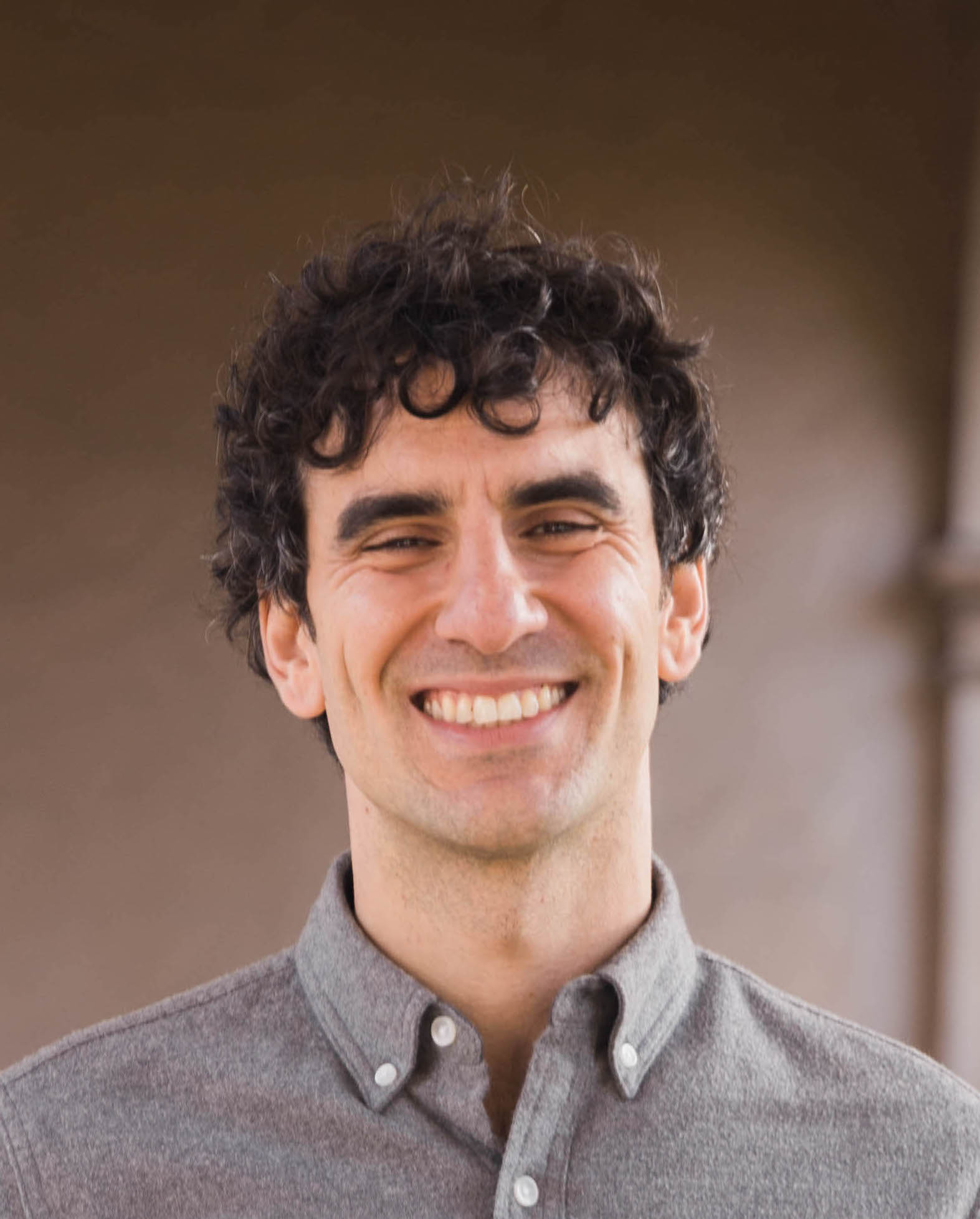
Dr. Shirag Shemmassian is the Founder of Shemmassian Academic Consulting and one of the world's foremost experts on medical school admissions. For over 20 years, he and his team have helped thousands of students get into medical school using his exclusive approach.
THERE'S NO REASON TO STRUGGLE THROUGH THE MED SCHOOL ADMISSIONS PROCESS ALONE, ESPECIALLY WITH SO MUCH ON THE LINE. SCHEDULE YOUR COMPLIMENTARY CONSULTATION TO ENSURE YOU LEAVE NOTHING TO CHANCE.