How to Pass the USMLE Step 1: A Complete Breakdown
Learn how to prepare for the USMLE Step 1, create an effective study schedule, choose the right resources, and avoid common mistakes

Learn how to pass the USMLE Step 1
What is the USMLE Step 1?
USMLE Step 1 format, pass rates, and content
Building a Step 1 study plan
Choose high-yield resources and use them well
Make practice questions the center of your preparation
Use practice exams to measure readiness
Avoid the most common Step 1 mistakes
Test-day strategies for peak performance
Frequently asked questions about USMLE Step 1
----
What is the USMLE Step 1?
For generations of medical students, the United States Medical Licensing Examination (USMLE) Step 1 represented one of the most important milestones on the path to becoming a physician. Although Step 1 transitioned to pass/fail scoring in 2022, it remains a critical hurdle in medical education. The exam assesses your understanding of the foundational sciences that underpin clinical medicine and serves as a bridge between preclinical coursework and patient care.
Though the goal is no longer achieving a particular numerical score, successful students must focus on building a strong knowledge base, passing the exam confidently, and developing the study habits that will support future success on clinical rotations, USMLE Step 2 Clinical Knowledge (CK), and USMLE Step 3.
The most effective Step 1 preparation combines consistent question-bank practice, active recall, spaced repetition, regular self-assessment, and strategic use of high-yield resources. In this guide, we’ll break down the study strategies, resources, and habits that can help you pass Step 1 confidently while building a strong foundation for future success.
Ready to build your ERAS application?
Enter your name and email for our free workbook—the exercises we use to help applicants turn years of experiences into one cohesive application.
----
USMLE Step 1 format, pass rates, and content
Before diving into the strategies, it’s helpful to understand what you’re preparing for.
| USMLE Step 1 Feature | USMLE Step 1 Details |
|---|---|
| Exam length | One day, approximately 8 hours |
| Question format | Multiple-choice |
| Number of questions | Up to 280 questions |
| Number of sections | Seven 60-minute blocks |
| Scoring | Pass/Fail |
| Approximate passing threshold | Roughly 60–65% correct answers |
| 2025 pass rate (U.S. MD students) | 93% for first-time test takers |
| 2025 pass rate (U.S. DO students) | 89% for first-time test takers |
Step 1 evaluates whether students can apply foundational medical science concepts to clinical scenarios. Questions are integrated across disciplines and emphasize problem solving rather than simple memorization.
The exam covers a broad range of subjects, including pathology, physiology, pharmacology, microbiology, anatomy, biochemistry, behavioral sciences, and ethics. Content is distributed across organ systems such as cardiovascular, respiratory, renal, gastrointestinal, nervous system, endocrine, and reproductive systems, with a particular emphasis on understanding disease mechanisms and clinical application.
(Suggested reading: How Hard is the USMLE: The Honest Truth)
----
Building a Step 1 study plan
When should you start studying?
Successful Step 1 preparation begins long before your dedicated study period. The strongest students often incorporate board-focused resources alongside their coursework through the preclinical years.
Using resources such as Anki, First Aid, or question banks early can help reinforce concepts as you learn them rather than requiring you to relearn everything during dedicated.
How long should your dedicated study period be?
Most medical schools provide between four and eight weeks of dedicated study time. The right length for you will depend on your baseline knowledge, practice exam results, and how consistently you’ve reviewed material throughout med school.
If you’ve been reinforcing concepts regularly during your preclinical years, you may need less dedicated time. If you’re still working to strengthen foundational knowledge or address weaker subjects, you may benefit from a longer study period.
Create a realistic schedule
Your study plan should balance content review, practice questions, and self-assessment. During dedicated, you may spend six to ten hours per day studying, though the exact amount will vary based on your needs and progress.
A typical study day might include:
One block of UWorld questions
Review of question explanations
Anki reviews
Focused content review of weak areas
Short breaks and exercise
As you build your schedule, avoid creating a plan that requires perfection. Unexpected events, low-energy days, and schedule changes are inevitable. Giving yourself some flexibility can help you maintain momentum over several weeks of prep.
While your timeline should reflect your individual strengths and weaknesses, a typical six-week dedicated period might look like this:
Weeks 1–2
Complete one to two blocks of UWorld questions daily
Review First Aid alongside missed concepts
Continue Anki reviews
Take a baseline National Board of Medical Examiners (NBME) exam
Weeks 3–4
Increase question volume
Focus heavily on your weakest subject areas
Continue active recall and spaced repetition
Take a second NBME exam
Weeks 5–6
Prioritize question review over content acquisition
Complete remaining UWorld questions
Take final NBME assessments and Free 120
Focus on high-yield review and test-day preparation
Example: A Successful Step 1 study approach
Consider a second-year medical student who feels weak in microbiology and pharmacology. During a six-week dedicated study period, they complete two blocks of UWorld questions each day, review every explanation thoroughly, and use Anki to reinforce concepts they repeatedly miss. Every two weeks, they take an NBME self-assessment to monitor progress.
By focusing on active learning and consistently addressing weaknesses, this student gradually improves their practice exam performance and enters test day with confidence rather than relying on last-minute cramming.
----
Choose high-yield resources and use them well
Before selecting resources, consider your learning style, strengths, and weaknesses. The best Step 1 resource is not necessarily the most popular one. It’s the one that helps solve your specific challenge.
For example, students who struggle to understand foundational concepts may benefit from video-based resources like Pathoma, while those who need help retaining microbiology or pharmacology often find Sketchy and Anki useful. Students who understand the material but continue to miss questions may benefit most from spending additional time in UWorld.
Rather than asking, “What is the best Step 1 resource?” ask, “What problem am I trying to solve?” Choosing resources that target your specific weaknesses is usually more effective than trying to use everything available.
Avoid resource overload
One pattern our advisors frequently see is students abandoning a resource too quickly when their practice scores plateau. Students often assume poor performance means they need another book, video series, or question bank. In reality, the problem is usually not the resource itself but how it’s being used. Instead of chasing the “perfect” resource, focus on mastering a small number of high-yield tools and using them consistently.
----
Make practice questions the center of your preparation
It’s easy to fall into the trap of spending most of your time reviewing content. However, Step 1 tests your ability to apply knowledge in clinical scenarios, not simply recall facts. That’s why question banks should play a central role in your preparation.
Practice questions help you:
Identify knowledge gaps
Develop clinical reasoning skills
Improve test-taking strategies
Build endurance for exam day
Reading information may feel productive, but answering questions forces you to actively engage with the material. If you’re struggling to improve, consider whether you’re spending enough time applying what you’ve learned rather than simply reviewing it.
How many questions should you complete?
The ideal number varies depending on your schedule and stage of preparation. Many students complete between 40 and 80 questions per day during dedicated study periods, but quality review is more important than maximizing question volume.
Rushing through questions without reviewing explanations carefully limits their educational value. The learning occurs during the review.
For every missed question, ask yourself:
What concept was being tested?
Why did I choose the wrong answer?
How can I recognize this concept next time?
Students who analyze their mistakes systematically often improve more rapidly than those who simply complete additional questions.
----
Use practice exams to measure readiness
Understanding the National Board of Medical Examiners (NBME) self-assessments
Practice exams do more than estimate your likelihood of passing. They help identify knowledge gaps, reveal weaknesses in test-taking strategy, and build endurance for exam day. The NBME self-assessments are particularly valuable because they are developed by the same organization that helps create the USMLE and closely mirror the style and content of the actual exam.
When should you take practice exams?
Consider taking an NBME self-assessment at the beginning of your dedicated study period to establish a baseline. From there, taking additional assessments every one to two weeks can help you track progress, identify persistent weaknesses, and determine whether your current study approach is working.
As test day approaches, consider completing the Free 120, a set of official sample questions released by the USMLE. Because it provides exposure to the style and interface of the actual exam, the Free 120 can serve as a useful final check of readiness in the days leading up to Step 1.
What scores can tell you
In our more than 20 years assisting students with the USMLE Step 1 exam, we’ve seen them make the most progress when they treat practice exams as diagnostic tools rather than report cards. The value of the NBME isn’t the score itself. It’s the insight into which subjects, question types, or test-taking habits need the most attention.
For example, a student whose NBME performance improves steadily over several weeks is on the right track. On the other hand, if your scores aren’t improving, it could mean you need to spend more time on content review, more question-bank practice, or simply make a few adjustments to your study habits.
Signs you’re ready for test day
No practice exam can guarantee success on test day, but you can look for a few signs that you’re ready:
Consistent passing performance on practice exams
Confidence in high-yield topics
Improved question interpretation skills
Reduced frequency of repeated mistakes
Ability to complete full-length practice exams without significant fatigue
----
Avoid the most common Step 1 mistakes
You might assume that poor performance means you need to study more. Often, the real issue is that you need to study more strategically. Here are five mistakes that hurt Step 1 performance:
Using too many study resources at once
Adding new resources often feels productive, but it can fragment your attention and reduce efficiency. Trust your study plan and avoid making major changes unless your performance data suggests otherwise.
Spending more time reviewing than answering questions
Watching videos and rereading notes can create the illusion of learning without producing meaningful retention. Because Step 1 tests your ability to apply knowledge in clinical scenarios, active learning techniques like practice questions, flashcards, and self-testing are often more effective.
Ignoring weak subjects until the end of dedicated
It’s natural to spend more time reviewing subjects you already understand because doing so feels productive. Unfortunately, Step 1 tests all major disciplines. Make a deliberate effort to address weaker topics throughout your preparation.
Comparing your practice scores to other students’
Online forums often highlight extreme study schedules and exceptional results, but remember that every student begins from a different starting point. Focus on your own progress rather than someone else’s timeline.
Sacrificing sleep in favor of extra study hours
Sleep, exercise, nutrition, and stress management all influence memory, concentration, and test-day performance. Students who sacrifice their health in pursuit of additional study hours frequently experience diminishing returns.
----
Test-day strategies for peak performance
The week before the exam
As test day approaches, it can be tempting to add a new resource, increase your study hours, or squeeze in one more practice exam. In most cases, these last-minute changes create additional stress without meaningfully improving your readiness. If your practice exams indicate you’re ready, trust the work you’ve already put in. The week before Step 1 is about consolidating your knowledge and building confidence—not reinventing your study plan.
The night before
The night before Step 1 should be focused on logistics and recovery rather than studying.
Confirm your testing location, review requirements, prepare any materials you’ll need for the following day, and decide what food and drinks you’ll bring for breaks. While a brief review of notes or a run through flashcards may help you feel confident, avoid marathon study sessions.
Managing breaks
Before test day, practice taking breaks during full-length practice exams, so you understand what works best for you. Many students benefit from using short breaks to hydrate, eat a light snack, stretch, and briefly reset before returning to the next block.
Avoid spending breaks discussing questions with friends or mentally replaying previous sections. Once a block is finished, your attention should shift entirely to the next one.
Handling difficult questions
Every student encounters questions they can’t answer with certainty. In fact, many students leave Step 1 convinced they performed poorly, only to discover they passed comfortably.
When you encounter a difficult question, focus on narrowing the answer choices and making the most informed decision possible. If you remain uncertain, select your best answer, flag the question if necessary, and move on.
----
Frequently asked questions about USMLE Step 1
How many hours should I study for Step 1 each day?
The answer varies by individual, but many students spend six to ten hours per day studying. Most students benefit more from focused, high-quality study sessions than from maximizing total hours studied.
What are the best resources for Step 1?
UWorld, First Aid, Anki, Pathoma, and Sketchy are among the most commonly used resources, but the best combination depends on your learning style and areas of weakness.
How do I know if I’m ready to take Step 1?
Consistently passing practice exams and feeling confident across all the major content areas are good indicators that you’re ready.
Does Step 1 still matter now that it’s pass/fail?
Yes. While residency programs no longer see numerical scores, Step 1 remains an important milestone that helps prepare students for clinical training and Step 2 Clinical Knowledge (CK).
Final thoughts
The students who navigate Step 1 most successfully are rarely the ones who find a secret resource or perfect study schedule. Instead, they consistently engage with high-yield material, learn from their mistakes, and make adjustments based on objective feedback from practice questions and self-assessments.
Remember Step 1 is not simply an exam to pass, it’s the foundation for everything that follows in medical school. By focusing on mastery rather than memorization and consistency rather than perfection, you’ll position yourself for success not only on Step 1 but also on clinical rotations, Step 2 CK, and residency training.
THERE'S NO REASON TO STRUGGLE THROUGH THE HIGH-STAKES MEDICAL RESIDENCY APPLICATION PROCESS ALONE. CLICK BELOW TO SCHEDULE YOUR COMPLIMENTARY CONSULTATION TO ENSURE YOU LEAVE NOTHING TO CHANCE.
About the Author
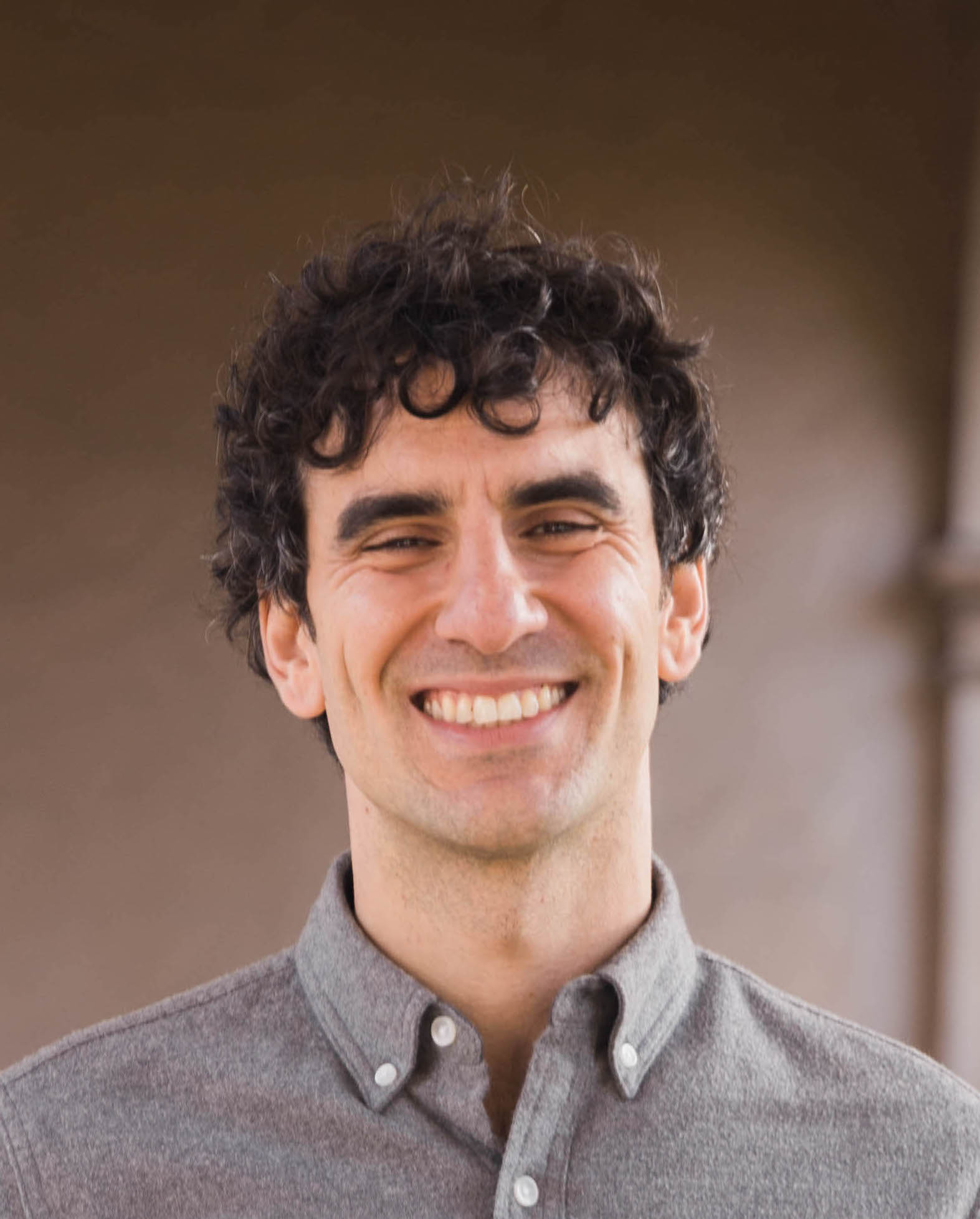
Dr. Shirag Shemmassianis the Founder of Shemmassian Academic Consulting and one of the world's foremost experts on medical residency admissions. For over 20 years, he and his team have helped thousands of students match to top residency programs using his exclusive approach.