How hard is it to get into Kaiser Medical School? Learn requirements, acceptance rate, and strategies for getting into California’s newest medical school
Everything you need to know for getting into Kaiser Permanente

What You'll Learn
Four Core Curriculum Threads
How Kaiser integrates advocacy, inclusive practice, health promotion, and interprofessional collaboration across all years of medical education.
Academic & Class Profile Benchmarks
General expectations for academic preparation, competitive GPA/MCAT benchmarks, and the background trends of matriculating students.
Coursework & PREview Exam Rules
Mandatory foundational science and humanities prerequisites, recommended electives, MCAT recency requirements, and the mandatory AAMC PREview exam.
Application Timeline & Rolling Reviews
Key deadlines for AMCAS, secondary submissions, PREview scores, rolling virtual interviews, and final commit-to-enroll dates.
Secondary Essay Strategies
Tactical frameworks for secondary prompts, including sharing personal growth from unfavorable outcomes and demonstrating alignment with health equity.
Holistic & Non-Screening Review
Understanding Kaiser’s policy of issuing secondaries to all applicants and how holistic review evaluates lived experiences and personal attributes.
Virtual MMI & Update Guidelines
Insights on navigating Kaiser’s virtual Multiple Mini Interview (MMI) format and strict standards for submitting application update letters.
----
The basics of getting into Kaiser Permanente
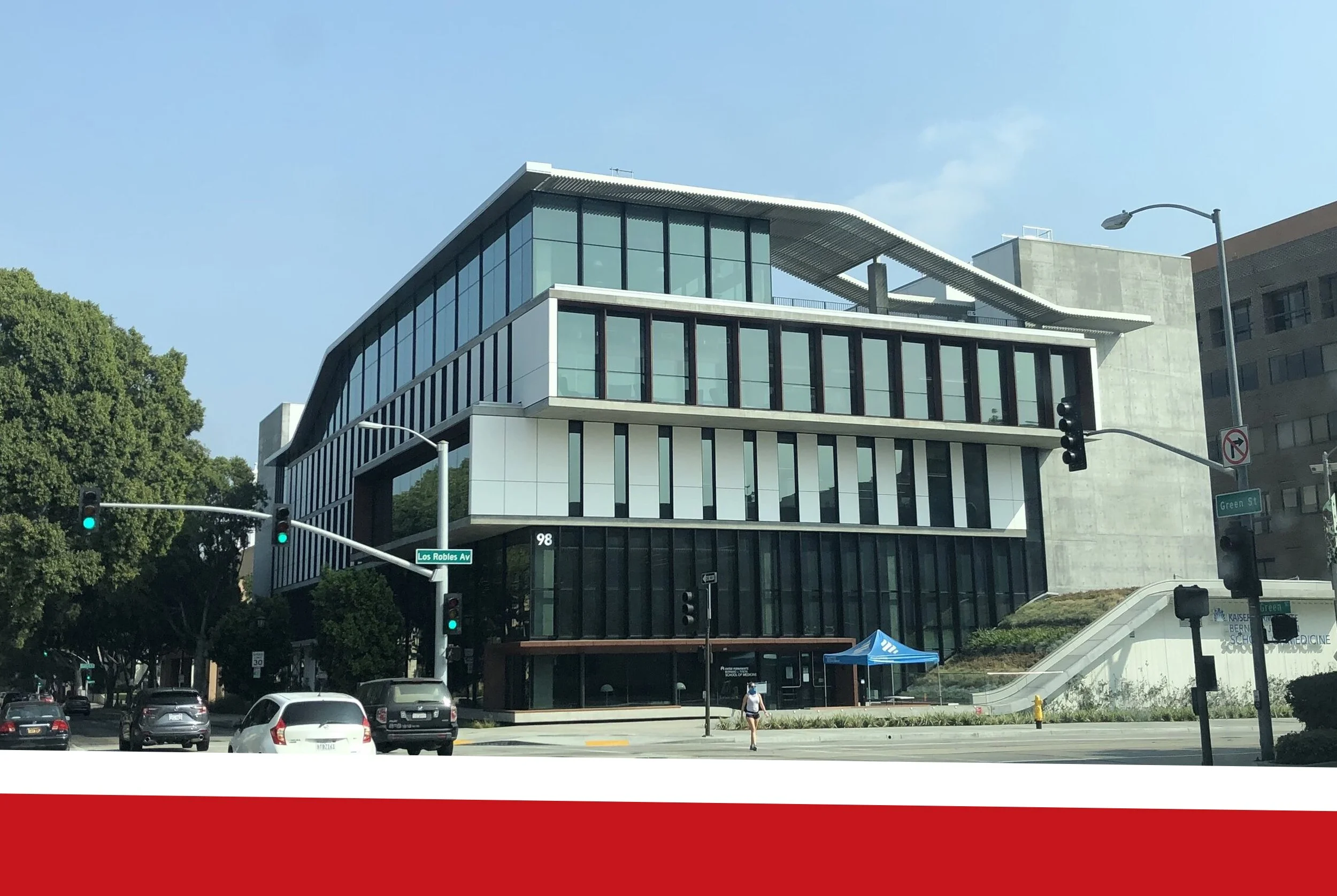
For an exceptional premed student applying to medical school, the array of choices can be staggering. Many familiar, old guard names are likely to come up in your search—Harvard, Yale, Johns Hopkins, and so on. Now applicants have a new institution to add to their lists: the Kaiser Permanente Bernard J. Tyson School of Medicine, where the inaugural class matriculated in July 2020.
More basics:
Location and clinical strength: Based in Pasadena, minutes from Los Angeles, with clinical training across seven Kaiser Permanente medical centers in Southern California.
An integrated health system: Kaiser Permanente has run residency programs since 1946 and operates one of the nation's largest integrated care and electronic-health-record systems, which shapes the school's emphasis on population health and care delivery.
Tuition-free education (for now): KPSOM waived tuition for every class enrolling through 2026 — a major draw, and one with a fast-approaching expiration date that applicants need to understand.
This guide covers everything you need to get into Kaiser Permanente Medical School, including current admissions statistics, requirements, tuition, and strategies and examples for the secondary essays and interview.
Learn everything you need to know to get into schools like Kaiser Medical School
Get our free 102-page guide to help you with every step: Get Into Medical School: 6 Practical Lessons to Stand Out and Earn Your White Coat
----
Kaiser Permanente Medical School MD programs
You can earn an MD at Kaiser Permanente through several paths, with dual-degree options offered in partnership with other Southern California institutions (you must apply to and be accepted by both schools):
Is Kaiser Permanente Medical School still free?
Yes — for now. Kaiser Permanente waives all four years of tuition and fees (including health insurance) for every class enrolling through 2026. Students in those cohorts still cover their own living expenses.
The key change for current applicants:
Students entering in fall 2027 and later will be the first to pay tuition — the waiver does not extend to them.
For the 2027–2028 first-year budget, Kaiser estimates tuition (including books and supplies) at $69,212 and a total cost of attendance of $110,387, which includes living expenses, transportation, and personal costs. (Health and disability insurance, listed at $6,313, is currently shown as waived.)
Most cost components are updated annually, so paying cohorts should expect yearly increases.
Even once tuition begins, aid is substantial. Per Kaiser's financial aid page:
All students are eligible for financial aid, and those with demonstrated need qualify for need-based, debt-free institutional aid.
External scholarships and private loans are available (KPSOM does not maintain a preferred-lender list).
Aid eligibility is assessed via the CSS Profile (due June 1) and FAFSA (due March 2). Note: Kaiser's federal Title IV application is still pending, so it does not yet have a federal school code or disburse federal aid — though students can defer existing federal loans.
A Financial Aid Officer meets with every student on budgeting and debt management.
need both an AI in the admin process section and an FAQ section
I'll verify whether Kaiser says anything about AI in admissions before writing — same grounding step as the other schools, since this is exactly the claim that needs a source rather than assumption.
Synthesized admissions data and structured dual-section response framework
Synthesized admissions data and structured dual-section response framework
Grounded and ready. As with the other schools, there's no official Kaiser statement that it uses AI to screen applicants, and no KPSOM-specific applicant AI policy — so the governing rule is the AMCAS certification, and I've written the section to reflect that accurately. Both sections are AEO-structured with hyperlinks, and would slot in as new parts before "Final thoughts."
What is the INSPIRE curriculum at Kaiser Permanente?
Kaiser Permanente teaches through its signature INSPIRE curriculum — an integrated, four-year framework built around seven tenets: Integration, Nurturance, Scholarship, Population Health, Innovation, Resilience, and Equity. Rather than teaching subjects in isolation, it uses a case-based, "spiral" design that revisits core concepts with increasing complexity over all four years, so scientific knowledge and clinical skills develop together.
A few features that distinguish it:
Three pillars: Every course integrates Biomedical Science, Clinical Science, and Health Systems Science — the last of which (how systems and relationships shape health and health equity) is a signature Kaiser emphasis.
Early clinical immersion: Students begin a Longitudinal Integrated Clerkship (LIC) in primary care in Year 1, following panels of patients over time with a consistent preceptor instead of rotating through disconnected blocks. First- and second-year LICs take place at one of seven Kaiser Permanente medical centers in greater Los Angeles (Downey, Los Angeles, Panorama City, Fontana, South Bay, Orange County, and West Los Angeles).
Four longitudinal threads: Advocacy and Leadership, Inclusive Practice, Health Promotion, and Interprofessional Collaboration run across all four years.
REACH: A quarterly wellness-and-development series (Reflection, Education, Assessment, Coaching, and Health and well-being) focused on resilience and professional identity.
Pass/fail grading: All Phase 1 (Year 1) courses are pass/fail to support well-being and a collaborative, non-competitive environment; clinical experiences in later phases move to tiered grading to allow distinction for residency applications.
Scholarly project: Every student completes a mentored scholarly project, with access to Kaiser Permanente's large research enterprise.
How good are Kaiser Permanente's residency match results?
Kaiser Permanente's graduates match into highly competitive residency programs nationwide. In the 2026 Match, Kaiser posted a 100% match rate, with 54% of students matching in California and 14% matching within the Kaiser Permanente system itself.
The top specialties graduates matched into were:
Internal Medicine
Psychiatry
Emergency Medicine
Graduates matched at institutions including:
In California: Stanford Health Care, UCSF (and UCSF–Fresno), UCLA, UC San Diego, UC Davis, UC Irvine, Keck School of Medicine of USC, Harbor-UCLA, and multiple Kaiser Permanente medical centers
Nationally: Mayo Clinic, Mass General Brigham (Brigham and Women's Hospital), Beth Israel Deaconess, NYU Grossman, Mount Sinai, Montefiore, Northwestern (McGaw), Vanderbilt, University of Washington, and the Medical College of Wisconsin
For a young school, a 100% match rate paired with placements at this caliber of program is a strong signal that Kaiser graduates are competitive for sought-after residencies.
----
How hard is it to get into Kaiser Permanente Medical School?
Kaiser Permanente is among the most selective medical schools in the country, with an estimated acceptance rate below 1% — the school enrolls roughly 50 students out of several thousand applicants each cycle. Kaiser does not publish an official acceptance rate, but the tiny class size and large applicant pool make competition fierce even without the historic tuition-waiver draw.
Kaiser Permanente Medical School class profile
Here is the official Class of 2029 profile, Kaiser's most recent matriculated class:
Class size: 50
Mean MCAT: 514 | Median MCAT: 515
Mean GPA: 3.78 | Median GPA: 3.84
Average age at admission: 24
California residents: 72%
Prior coursework: 18% completed graduate work, 16% postbaccalaureate, 27% community college
(Suggested reading: Average GPA and MCAT Score for Every Medical School)
What are the Kaiser Permanente Medical School requirements?
There are no minimum GPA or MCAT requirements, and applications are reviewed holistically — but the class profile above shows the bar is high in practice. Beyond stats, Kaiser requires:
Exams:
MCAT: Required of all applicants. For the 2026–2027 cycle, take it no later than September 2026; scores dating back to July 2024 are considered (no older than three years before matriculation).
AAMC PREview Professional Readiness Exam: Required for both MD and MD-PhD applicants (deadline November 1; no minimum score; scores don't expire). This is a distinct requirement many applicants miss.
Required coursework:
Behavioral or social science: One semester/quarter (e.g., anthropology, economics, ethnic studies, psychology, sociology)
General biology: One year with lab
General or inorganic chemistry: One year with lab
General physics: One year with lab
Humanities: One semester/quarter (e.g., art, English, history, literature, philosophy)
Recommended (not required): organic chemistry, biochemistry, calculus, statistics, public health (e.g., population health or epidemiology), and a foreign language. A bachelor's degree from an accredited U.S. or Canadian institution is required by spring of your matriculation year.
(Suggested reading: Medical School Requirements: The Definitive Guide)
What is the Kaiser Permanente application timeline?
You'll apply via AMCAS. Key dates for the 2026–2027 cycle, per Kaiser's application process and timeline pages:
Take the MCAT by: September 2026
Primary (AMCAS) application due: October 1, 2026
Secondary application due: November 1, 2026
AAMC PREview scores due: November 1, 2026
Interviews: Virtual, September 2026–February 2027 (invitations sent on a rolling basis)
Admissions offers: Rolling, from October 2026 until the class fills
Second-Look Weekend: April 2027
Final commit-to-enroll deadline: May 30, 2027 (you may hold a spot at Kaiser plus one other school until then)
Keep two things in mind. Kaiser doesn't pre-screen anyone, which means every AMCAS applicant gets a secondary invitation — including you. And since interviews and offers go out on a rolling basis, the applicants who turn things around quickly tend to have more seats available to them. That said, quickly doesn't mean carelessly. A strong essay submitted a week later will always beat a rushed one submitted tonight.
(Suggested reading: Medical School Requirements: The Definitive Guide)
The role of AI in Kaiser Permanente's admissions process
AI intersects medical school admissions in two ways: schools that use it to help review applications, and applicants who use it to prepare their materials. Here's where Kaiser Permanente actually stands on both.
Does Kaiser Permanente use AI to screen applicants?
There is no evidence that Kaiser Permanente uses AI to screen, score, or rank applicants. KPSOM describes a holistic, mission-aligned review that weighs each applicant's academic achievements, lived experiences, milestones, and personal attributes — a human process built around fit with the school's emphasis on health equity, population health, and care delivery. Notably, Kaiser doesn't even pre-screen primaries: every applicant who completes the AMCAS application is invited to the secondary, which is the opposite of an automated filtering approach. If you see a claim that Kaiser "uses AI to filter applications," treat it as unverified.
Can you use AI on your Kaiser application?
Within limits. Because Kaiser applies through AMCAS, the rule that governs your application is the AMCAS certification, and KPSOM has published no separate AI ban of its own.
What AMCAS permits: using AI tools for brainstorming, proofreading, or editing your essays
The hard line: your final submission must genuinely be your own work and reflect your own experiences
What crosses the line: having AI draft, outline, write, or rewrite your personal statement, Work and Activities entries, or secondary essays
How should you use AI on your Kaiser application?
Use AI like a mentor — for input, not authorship.
Do:
Brainstorm essay angles and secondary-essay themes
Check grammar, spelling, and clarity on a draft you wrote
Pressure-test whether a paragraph actually answers the prompt
Rehearse MMI scenarios and interview questions out loud
Don't:
Have AI generate or rewrite any part of your essays or activity descriptions
Submit AI-produced text as your own, even lightly edited
Two cautions matter regardless of policy. First, the AMCAS certification is a sworn attestation — if a school concludes an essay isn't authentically yours, that signed statement becomes the basis for an integrity concern. Second, this matters especially at Kaiser: its entire secondary is built around your lived experiences and genuine alignment with its mission. Kaiser explicitly wants applicants to show their values through real stories, not just claim them — and AI-generated prose tends to be generic and voice-less, which is exactly what fails a mission-driven, holistic reader. Write your essays yourself; reserve AI for light polishing at most. Because AI policies evolve quickly, confirm current guidance on the AMCAS Applicant Guide and Kaiser's admissions site before submitting.
(Suggested reading: The Ideal Medical School Application Timeline)
Over 90% of our students get into med school—the first time.
Get our free 102-page guide to help you with every step: Get Into Medical School: 6 Practical Lessons to Stand Out and Earn Your White Coat
----
Kaiser Permanente Medical School secondary application essays (examples included)
With your AMCAS application behind you, you can devote your energy to crafting exceptional secondary essays. These essays tell the story of who you are in a way that can’t be accomplished with grades and test scores alone, and for this reason, they’re a vital part of your Kaiser Permanente Medical School application.
The 2025–2026 Kaiser secondary prompts are listed below, as well as strategies and sample essays.
Question 1: During your career as a physician, you will likely encounter obstacles, and be required to overcome challenges. Please describe your experience with a situation that had an unfavorable outcome, including your reaction, how you might have responded differently, and what you learned about yourself. (250 words)
This is a variation on the standard "adversity prompt," but with a twist: instead of asking how you overcame an obstacle, it asks about an unfavorable outcome and how you grew from it. Keep these principles in mind:
Focus on growth — "what you learned about yourself" — not the bad outcome itself.
Don't choose an example that makes you look negligent or careless.
Show that you handled disappointment with maturity and emerged wiser, since disappointing outcomes are inevitable in medicine.
Here's an example:
For the past few years, I've volunteered for Mountain Spices, a community garden in Denver. We work with local food banks and community organizers, delivering fresh produce in warmer months to low-income residents, as well as advocating for plant-based diets. During my first year, I grew close to Hector, a program recipient, and his Boston terrier, Kermit. Hector was in his 50s and had diabetes. His left leg had been amputated, and he was wheelchair-bound. We delivered to him three times a month, discussing how a plant-based diet could improve health outcomes and help him manage his diabetes.
Hector was one of the funniest people I've ever met. We talked about the Broncos, which he loved and, if his delivery was at the end of my route, I accompanied him and Kermit outside for fresh air. I hoped we could help Hector change his situation, and while we did improve his quality of life, enabling him to manage his diabetes better, he passed away within a year. His death broke my heart. I saw that our intervention had been "too late," which made me determined to become involved in patients' lives earlier, on personal and population levels. Nevertheless, I also understood that, as a healthcare professional, sometimes the most you can do is help manage an existing illness, and I want to be the best physician I can be for that, too. I will bring this understanding of delivering unique and person-centered care to Kaiser.
Why this response works:
It chooses an "unfavorable outcome" that involves no failure or negligence on the applicant's part.
It demonstrates genuine understanding of medicine's limits and hard realities.
It channels the disappointment into exactly the population- and person-centered mindset Kaiser wants to cultivate.
Question 2: Kaiser Permanente Bernard J. Tyson School of Medicine is dedicated to graduating courageous leaders who lead change through inquiry and innovation in medical education, the profession, and the healthcare system. How do your values align with this mission? (250 words)
Question 3: Lifelong learning is an essential process for continued professional development. This includes reflection and being open and responsive to constructive feedback. Please tell us about an area of intellectual exploration you’re passionate about, and your approach to exploring this area. (250 words)
Question 4: Drawing from your lived experiences, how do you think knowledge of social determinants of health can be leveraged to address social justice issues within healthcare? (250 words)
Question 5: (Optional) Have you previously applied to medical school? If yes, please describe your accomplishments since you last applied that would promote your acceptance? (250 words)

----
Kaiser Permanente Medical School interview
An invitation to interview is cause for relief. It means that you were impressive on paper. Now they want to see how you are face-to-face, and whether your interpersonal skills make you a good match.
Here's what to expect:
Format: A hybrid model combining the MMI (Multiple Mini-Interview) and a traditional one-on-one with a faculty member.
Setting: Virtual, held September through February.
What the MMI assesses: ethical decision-making, communication, cultural humility, and problem-solving across a series of short scenarios.
Interview day also includes: a welcome from the Senior Associate Dean for Admissions and an admissions presentation.
How to prepare:
Use MMI frameworks to work through hypothetical scenarios — you can't memorize answers, but you can practice a structured approach.
Be ready to discuss any research or field you mentioned in your essays at length.
Know Kaiser's programs and mission, and tie your experiences and interests to what Kaiser specifically offers.
Stay consistent with your primary and secondary applications.
Should you send post-interview updates to Kaiser Permanente?
After your interview, strategic communication can occasionally strengthen your candidacy — but only if you have something worth sharing. Kaiser accepts updates from applicants who have interviewed, though it publishes little detail on how to submit them.
Send an update (letter of interest or intent) only if you have a meaningful development, such as:
Winning an award
Speaking at a conference
Publishing research in a respected journal
Gaining a new experience that fills a genuine gap in your application
Don't send an update if:
You've only continued the same activities already in your application
The "news" is minor (e.g., a routine grade improvement)
If you do send one:
Check the application portal first for a dedicated field; if there isn't one, ask the admissions office how to submit.
Lead with your most impressive update and keep it brief.
Connect your update — and your continued interest — to Kaiser's mission, culture, and student body, so your whole application fits together.
(Suggested reading: How to Write a Great Medical School Letter of Intent or Letter of Interest)
----
Frequently asked questions
Does Kaiser Permanente pre-screen applicants before the secondary?
No. Every applicant who completes the AMCAS primary is invited to complete the secondary application.
Does Kaiser Permanente use rolling admissions?
Yes — while application deadlines are fixed (primary October 1, secondary November 1), interview invitations and admission offers are issued on a rolling basis, so submitting early is an advantage.
What dual-degree programs does Kaiser Permanente offer?
An MD/PhD with Caltech, an MD/MPH with UCLA, and an MD/MHA with USC. You must apply to and be accepted by both institutions.
Is Kaiser Permanente Medical School accredited?
Yes. KPSOM received full accreditation from the Liaison Committee on Medical Education (LCME) in June 2024 — a five-year term, the maximum awarded to a new school.
Final thoughts
Even without the draw of a tuition waiver, the Kaiser Permanente Bernard J. Tyson School of Medicine is an exciting new choice for anyone pursuing their white coat. The Kaiser Permanente name is renowned in healthcare, and if you plan on applying to the Bernard J. Tyson School of Medicine, you’ll inevitably face tough competition.
Though the cohort is small, what will set you apart from other applicants will be the qualitative aspects of your application, such as the comprehensive picture portrayed in your secondary essays. The program will want to see that they are as right for you as you are for them. This means you’ll need to understand and appeal to the unique opportunities offered by Kaiser Permanente Medical School to seal the deal and get accepted.
About the Author
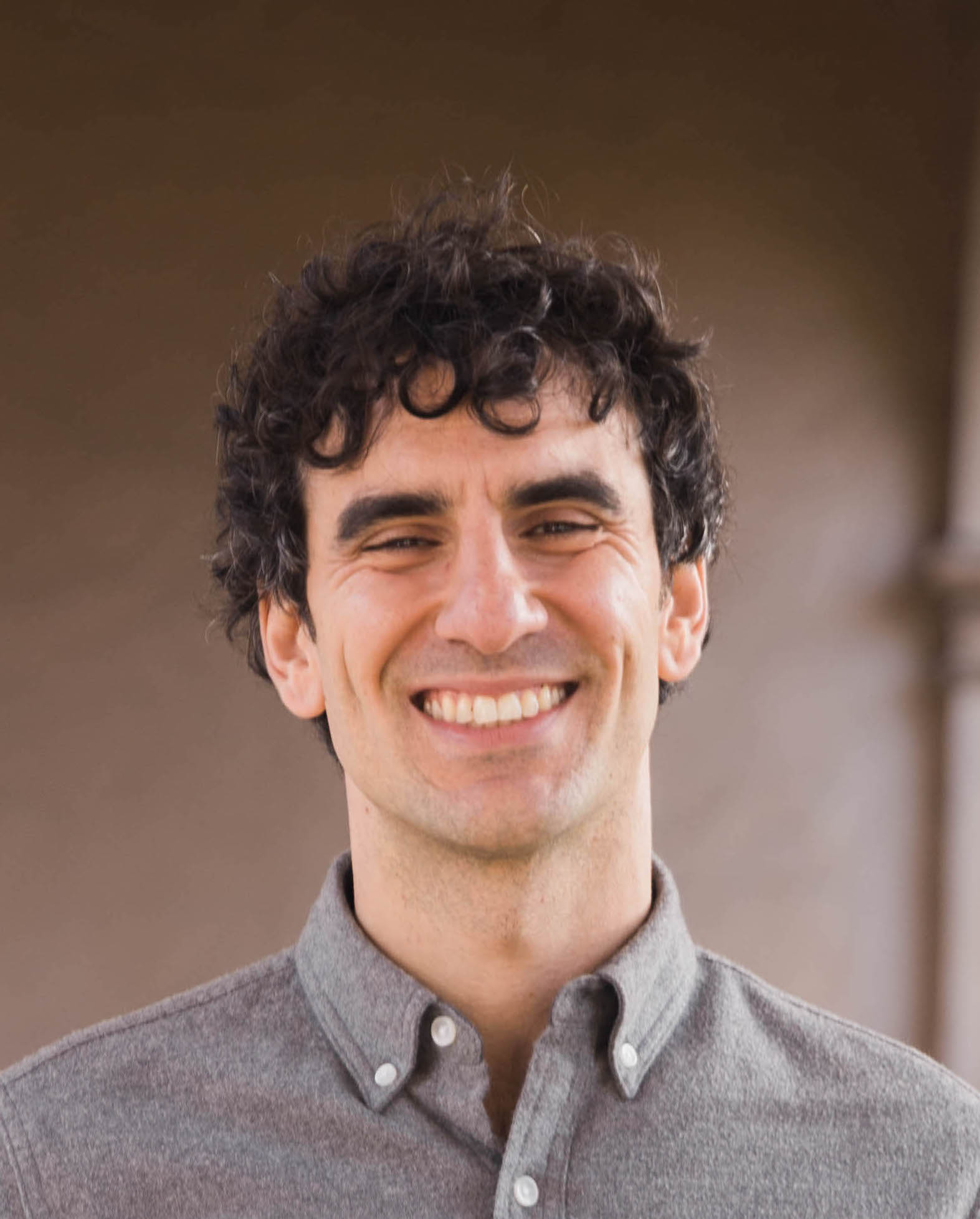
Dr. Shirag Shemmassian is the Founder of Shemmassian Academic Consulting and one of the world's foremost experts on medical school admissions. For over 20 years, he and his team have helped thousands of students get into medical school using his exclusive approach.