How to Get Into Drexel Medical School: Requirements and Strategies
Learn the Drexel medical school requirements, admissions strategies, and read sample responses to secondary essays

Drexel Medical School is highly ranked by U.S News & World Report

What You'll Learn
Drexel's Campus Locations & Network
How Drexel's regional medical campuses and diverse clinical affiliates across Pennsylvania and New Jersey offer varied patient-care settings and clinical exposure.
Curriculum Design & Active Learning
Overview of Drexel’s medical curriculum structure, emphasizing early clinical contact, small-group problem-based learning, and longitudinal patient care.
Academic Standards & Selectivity
General expectations regarding applicant academic preparation, competitive candidate profiles, and overall admissions selectivity.
Prerequisite Requirements & MCAT
Coursework expectations across foundational sciences and humanities, laboratory recommendations, citizenship guidelines, and policies regarding MCAT test dates.
Application Deadlines & Milestones
Essential timeline dates spanning AMCAS primary submission, secondary application processing, interview invitation windows, and decision notifications.
Secondary Essay Strategies
Tactical frameworks for writing Drexel’s supplemental essays, including how to highlight community service, resilience, diversity, and alignment with Drexel's mission.
Interview Format & Evaluation Criteria
Key insights into Drexel’s interview process, including what evaluators assess during candidate interviews.
The Basics of Getting into Drexel Medical School
Drexel Medical School MD programs
How hard is it to get into Drexel Medical School?
Drexel Medical School personal statement (example included)
Drexel Medical School secondary application essays (examples included)
Drexel Medical School interview
Frequently asked questions
----
The Basics of Getting into Drexel Medical School
If you’re looking to attend a large medical school with resources for every type of student, then Drexel University College of Medicine, commonly referred to as Drexel Med School, may be on your radar.
One of nine medical schools in Pennsylvania, the school boasts some of the highest application numbers nationwide without sacrificing its mission to train a dedicated student body. If you’re eager to join their ranks, it’s important to think critically about how the MD program’s curriculum is aligned with your academic goals and vice versa.
Drexel Med School is aware of its rich history and traces its roots back to the merger of two former medical institutions: Hahnemann Medical College, founded in 1848, and the Women’s Medical College, founded in 1850, as the world’s first medical college for women. The school continues to champion diversity and inclusion, with a significant number ofnontraditional students.
In this blog post, we’ll discuss Drexel’s admissions requirements as well as strategies to strengthen your application, keeping in mind the school’s identity and innovative spirit.
A number of our students get into Drexel Medical School each year. Want to learn how?
Get our free 102-page guide to help you with every step: Get Into Medical School: 6 Practical Lessons to Stand Out and Earn Your White Coat
----
Part 2: Drexel Medical School MD programs
To pursue an MD, Drexel offers several pathways:
The traditional, four-year MD Program
The MD/PhD Program, administered by the College of Medicine and its Biomedical Graduate Studies Program
The MD/MPH Program, administered by the College of Medicine and Drexel’s Dornsife School of Public Health
The MD/MBA Program, administered by the College of Medicine and Drexel’s Lebow College of Business
The MD/MS Program, administered within the College of Medicine
In this guide, we’ll focus on how to get into the traditional MD program.
Drexel College of Medicine tuition
For the 2026–2027 academic year, tuition for full-time MD students is $73,880 for the first year. Drexel encourages students to factor in program fees, miscellaneous university fees, housing, food, and personal expenses into their total cost of attendance. Additionally, for MD students who pursue alternative timelines to the typical four-year program, Drexel lists tuition rates for part-time enrollment. A detailed breakdown of tuition figures appears on Drexel’s tuition and financial aid webpage.
Drexel College of Medicine student demographics
Drexel Med School’s most recently publicized demographics relate to its class of 2028:
Female: 60%
Male: 40%
Underrepresented in Medicine: 17%
Nontraditional students: 17%
Rural students: 2%
Pennsylvania residents: 23%
Out-of-state residents: 77%
Number of students who are science majors: 87%
Number of students with other degrees: 13%
----
How hard is it to get into Drexel Medical School?
Drexel Medical School Admissions Statistics
Getting into Drexel is highly competitive. According to Drexel’s website, of the 16,547 applicants in the most recent cycle, only 305 matriculated — an acceptance rate of 1.84%. The most current academic benchmarks for the entering class are:
Average GPA: 3.76
Average MCAT: 512
Matriculants: 305
Interview invitation rate: 9.32%
Drexel Medical School Admissions Requirements
Drexel's admissions requirements cover academic metrics, testing, coursework competencies, and a few program-specific policies worth knowing upfront.
MCAT
Must have been taken within three years of application submission — for 2027 enrollment, no earlier than 2024
Drexel reviews all MCAT scores on file, not just your highest — keep this in mind if you are considering a retake
Coursework Competencies
Drexel evaluates applicants against key academic and professional competencies rather than rigid prerequisites. Demonstrated proficiency is encouraged in the following areas:
Biology — one year of college coursework suggested
Chemistry — two years suggested, including biochemistry
Physics — one course suggested
Laboratory experience — one year in biology, chemistry, or physics suggested
Statistics and probability — one course suggested, such as biostatistics
English literature, communication, or intensive writing
Behavioral and social sciences
Service orientation and community service
Meaningful clinical experience
Letters of Recommendation
Preferred: a pre-medical advisory committee letter, also called a composite letter
If unavailable: up to four individual letters accepted — two from science instructors, one from a non-science instructor, with the option for one professional letter
Additional Requirements
CASPer — required for all MD applicants; results are valid for one admissions cycle only
Citizenship — Drexel's MD program is open to U.S. citizens and permanent residents only; international applicants are not considered unless they received their undergraduate degree from Drexel University
How Drexel Is Using AI in Admissions
Beginning with the 2026–2027 application cycle, Drexel University College of Medicine officially incorporated AI into its admissions process. According to Drexel's official admissions page, AI is used alongside human reviewers to help evaluate applicants for interview consideration. Every completed application submitted to Drexel undergoes both AI-assisted and human review — and importantly, all final screening decisions remain with admissions personnel.
What this means practically for applicants:
Every application gets two sets of eyes — one automated, one human. Strong written materials need to work at both levels
Generic or AI-generated content is easier to identify than ever — admissions readers at high-volume programs develop a sharp sense for writing that lacks a genuine individual voice, and automated tools are increasingly calibrated to flag it as well
Drexel has no explicit AI policy for application essays — but AMCAS certification requirements and the school's academic integrity standards still apply; submitting AI-generated content as your own work carries real risk regardless of whether a specific policy addresses it by name
Authenticity is your strongest asset — personal statements and secondary essays that are specific, concrete, and grounded in real experience are the most effective at every stage of a process that now includes automated screening
Beyond the Requirements: How to Demonstrate Your Fit Through Experiences
In their mission statement and guiding principles, Drexel emphasizes qualities such as community involvement, a passion for service, and a commitment to improving the lives of others. Demonstrating your commitment to these values while you're a premed — or even a post-bacc student — can meaningfully strengthen your application with the admissions committee.
Here are some experiences to consider gaining before you apply:
Clinical experience — seek opportunities to shadow doctors, volunteer in hospitals or clinics, or work as an EMT. This provides valuable insight into the realities of a medical career and signals to admissions committees your commitment to patient care
Service-oriented activities — volunteer in roles directly connected to health and wellness, such as homeless shelters, food banks, crisis hotlines, or community clinics. This demonstrates empathy, an understanding of health disparities, and a commitment to giving back
Leadership roles — take initiative within extracurricular activities by stepping into leadership positions within clubs, service organizations, or teams. This showcases the responsibility and collaborative skills that strong physicians share
Drexel Medical School Application Timeline
Drexel uses AMCAS to process MD program applications. Once your application has been submitted, the admissions office will send you the supplementary application via email. Here are the important dates and deadlines for the 2026–2027 application cycle:
Standard Application
June 1, 2026: AMCAS application opens
June 1, 2026 – January 1, 2027: AMCAS application filing window
January 1, 2027: Secondary application, fee, and all supporting materials deadline
Early Decision Program (EDP)
June 1 – August 1, 2026: AMCAS application filing window for EDP applicants
August 30, 2026: Supporting materials deadline for EDP applicants
October 1, 2026: EDP decisions released
Interviews and Decisions
September 2026 – April 2027: Interviews conducted (virtual)
October 15, 2026: Regular Decision notification process begins (rolling admissions)
(Suggested reading: The Ideal Medical School Application Timeline)
Over 90% of our students get into med school—the first time.
Get our free 102-page guide to help you with every step: Get Into Medical School: 6 Practical Lessons to Stand Out and Earn Your White Coat
----
Drexel Medical School personal statement (example included)
Let’s analyze this sample personal statement for Drexel:
Some people get off to a late start in life. This wasn’t the case for me when soccer was concerned. As a teenager, I opened my eyes every morning to the sight of athletic trophies and recruiting letters from Division I colleges on my bedroom desk. I knew I’d never play in the World Cup, so getting an athletic scholarship to an ACC university was my goal—who wouldn’t want to be eighteen on a campus that had spring break weather all year long? Unfortunately, this childhood dream changed on October 17th, 2016, when I jumped up for a header against an opponent and knocked my forehead into his left ear. I knew about concussions, but I never imagined my own would change me. Suffice to say, it did. Following my recovery, I stopped being aggressive on the field. I still played soccer in college, but I kept wondering: What happened to my body that day? Could my injury have been worse?
I came to college unsure of how I’d balance soccer with my premed course requirements. I stumbled out of the gate at first. I was competing not only with myself to get good grades, but also with upperclassmen on the team, to whom I was the “freshman too cocky for his own good.” This all came to a head when I suddenly found my backpack missing from my hotel room following an away game—a joke meant to chastise me for putting my attention into academics. I managed to explain to the team how much medicine meant to me, and to promise them that I would respect practice times as well, and we were able to move on together.
I really want to know how bodies worked. This led me to my summer internship at a sports medical research institute at a neighborhood university following my sophomore year. For three months, I trained in the weight room in the morning and in the orthopaedic laboratory during the day, where my team was completing stem cell research to reassess and innovate procedures. This experience—in addition to studying for the MCAT in the evenings—taught me self-discipline. Plus, my interests in sports and medicine were no longer in two separate silos.
Sports has a way of bringing people together and so does medicine. During my junior year, I was responsible for my team’s fundraising for a local Boys and Girls Club chapter, and I made sure our programming provided the kids with tutorials about fitness and nutrition. I’m excited to do similar work in med school. In the spring of my junior year, I shadowed a sports physician who specializes in preventative care. He was the favorite “doc” of some local professional athletes. This experience taught me that even privileged people also benefit from a doctor who’s a good listener. I also learned that doctors sometimes need to be “patient” with some patients, and practice humility all the time.
I always think about how my concussion could’ve been worse, or about what would have happened if I hadn’t gone straight to the emergency room. Where would I be now? In addition to saving lives and improving the wellbeing of their patients, doctors can double as life coaches, therapists, and friends when people need them most. I want my World Cup experience to be a life-long career practicing medicine.
When you're drafting your AMCAS personal statement for Drexel, it's important to keep two things in mind:
The MD program receives a lot of applications.
The MD program’s supplementary application gives little direction for how an applicant can enhance their application in the form of secondary essays (we’ll discuss this below).
What's successful about this personal statement?
Strong work ethic narrative — Beyond his passion for soccer, the applicant explains how he balanced college athletics with his academics. This positions him as a self-motivator — a quality any admissions committee will find compelling.
Key competencies are implied, not listed — By referencing his physician shadowing and research lab experience, the applicant signals to admissions readers that he's checked the boxes on Drexel's recommended coursework and experience competencies without making it feel like a checklist.
Genuine intellectual curiosity — The applicant opens and closes with questions, signaling to the committee that he's a thoughtful, engaged student who will seek out opportunities proactively — including at Drexel's affiliated healthcare centers.
Built-in adversity essay — The personal statement does double duty by weaving in how the applicant overcame a personal injury. Rather than waiting for a separate adversity prompt, he uses the personal statement itself to demonstrate grit and determination — qualities that resonate strongly with Drexel's commitment to nontraditional and resilient students.
----
Drexel Medical School secondary application essays (examples included)
In addition to the AMCAS application, Drexel’s admissions committee requests that applicants submit a secondary application, which includes written responses to a few essay questions. Below are tips on how to respond.
Question 1: Tell us about yourself and why you feel like you may be a good fit for Drexel University College of Medicine.
This "Why us" question is your opportunity to make a compelling case for why you and Drexel are perfect for each other. Unlike generic "Why do you want to be a doctor?" prompts, this question specifically asks you to connect your background and interests to what makes Drexel unique. This is your chance to really explain how you fit with Drexel’s program and mission.
Before you put pen to paper, make sure you explore Drexel's mission statement, any features of the curriculum that stand out to you, any partnerships or programs in the community that Drexel supports, and even student demographics. The idea is to look for specific elements that resonate with your experiences and goals.
And remember, this isn't just about why you want Drexel—it's about what you'll contribute. Highlight experiences, skills, or perspectives that would enhance their student body and align with their institutional values.
Let’s look at an example essay.
My interest in Drexel is rooted in the institution's commitment to compassionate care. Through my work as an MA at Bethlehem Medical Group (BMG), where I interact with patients on a daily basis, I consistently witnessed the profound impact of empathy in healthcare—from physicians taking extra time to explain lab results in plain terms to patients leaving visibly relieved after being heard and validated. I believe medicine involves understanding patients on a holistic level—a value I see echoed at Drexel.
Growing up in a bilingual, multicultural household in Allentown, PA reinforced the significance of understanding and respecting different backgrounds. I am committed to contributing to a diverse and inclusive medical community that reflects the patients we serve. At Drexel, I’m excited to work within Philadelphia’s culturally diverse neighborhoods, where I can continue building trust and rapport across backgrounds.
Additionally, my experiences in group projects, as a leader at Camp Faith, and working closely with healthcare professionals volunteering at Star Homes have equipped me with strong interpersonal and collaboration skills. Knowing that effective healthcare delivery often requires coordinated efforts, I am excited by Drexel’s cooperative education program to gain hands-on experience while refining my clinical skills.
Ultimately, as I am dedicated to embodying empathy, equity, and patient-centered care in my medical career, I believe that Drexel is a strong fit for me.
Why it works:
Demonstrates mission alignment — Rather than simply stating interest in Drexel, the writer connects their personal experiences directly to the school's institutional identity, making the fit feel genuine rather than generic.
Opens with specificity — The essay references Drexel's "commitment to compassionate care" immediately and backs it up with real-world context from their work as an MA at BMG, showing they understand what that value looks like in practice.
Connects background to Drexel's diversity mission — Growing up in a bilingual household is tied directly to Drexel's emphasis on diversity and the writer's goal of working with culturally diverse populations in Philadelphia — framing personal history as a future asset to the community.
Shows intention to give back — The essay doesn't just explain why Drexel is good for the applicant; it makes clear what the applicant intends to contribute to the Drexel campus community, which is exactly what admissions committees want to see.
Question 2: We recognize that each applicant’s journey is unique. If there were any extenuating circumstances that limited your involvement in service, academic, or other preparatory experiences—including MCAT preparation/taking—please share them here. If none, simply type “N/A” in the response area. (1500 characters)
Question 3: If you have applied to medical school before, reflect on any meaningful experiences, growth, or updates that you feel have enhanced your application since the last time you applied. If this is your first application cycle, simply type “N/A” in the response area. (1500 characters)
----

----
Drexel Medical School interview
In the most recent admissions cycle, Drexel invited approximately 1,473 applicants to interview — roughly 8.9% of total applicants. If you receive an invitation, it means you've cleared a significant hurdle; the interview is your opportunity to make a personal case for why you and Drexel are the right fit.
Interviews for the 2026–2027 application cycle are conducted virtually. Applicants will not come to campus to interview; detailed instructions on the virtual format are provided after you schedule your interview slot. Applicants selected for an interview receive an email from the Office of Admissions, after which they complete a competency grid and schedule through Drexel's online scheduling system. Interviews are conducted September through April, and no applicant may be accepted without completing one.
Prepare as you would for any medical school interview — but with a specific focus on Drexel's mission, curriculum, history, and affiliated healthcare centers. Admissions officers want to know not just why you want to be a physician, but why Drexel specifically, and what you will contribute to their campus community and the broader Philadelphia healthcare environment.
Common questions applicants encounter include:
What do you see as a challenge for your career in medicine?
Why did you choose to apply to Drexel?
Tell me about yourself.
Why do you want to be a doctor?
What is one topic or issue currently facing our modern healthcare system?
Tell me about a stressful time in your life. What did you learn from it?
What is one challenge you think you will face in medical school?
Tell me about your interest in medicine and how your experiences have shaped it.
What does your support system look like?
Most candidates prepare thoroughly for "Why us?" and "Why medicine?" — but questions like "Tell me about your interest in medicine and how your experiences have shaped it" and "What is one topic or issue currently facing our modern healthcare system?" reward deeper preparation. These are opportunities to weave in specific knowledge of Drexel's research focus, its commitment to serving Philadelphia's diverse communities, and your own vision for contributing to both.
(Suggested reading:How to Ace Your Medical School Interviews)
----
Frequently asked questions
Can I apply to Drexel if I have a low GPA or MCAT score?
Drexel takes a holistic approach to admissions, so no single metric is automatically disqualifying. That said, the class of 2028 averaged a 3.69 GPA and a 511 MCAT — applicants who fall meaningfully below those benchmarks will need to compensate with an especially strong application in other areas, such as clinical experience, research, community service, and compelling essays.
Does Drexel accept reapplicants?
Yes. Drexel's secondary application includes a prompt specifically for reapplicants, asking them to reflect on meaningful growth, new experiences, or updates since their last application cycle. A thoughtful, honest response to that question — one that demonstrates genuine development rather than simply resubmitting — can make a reapplication competitive.
How long does it take to hear back after submitting a Drexel secondary application?
Drexel operates on a rolling admissions basis, meaning applications are reviewed as they are completed rather than all at once after a deadline. Submitting early in the cycle — and completing your secondary promptly after receiving it — meaningfully improves your chances of an interview invitation and a favorable admissions decision.
What are Drexel's two campuses, and does it matter which one I'm assigned to?
Drexel operates two campuses: Philadelphia and Reading-Tower Health. Applicants do not select a campus preference at the time of application — campus preference is collected after an offer of admission is accepted. The school makes every effort to honor first-choice preferences, but assignment is not guaranteed. Both campuses reflect the same mission, values, and curriculum.
Does Drexel use AI to review applications?
Yes — beginning with the 2026–2027 admissions cycle, Drexel officially incorporated AI into its initial screening process. AI is used alongside human reviewers to help evaluate applicants for interview consideration, but all final decisions remain with admissions personnel. Every completed application receives both AI-assisted and human review.
Final thoughts
Drexel Medical School wants its matriculants to represent different corners of the nation. As an applicant, make sure the admissions committee knows how you stand out from the pack, and good luck!
About the Author
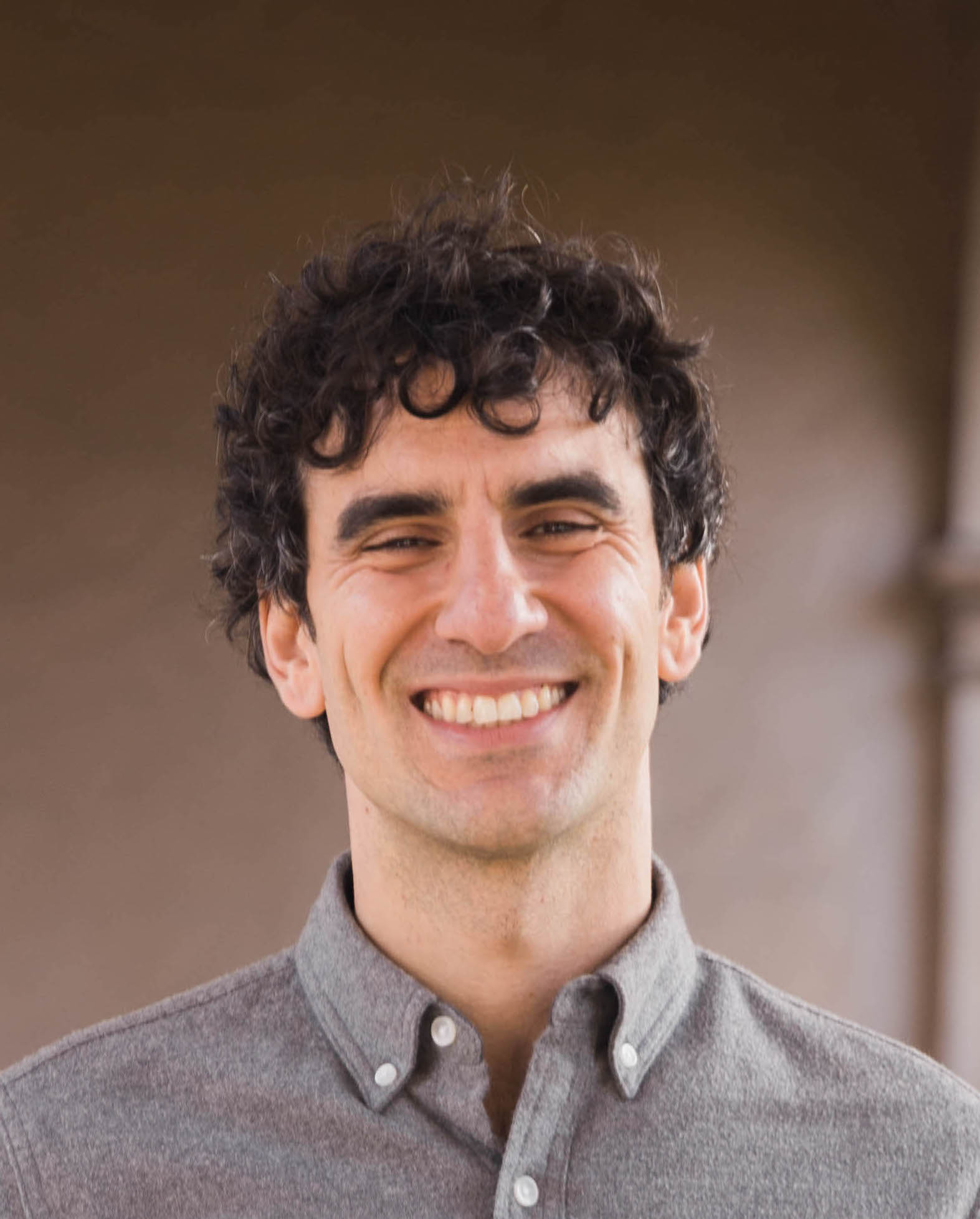
Dr. Shirag Shemmassian is the Founder of Shemmassian Academic Consulting and one of the world's foremost experts on medical school admissions. For over 20 years, he and his team have helped thousands of students get into medical school using his exclusive approach.
THERE'S NO REASON TO STRUGGLE THROUGH THE MED SCHOOL ADMISSIONS PROCESS ALONE, ESPECIALLY WITH SO MUCH ON THE LINE. SCHEDULE YOUR COMPLIMENTARY CONSULTATION TO ENSURE YOU LEAVE NOTHING TO CHANCE.