How hard is it to get into Duke University School of Medicine? Learn the Duke Medical School acceptance rate and requirements, plus read Duke secondary essay examples

Duke University School of Medicine is consistently one of the highest-ranked medical schools in the U.S.

What You'll Learn
Duke’s Unique Curriculum Model
How Duke's condensed basic science curriculum allows students to enter clinical rotations early and dedicate an entire year to scholarly research or dual degrees.
Academic Standards & Benchmarks
General expectations regarding applicant academic preparation, competitive candidate profiles, and overall admissions selectivity.
Prerequisite Options & Competencies
Flexible coursework requirements across foundational sciences, laboratory expectations, humanities recommendations, and policies regarding MCAT test validity.
Application Timeline & Key Dates
Critical milestones across the application cycle, from initial AMCAS submission and secondary processing to interview windows and acceptance notifications.
Secondary Essay Strategies
Tactical frameworks for navigating Duke’s extensive secondary prompts by demonstrating advocacy, critical thinking, resilience, leadership, and health equity engagement.
Primary Care Leadership Track (PCLT)
Understanding specialized program offerings, including community-engaged learning and distinct application expectations for specialized tracks.
Interview Format & Evaluation Criteria
Key insights into Duke’s interview format, including how evaluators assess candidate interpersonal skills, alignment with school values, and readiness.
----
What you should know first about Duke Medical School
Getting into Duke University School of Medicine requires more than a stellar GPA and MCAT score — it demands a deep understanding of what makes Duke distinct and an application that reflects genuine alignment with its mission. Here's what sets Duke apart from its top-ranked peers:
An innovative, accelerated curriculum — Duke's MD program compresses core science training into the first year, allowing students to begin working directly with patients earlier than at most other medical schools
A dedicated research year — third-year students devote an entire year to independent scholarly work, making Duke one of the few medical schools where research is built into the curriculum rather than treated as an extracurricular
Elite research infrastructure — Duke ranks third in the country for NIH funding and sits at the center of Research Triangle Park, the largest research park in the U.S.
A rare combination of prestige and location — Duke is one of only two top-ten medical schools in the South, and despite being founded in 1930, it has established itself as one of the youngest institutions to consistently rank at that level
If you're a high-achieving pre-med with Duke on your list, this guide covers everything you need to know — from admissions statistics and application requirements to secondary essay strategy and interview preparation.
A number of our students get into Duke Medical School each year. Want to learn how?
Get our free 102-page guide to help you with every step: Get Into Medical School: 6 Practical Lessons to Stand Out and Earn Your White Coat
----
Duke Medical School MD programs
Duke offers students several paths toward a medical degree:
The traditional four-year MD program
The Medical Scientist Training Program (MD/PhD)
Dual degree options including MD/MPH, MD/MPP, MD/MBA, and MD/JD, among others — approximately 40% of Duke medical students graduate with a dual degree, pursued during the flexible third year
Duke's MD curriculum is structured around three distinct phases, with a standout feature being the dedicated third year for independent scholarly work. Students use this year to pursue research, complete a dual degree, or dive deep into a clinical or academic area of interest. Two key programs shape the broader Duke MD experience:
Primary Care Leadership Track (PCLT) — a four-year track for students committed to primary care, combining leadership training, a longitudinal integrated clerkship in the second year, community health service, and third-year research in population health. Interest can be noted on the Duke supplemental application; students formally apply during their first year.
Leadership Education and Development (LEAD) Curriculum — a four-year longitudinal program required for all Duke MD students. LEAD develops emotional intelligence, integrity, teamwork, critical thinking, and selfless service through lectures, workshops, team-based learning, and clinical skills coaching across all years of training. It is built on the Duke Healthcare Leadership Model and is designed to produce physician leaders — not just clinicians.
Duke Medical School Tuition
For the 2026–2027 academic year, first-year tuition at Duke School of Medicine is $72,297, with a total estimated cost of attendance of $110,892 when housing, food, fees, and other living expenses are included. Tuition is the same for all students regardless of state residency, as Duke is a private institution.
----
How hard is it to get into Duke Medical School?
Duke Medical School admissions statistics
With a matriculation rate of just 2.2%, getting into Duke School of Medicine certainly isn’t easy. Let’s examine the admissions numbers for the class of 2027:
Applications: 8,285
Complete applications: 5,452
Interviews: 624 (11.4%)
Matriculants: 119
Median GPA: 3.9
Median MCAT score: 520
(Suggested reading: Average GPA and MCAT Score for Every Medical School)
Duke Medical School admissions requirements
Getting into Duke is extremely competitive. According to Duke's 2025 admissions statistics, the most recent entering class reflects just how selective the process is:
Applications indicating MD: 9,234
Complete applications submitted: 6,106
Interviews: 642
Matriculants: 123
Median GPA: 3.95
Median MCAT score: 520
Duke emphasizes a "broad and balanced" interdisciplinary education, so coursework outside the sciences is viewed positively, not just as a checkbox. An MCAT score is required for all applicants. According to Duke's admissions FAQ, the following MCAT guidelines apply for the 2026–2027 cycle:
Minimum score: 500 — Duke sets a floor, but the median matriculant score is 520, so competitive applicants should aim well above the minimum
Score cutoff date: MCAT tests must have been completed by September 13, 2025 to be considered for the 2026–2027 cycle
Oldest accepted score: MCATs must be no older than four years at the time of application — meaning no earlier than January 2022
Multiple attempts: Duke reviews all MCAT scores on file but uses the highest single attempt rather than combining scores across sittings
Retaking the MCAT: If you plan to retake, note it in your application — Duke will re-evaluate your application once the new score is submitted, provided a decision has not already been made
Duke Medical School Admissions Requirements
Duke takes a broad, competency-based approach to prerequisites without requiring specific courses. That said, Duke's academic expectations make clear that competitive applicants should demonstrate preparation in the following areas:
Biochemistry
Cellular biology
Statistics/biostatistics
Physics
Sociology
Psychology
Expository writing
Duke emphasizes a "broad and balanced" interdisciplinary education, so coursework outside the sciences is viewed positively, not just as a checkbox.
Duke Medical School Application Timeline
Below are the key dates and deadlines for the 2026-2027 application cycle:
June 28: AMCAS transmits verified applications to medical schools
July–October 15: Duke receives completed and verified AMCAS applications
Mid-August: Duke sends secondary application invitations
July–November 16: Duke secondary application deadline (11:59 PM EST)
Late August–Early January: Interview invitations sent
September–February: Virtual interview season
February 2026: Final decisions released — accepted applicants receive personal calls; waitlisted and declined applicants receive emails
May 1, 2026: Deadline to select "Plan to Enroll" and submit non-refundable tuition deposit
June 15, 2026: Final "Commit to Enroll" deadline; all other offers must be withdrawn
Unlike many medical schools, Duke does not pre-screen applicants. Once your AMCAS application is verified, you will receive a secondary application invitation. Duke also releases all admissions decisions in February rather than on a rolling basis, but submitting early still matters, as interview slots fill throughout the fall.
(Suggested reading: The Ideal Medical School Application Timeline)
----
Question 3: Not achieving a goal or one’s desire can sometimes be disheartening. What have you discovered from your setbacks and disappointments and how does this translate to your current way of thinking? (400 words)
Question 4: What do you value most as a leader and as a contributor? What attributes do you possess as a leader and as a team member and how do you apply them on a daily basis? (400 words)
Question 5: Critical thinking involves a number of characteristics. Research experience enhances critical analysis skills. Describe any research experience or similar experience in which you utilized critical thinking. How will critical thinking be important in your future career? (400 words)
Question 6: Potential sources of health inequities exist. Duke’s Moments to Movement (M2M) is a collective stand to address these issues. Discuss your experience with disparities in health, health care and society. (400 words)
Question 7: Drawing from your clinical experiences, how have you fostered a connection with people? (400 words)
Question 8: (Optional) Please let us know of any additional information that you would like us to consider while reviewing your application. (400 words)
For PCLT (Primary Care Leadership Track) applicants:
Question 1: PCLT values community engagement. What is your understanding of community engagement and its value? How does community-engagement impact either research or working in a community to improve health outcomes? (250 words)
Question 2: What distinguishes you from other applicants to the PCLT program? (250 words)

Duke Medical School Secondary Application Essays (Examples Included)
Duke's secondary application is notoriously long and features a number of unique prompts, so it's a good idea to get started ahead of time.
Duke notes that the secondary application is an important component of their holistic application review. The wide range of required prompts, many of which focus on demonstrating personal characteristics, signals that they are looking to your secondary essays to better understand who you are as a person, what unique life experiences you'll bring to the table, and what you have to offer beyond excellent grades and test scores. They also want to ensure that you have clear, well-thought-out reasons for committing yourself to medicine and serving others.
Below, we'll walk you through each of Duke's secondary essay prompts, offering strategies for tackling each essay as well as real-life example essays that worked.
This prompt appears before the other questions below:
Share with us your story. This is your opportunity to allow us to know how you wish to be addressed, recognized and treated. (500 words)
Question 1: Trust and rapport are essential in your day-to-day interactions with people. How do you cultivate a relationship with a person who may be very different from you? (400 words)
Question 2: Describe a situation in which you chose to advocate for someone who was different from you or for a cause or idea that was different from yours. Define your view of advocacy. What risks, if any, might be associated with your choice to be an advocate? (400 words)
Duke highlights through this prompt that there's more to medicine than diagnosing and treating illness; being a physician also comes with a social responsibility. Physicians must work to empower patients and improve access to healthcare, whether on an individual or societal level.
In brainstorming topics for this prompt, consider times when you've stood up for the rights of others, helped someone find their voice, or enabled them to access something they needed.
Since many applicants understandably think of volunteer experiences for this essay, keep in mind that not all volunteer work necessarily involves being an advocate. For example, serving meals to the unhoused, while worthwhile, may not in and of itself be viewed as advocacy. On the other hand, accompanying an unhoused individual to appointments or helping them fill out paperwork might better fit the bill of "empowering others."
Here's an example that works:
Toby turns his computer towards me. "Does this look good?" I nod as I read the email, which confirms his extra time accommodations for an English in-class essay. I can tell he's unconvinced as he hesitates to send it. Toby is typically apprehensive when approaching teachers and worries that his classmates find his learning differences weird. Despite these fears, I encourage him to ask for help when struggling in class, assuring him that I will proofread his emails so that he can feel confident. I give Toby a thumbs up and remind him that using his voice is something to be proud of. "I used to be nervous talking to teachers," I tell him. "Different learning is not bad learning! Just because Beyoncé has a vocal coach doesn't mean she's a bad singer." Toby hits send.
Though I myself have not experienced the physical challenges of having cerebral palsy nor the social anxiety and distractibility associated with ADHD, I still support Toby's goals by leading with empathy. I advocate for Toby every day by learning from his perspectives, encouraging him to identify and communicate his views, and anchoring him through difficult academic and social experiences.
Coming from an all-boys K-8 in Los Angeles that espoused speaking up for the voiceless, my understanding of advocacy was previously limited to providing services to the underserved and increasing education around inequities. Working as a personal aide with Toby has since expanded this definition. I've learned that advocacy comprises inherently selfless actions that focus on guiding people to feel empowered by their own decisions. It means empathetic listening first, then providing advice if called for. It requires challenging internal biases. In addition to sharing his experiences with disability, Toby has taught me about the nuanced manifestations of ableism: "toxic positivity," viewing disabled people as broken humans who need to be fixed, and savior complexes are all harmful. I try to reflect upon and unlearn any attitudes that veer towards ableism and incorporate disability awareness into conversations with family and friends.
Being an advocate risks facing conflict with those who don't believe in your cause. Not everyone will prioritize your advocacy goals, but this extra effort is worth it when you know that you've helped someone else. As a physician, I will encounter patients with varied conditions and health determinants; I will approach every individual with empathy and a readiness to support their health decisions.
Why it works:
Leads with a specific, vivid scene — rather than describing the work in general terms, the student opens with a concrete moment that immediately shows what advocacy looks like in practice, letting the reader draw their own conclusions rather than being told what to think
Defines advocacy in their own words — the student directly addresses the prompt by articulating what advocacy means to them and tracing how that definition evolved through real experience, showing genuine reflection rather than a surface-level response
Centers empathy as a throughline — by grounding the essay in empathy, the student connects their experience to a core quality of effective physicians, demonstrating both self-awareness and a deeper understanding of what medicine requires
Closes with a forward-looking connection to medicine — the essay doesn't end with the anecdote; it explicitly ties the lessons learned to their future role as a physician, giving the response a clear sense of purpose and direction
Question 3: Not achieving a goal or one’s desire can sometimes be disheartening. What have you discovered from your setbacks and disappointments and how does this translate to your current way of thinking? (400 words)
Question 4: What do you value most as a leader and as a contributor? What attributes do you possess as a leader and as a team member and how do you apply them on a daily basis? (400 words)
Question 5: Critical thinking involves a number of characteristics. Research experience enhances critical analysis skills. Describe any research experience or similar experience in which you utilized critical thinking. How will critical thinking be important in your future career? (400 words)
Question 6: Potential sources of health inequities exist. Duke’s Moments to Movement (M2M) is a collective stand to address these issues. Discuss your experience with disparities in health, health care and society. (400 words)
Question 7: Drawing from your clinical experiences, how have you fostered a connection with people? (400 words)
Question 8: (Optional) Please let us know of any additional information that you would like us to consider while reviewing your application. (400 words)
For PCLT (Primary Care Leadership Track) applicants:
Question 1: PCLT values community engagement. What is your understanding of community engagement and its value? How does community-engagement impact either research or working in a community to improve health outcomes? (250 words)
Question 2: What distinguishes you from other applicants to the PCLT program? (250 words)
----
Duke Medical School interviews
Being invited to interview at Duke Medical School is an accomplishment in and of itself. Of the over 6,000 applications submitted in 2025, just over 600 made it to the interview stage.
Duke’s website notes that you should think of your interview day as a window through which you can assess fit. Just as they hope to get a sense of “the depth of your intellectual curiosity, commitment to a career of service, and ethical values,” you should approach the interview as an opportunity to learn as much as you can about whether Duke matches what you’re looking for in a medical program.
Duke uses an MMI interview format; all interviews are to be held virtually in the 2024-25 application cycle. Your Duke MMI interview will consist of eight interview stations: five ethical scenarios, two traditional interviews, one team scenario (visited twice), and a video interview station. Each station will take about nine minutes to complete, and your performance at each station will be assessed by different faculty, staff, or student raters who are members of Duke’s admissions committee.
To help you prepare, we’ve provided a comprehensive guide to acing the MMI interview, which includes strategies for thinking through each type of station, example answers, and 150 practice questions.
On the Sunday before your MMI, you’ll also have the opportunity to take a virtual campus tour, plus panels and breakout sessions that will allow you to learn more about Duke.
(Suggested reading: How to Ace Medical School Interviews (Questions Included))
----
Frequently asked questions
Does Duke Medical School accept international students?
Yes, with conditions. According to Duke's admissions FAQ, international students are considered for the MD program provided they have completed an undergraduate degree from an accredited U.S. or Canadian university. If the degree is from a non-U.S. institution, at least two years of coursework at a U.S.-accredited university is required. Note that the MD/PhD program does not consider international candidates. Financial aid is limited for non-U.S. citizens.
What does Duke's interview format look like?
Duke uses a virtual Multiple Mini Interview (MMI) format, conducted Monday through Thursday from mid-September through the end of January. MMI raters are blinded to your application prior to the interview. If selected, you will receive an email with further details and your application status will update to reflect the invitation.
Is Duke a good fit for research-focused applicants?
Yes — Duke is particularly well suited for applicants with serious research interests. The curriculum's dedicated third year exists specifically for independent scholarly work, and approximately 40% of Duke medical students graduate with a dual degree. Duke also ranks third in the country for NIH funding, giving students access to exceptional research infrastructure across virtually every field of medicine.
Does Duke favor applicants from North Carolina?
No. As a private institution, Duke does not give preference to in-state applicants the way public medical schools typically do. According to Duke's admissions statistics page, the 2025 entering class drew students from 66 different universities and 28 states, with interviewees coming from 47 different states.
When should I submit my application to Duke?
As early as possible. According to Duke's important dates page, the AMCAS application window opens July 1 and the secondary application deadline is November 16 at 11:59 PM EST. While Duke releases all admissions decisions in February rather than on a rolling basis, interview slots fill throughout the fall — submitting early gives you the strongest possible position in the cycle.
Final thoughts
Getting into a medical school of Duke’s caliber can seem like a formidable challenge, especially when it requires you to write numerous lengthy essays. However, graduating with an MD from Duke is well worth the effort and will provide you with countless opportunities along the way. Start early and take the time to write application essays that highlight what makes you unique and which demonstrate your commitments to service and intellectual rigor. By following the advice in this guide, you’ll be one step closer to opening an acceptance letter from Duke School of Medicine.
About the Author
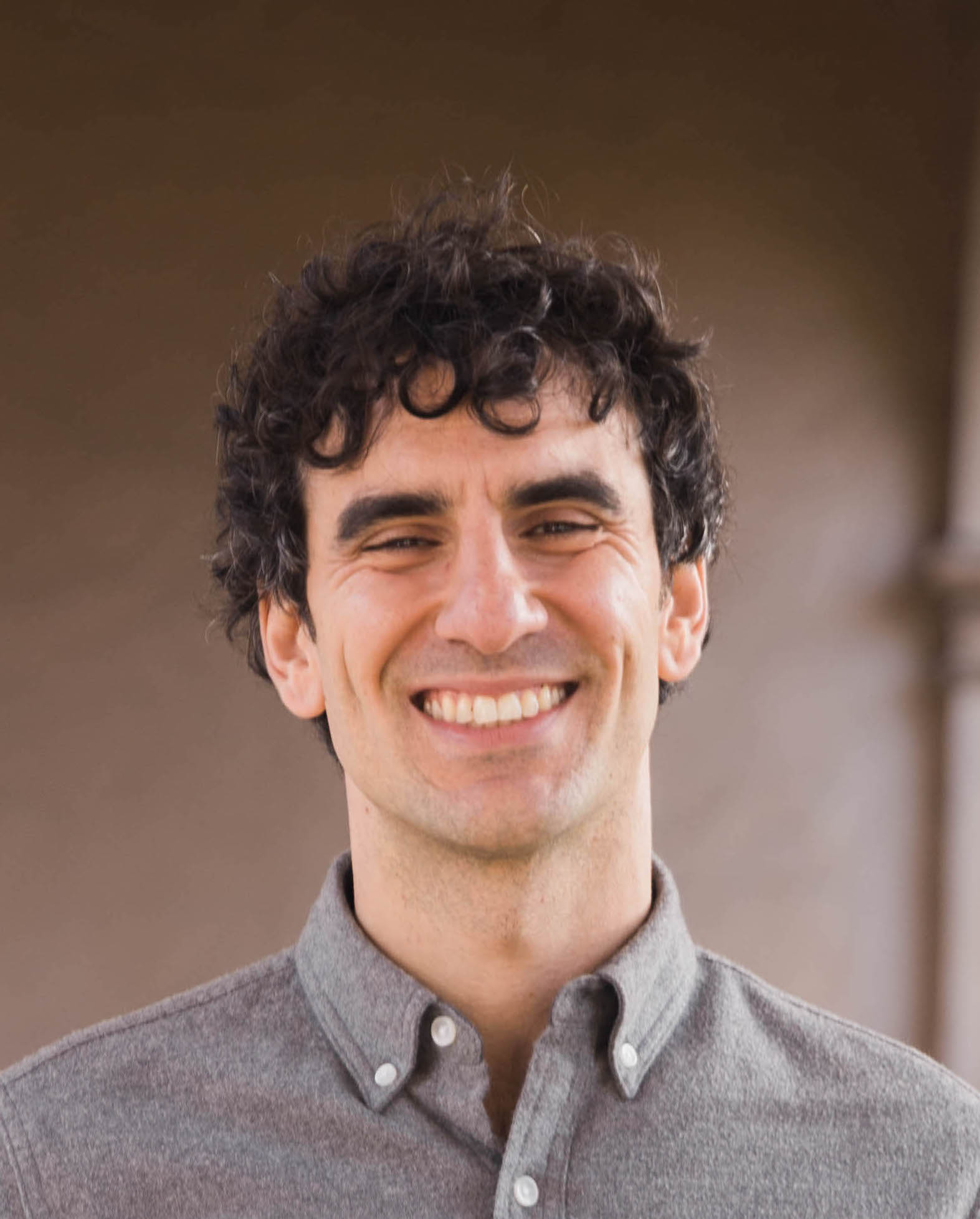
Dr. Shirag Shemmassian is the Founder of Shemmassian Academic Consulting and one of the world's foremost experts on medical school admissions. For over 20 years, he and his team have helped thousands of students get into medical school using his exclusive approach.
THERE'S NO REASON TO STRUGGLE THROUGH THE MED SCHOOL ADMISSIONS PROCESS ALONE, ESPECIALLY WITH SO MUCH ON THE LINE. SCHEDULE YOUR COMPLIMENTARY CONSULTATION TO ENSURE YOU LEAVE NOTHING TO CHANCE.