How Long is the USMLE? A Complete Breakdown
Learn how long each USMLE exam lasts, when you'll take each step, and how the licensing timeline fits into medical school and residency.

----
USMLE overview
You’ve finally adjusted to medical school when someone asks, “When are you taking Step 1?”
Before long, you’re hearing about Step 2 Clinical Knowledge (CK), dedicated study periods, and licensing exams stretching across multiple years of training.
The United States Medical Licensing Examination (USMLE) isn’t a single test. It’s a three-step licensing sequence that most physicians complete over several years, beginning in medical school and ending during residency.
The purpose of the USMLE is straightforward: to determine whether physicians have the medical knowledge and clinical skills necessary to practice medicine safely. To do that, the exam sequence evaluates everything from foundational science concepts to patient management and clinical decision-making.
If you’re wondering how long the USMLE takes, the answer depends on what you’re asking. Are you wondering how many hours you’ll spend testing on exam day? How long you’ll need to study? Or how many years it takes to complete the entire licensing sequence?
In this guide, we’ll break down how long each USMLE exam takes, when students typically take them, how much preparation is usually required, and what the overall timeline looks like from medical school through residency.
(Suggested reading: The Best USMLE Prep Books in 2026)
Ready to build your ERAS application?
Enter your name and email for our free workbook—the exercises we use to help applicants turn years of experiences into one cohesive application.
----
How long is the USMLE?
The USMLE is sponsored by the National Board of Medical Examiners (NBME) and consists of three separate exams that are completed at different stages of training.
| Exam | Testing Time | Typical Timing |
|---|---|---|
| Step 1 | ~8 hours | Pre-clinical years |
| Step 2 CK | ~9 hours | Clinical years |
| Step 3 | 2 days (~16 hours total) | Residency |
At first glance, that means you’ll spend roughly 30 hours taking the USMLE exams. In reality, however, most students think about the USMLE in terms of years rather than hours. From the beginning of Step 1 preparation to completion of Step 3, the licensing process often spans four to eight years, depending on your training pathway, residency schedule, and career goals.
The USMLE is challenging, but the good news is that you won’t be preparing for all three exams at once. Each step is designed to align with a specific stage of medical training, allowing you to focus on one major milestone at a time.
----
USMLE Step 1
For many students, Step 1 is the first major licensing exam they encounter and often the first time they spend an entire day in a testing center.
Step 1 assesses your understanding of the foundational sciences that support the practice of medicine, including anatomy, physiology, pathology, pharmacology, microbiology, and biochemistry. Rather than testing isolated facts, the exam evaluates your ability to apply scientific concepts to clinical scenarios.
Although Step 1 transitioned to pass/fail in 2022, it remains an important milestone. Passing demonstrates that you’ve developed the scientific foundation necessary to begin clinical training and care for patients under supervision.
How long is Step 1?
Step 1 lasts approximately eight hours. The exam consists of seven one-hour blocks containing up to 280 multiple-choice questions total. Most blocks contain no more than 40 questions.
Throughout the day, you’ll also receive break time distributed between blocks. While eight hours may sound intimidating, understanding the structure ahead of time can make the experience feel much more manageable.
When do students take Step 1?
Most students take Step 1 after completing the pre-clinical portion of medical school, often near the end of their second year. By this point, you’ve typically completed coursework covering the foundational sciences tested on the exam.
How long should you study for Step 1?
The answer depends on how you define “study.” In one sense, you’ve been preparing for Step 1 throughout your entire pre-clinical curriculum. Every lecture, lab, and practice question contributes to the knowledge base you’ll eventually draw from on exam day.
Most students also complete a dedicated study period immediately before the exam. This dedicated period typically lasts four to eight weeks, though some students may need more or less time depending on their baseline performance and practice exam results.
----
USMLE Step 2 Clinical Knowledge (CK)
While Step 1 focuses on foundational sciences, Step 2 CK focuses on applying medical knowledge to patient care. The exam assesses your ability to diagnose, manage, and prevent disease using the clinical knowledge you’ve developed throughout medical school.
Many students view Step 2 CK as a more clinically relevant exam because the questions are centered around diagnosing and managing real-world patient scenarios. Rather than asking whether you understand a concept in isolation, Step 2 CK asks whether you can apply that knowledge in a clinical setting.
How long is Step 2 CK?
Step 2 CK is a one-day examination that lasts approximately nine hours.
As of May 2026, the exam is divided into sixteen 30-minute blocks administered during a single testing session. Each block contains up to 20 multiple-choice questions, and the exam includes a minimum of 55 minutes of break time plus a brief optional tutorial.
The overall testing time is similar to previous versions of the exam, and you’ll still spend most of the day answering clinical questions. As a result, endurance and time management remain important parts of preparation.
When do students take Step 2 CK?
Most students take Step 2 CK during their third or fourth year of medical school after completing many of their core clinical rotations.
Because Step 2 CK remains numerically scored and plays an important role in applying for residency, many students aim to complete the exam before submitting their residency applications. Taking the exam early enough to receive a score before application season can help ensure residency programs have access to one of the most important academic metrics in your application.
How long should you study for Step 2 CK?
Many students spend four to eight weeks in a dedicated study period before Step 2 CK.
Like Step 1, preparation for Step 2 CK often begins long before dedicated starts. Every clinical rotation, shelf exam, and patient encounter contributes to your preparation. By the time you begin dedicated study, you’ll already have spent months applying clinical knowledge in real-world settings.
Because of this cumulative preparation, many students find that Step 2 CK studying feels less like cramming new material and more like refining and strengthening knowledge they’ve already developed during their clinical years.
----
USMLE Step 3
Step 3 is the final hurdle in the USMLE licensing sequence and the last examination physicians must pass before becoming eligible for unrestricted medical licensure. Unlike Step 1 and Step 2 CK, which are taken during medical school, Step 3 is usually completed during residency.
While the earlier USMLE exams focus on foundational sciences and supervised clinical decision-making, Step 3 evaluates whether you can apply medical knowledge to manage patients safely and effectively as a physician in practice. As a result, many of the questions emphasize patient management, clinical decision-making, and continuity of care.
How long is Step 3?
Step 3 is unique because it’s administered across two separate testing days.
Day 1: Foundations of Independent Practice (FIP)
Approximately seven hours
Multiple-choice questions
Focuses on the foundational medical knowledge, diagnostic reasoning, and patient management
Day 2: Advanced Clinical Medicine (ACM)
Approximately nine hours
Multiple-choice questions
Computer-based case simulations (CCS)
The CCS portion is one of the most distinctive aspects of Step 3. Rather than simply selecting an answer choice, you’ll manage virtual patients by ordering tests, initiating treatments, and making clinical decisions over simulated periods of time.
Combined, most examinees spend roughly 16 hours testing across the two days, making Step 3 the longest exam in the USMLE sequence.
When is Step 3 taken?
Most physicians take Step 3 during their first or second year of residency (PGY-1 or PGY-2). The exact timing depends on several factors, including:
Residency program requirements
Specialty
State licensing requirements
Personal scheduling preferences
Unlike Step 1 and Step 2 CK, you’ll likely be balancing Step 3 preparation alongside clinical responsibilities, overnight call schedules, and patient care. Because of these competing demands, many residents spend time planning when to take Step 3 well before they begin studying.
How long should you study for Step 3?
Most residents spend anywhere from several weeks to a few months preparing for Step 3. The amount of prep you’ll need depends on:
Your clinical experience
Specialty training
Time available outside residency duties
Prior performance on Step 1 and Step 2 CK
One advantage of taking Step 3 during residency is that your daily clinical work reinforces many of the concepts tested on the exam. By the time you sit for Step 3, you’ve likely spent months caring for patients, developing clinical judgment, and making real-world medical decisions. As a result, many residents find that Step 3 prep feels like refining knowledge they’re already using in practice.
----
How long does it take to complete the entire USMLE?
Although you’ll spend only about 30 hours taking the exams themselves, the complete USMLE sequence usually spans several years.
For many students, the process takes approximately four to six years from Step 1 prep to Step 3 completion. However, there’s no single timeline that applies to everyone.
What can extend the timeline?
Not every physician follows the same path, and that’s completely normal. Your timeline may be longer if you:
Pursue an MD-PhD or other dual-degree program
Complete a research year
Take a leave of absence
Delay Step 3 during residency
Follow specialty-specific training requirements
Take additional time for personal or family circumstances
For example, an MD student who progresses directly through medical school and residency may complete the USMLE sequence in four to six years, while a student who completes an MD-PhD program or takes one or more research years may spend closer to eight years completing all three exams.
Because every training pathway is different, it’s best to think of the USMLE as a series of milestones rather than a fixed schedule. Your exact timeline may vary, but the overall progression remains the same: foundational sciences in medical school, clinical knowledge during rotations, and independent patient management during residency.
----
Frequently asked questions about the USMLE
How many hours is the USMLE altogether?
The three USMLE exams require roughly 30 hours of testing time combined—about eight hours for Step 1, nine hours for Step 2 CK, and approximately 13 hours over two days for Step 3. However, those 30 hours represent only the exams themselves. Most medical students spend hundreds of hours preparing for each step over the course of several years.
Is the USMLE harder than MCAT?
For most students, yes, but the comparison isn't entirely fair.
The MCAT is designed to assess whether you're ready to begin medical school. The USMLE measures whether you've developed the knowledge and clinical reasoning skills necessary to progress through medical training and, ultimately, practice medicine safely.
By the time you take Step 1 or Step 2 CK, you'll be responsible for a much larger body of knowledge than you encountered while studying for the MCAT. More importantly, you'll be expected to apply that knowledge to diagnose patients, interpret clinical findings, and make management decisions rather than simply recall scientific concepts.
That said, you'll also have the benefit of years of medical education behind you. Although many students find the USMLE more academically demanding than the MCAT, they also enter the exam with significantly more preparation and clinical context than they had as premeds.
Can I take all USMLE exams during medical school?
No. Most medical students complete Step 1 after their pre-clinical curriculum and Step 2 CK during their clinical years, often before applying to residency. Step 3, however, is generally taken after graduating from medical school during residency training.
Because each exam builds on the knowledge and responsibilities of the previous stage of training, the USMLE is designed to be completed over several years rather than all at once.
What happens if I fail a USMLE exam?
Failing a USMLE exam can feel discouraging, but it doesn't mean your medical career is over.
Every year, thousands of medical students don't pass a USMLE exam on their first attempt. While a failing score can delay your timeline and may make you a less competitive applicant for some residency programs, many students go on to pass the exam on a later attempt and successfully match into residency. Official USMLE performance data include repeat examinees each year, demonstrating that many physicians ultimately complete the licensing sequence after an initial setback.
If you fail a USMLE exam, your first priority should be understanding why. Was your study schedule too short? Did your practice exam scores suggest you weren't yet ready? Were test anxiety, burnout, or personal circumstances affecting your performance?
Before scheduling a retake, take time to reassess your study strategy, identify knowledge gaps, and seek support from faculty advisors, academic support services, or trusted mentors. A more targeted study plan can make a significant difference on your next attempt.
While residency programs generally prefer applicants who pass each USMLE exam on the first try, a single failure does not automatically prevent you from becoming a physician. Strong subsequent performance, thoughtful reflection, and a demonstrated ability to overcome setbacks can help strengthen your application.
How long should I study for the USMLE?
There isn't a one-size-fits-all study timeline.
How long you'll need to prepare depends on several factors, including your baseline knowledge, learning style, practice exam performance, and the amount of uninterrupted study time you have available.
Many students spend four to eight weeks in a dedicated study period before taking Step 1 or Step 2 CK. However, that dedicated period is only part of the preparation process. By the time you begin dedicated studying, you've likely spent months—or even years—building the foundational knowledge you'll rely on during the exam.
Step 3 preparation often looks different. Because most physicians take Step 3 during residency, studying usually occurs alongside clinical responsibilities over the course of several weeks or months.
Final thoughts
The USMLE can seem overwhelming when viewed as a single process, but you’ll never be preparing for all three exams at the same time. Instead, think of the USMLE as a series of milestones that align with your medical training. Step 1 builds your scientific foundation, Step 2 CK evaluates your clinical knowledge, and Step 3 focuses on independent patient care.
While the licensing sequence often spans four to eight years, most students find that each exam becomes more manageable when they focus on the next step rather than the entire journey. Understanding the timeline can help you plan ahead, reduce anxiety, and approach each stage of training with confidence.
THERE'S NO REASON TO STRUGGLE THROUGH THE HIGH-STAKES MEDICAL RESIDENCY APPLICATION PROCESS ALONE. CLICK BELOW TO SCHEDULE YOUR COMPLIMENTARY CONSULTATION TO ENSURE YOU LEAVE NOTHING TO CHANCE.
About the Author
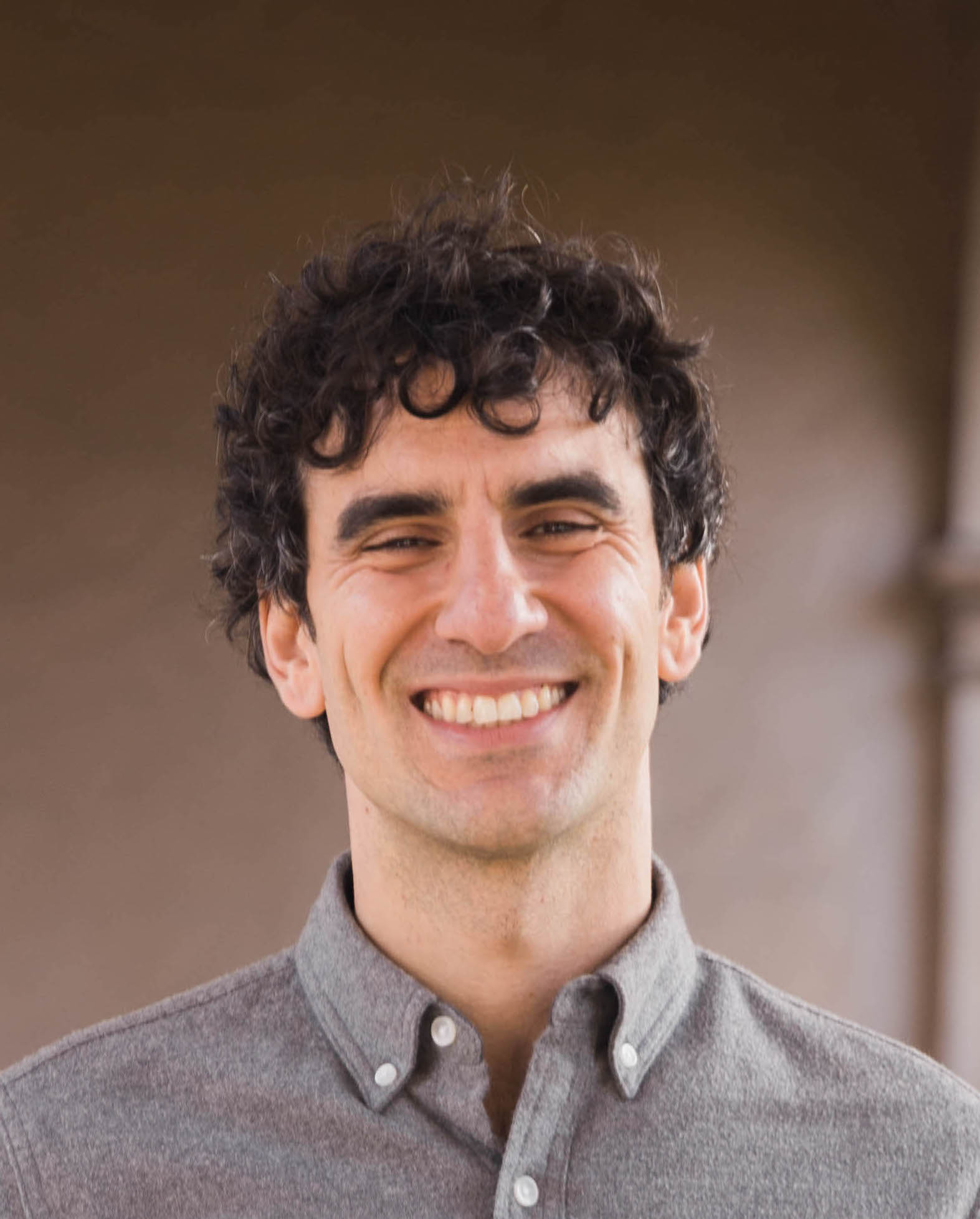
Dr. Shirag Shemmassianis the Founder of Shemmassian Academic Consulting and one of the world's foremost experts on medical residency admissions. For over 20 years, he and his team have helped thousands of students match to top residency programs using his exclusive approach.