New York Medical College: Acceptance Rate, Secondary and Interview Strategies (2026)
New York Medical College has an average MCAT of 516 and average GPA of 3.77. Learn what it takes to get in — including interview prep, secondary essays, and admissions strategies for 2026.

New York Medical College is ranked Tier 3 by U.S. News and World Report for best medical schools (Research)

What You'll Learn
NYMC Core Values & Mission Fit
How New York Medical College’s commitment to inclusive humanistic care, service, and public health defines its culture and candidate expectations.
Academic Standards & Competitiveness
General expectations regarding applicant academic preparation, competitive candidate GPA and MCAT profiles, and overall admissions selectivity trends.
Prerequisite Coursework & MCAT Rules
Required science and humanities background, laboratory guidelines, CASPer test requirements, and score validity windows for the MCAT.
Curriculum Structure & Clinical Affiliations
Key features of the medical curriculum, clinical skills training, major teaching hospital networks, and available joint degree programs.
Application Timeline & Deadlines
Critical application milestones, from AMCAS primary submission and secondary application processing through interview invitation windows and final notifications.
Secondary Essay Writing Strategies
Tactical approaches for addressing NYMC supplemental essay prompts by highlighting personal resilience, diversity of thought, and alignment with the school’s clinical focus.
Interview Day Structure & Preparation
Insights into NYMC’s interview format, evaluative criteria, and best practices for demonstrating professionalism and institutional fit.
New York Medical College: overview and mission
New York Medical College quick facts
New York Medical College Dual Degree Programs (MD-PhD, MD-MBA)
New York Medical College tuition and financial aid
New York Medical College requirements and class profile: GPA and MCAT
New York Medical College MCAT and CASPer exams
New York Medical College secondary essays: prompts and strategies
New York Medical College MMI interview: what to expect and how to prepare
New York Medical College frequently asked questions
----
New York Medical College: overview and mission
Located just twenty minutes outside of New York City in Valhalla, New York, New York Medical College is a private medical school that is a part of the Touro College and University System. One of 17 New York medical schools, NYMC gives students the opportunity to rotate through numerous clinical sites in various states. Training institutions include large urban academic medical centers, small practices in suburban neighborhoods, and rural care centers. The main hospitals that students will rotate at are the Westchester Medical Center, the Maria Fareri Children’s Hospital, and the Metropolitan Hospital Center. These affiliated institutions are located throughout the East Coast; students can rotate in New York, New Jersey, Connecticut, and West Virginia.
New York Medical College has an extensive number of faculty that are actively involved in clinical practice, research, community service, public health, education, and administration. Additionally, New York Medical College provides medical students early exposure to community-based primary care practice with the goal of instituting foundational principles in medicine from the very beginning of these future clinicians’ careers. In addition to the school’s emphasis on teaching students about patients in their own community, NYMC provides students with the opportunity to observe and practice international health through its exchange programs with four foreign medical schools in Japan, Korea, Hungary, and Israel. At these various sites abroad, students have the opportunity to complete electives required for graduation. New York Medical College also has a robust student life; students can participate in clubs and organizations oriented towards various career paths, community service, cultural and religious affiliations, and recreational interests.
If you hope to join the next group of New York Medical College medical school graduates, this guide will serve as a helpful resource to ensure that you are fully informed and prepared to successfully apply to New York Medical College.
A number of students get into New York Medical College each year. Want to learn how?
Get our free 102-page guide to help you with every step: Get Into Medical School: 6 Practical Lessons to Stand Out and Earn Your White Coat
----
| New York Medical College Quick Facts | |
|---|---|
| Acceptance Rate | |
| Applicants | |
| Interviews | |
| Matriculants | |
| Avg. GPA | |
| Avg. MCAT | |
| Tuition (2026–2027) | |
| First-Year Cost of Attendance |
----
New York Medical College Dual Degree Programs (MD-PhD, MD-MBA)
You have a few avenues through which you can graduate with a medical degree from New York Medical College. Many students will elect to complete their MD degree exclusively and graduate in four years. Other students will opt for one of the two available joint degree programs:
MD/PhD program: Students who want to explore research and are interested in a future career as a physician-scientist should apply to the joint MD/PhD program, which is obtained through studying at both New York Medical College’s School of Medicine and Graduate School of Basic Medical Sciences. Students will most often complete both degrees in 6–7 years and will be supported through free tuition and a living stipend throughout their academic pursuit.
MD/MPH program: Students with a keen interest in public health should apply to the MPH program after they have been accepted to the MD program. The MPH is obtained by completing coursework at New York Medical College’s School of Health Sciences and Practice. Students will complete both degrees in either four or five years.
----
New York Medical College tuition and financial aid
You know by now that medical school isn’t cheap, but rather a hefty investment you’ll be taking on. Tuition and fees for the NYMC MD program for the 2026–2027 academic year are $71,714, with the total four-year cost of the MD program coming in at $282,944 based on official bursar data. When factoring in room and board, personal living expenses, and health insurance, the total cost of attendance grows to about $98,560 for students living in campus housing and $106,130 for students living off-campus. As a private institution, NYMC charges the same tuition for all students regardless of state of residence; there is no in-state or out-of-state tuition differential, which is worth factoring into your school list if you are a New York resident comparing NYMC to public options like SUNY Downstate or Stony Brook.
On the financial aid side, Federal Direct Unsubsidized Loans and Graduate PLUS Loans are available to eligible students, and NYMC also participates in the Armed Forces Health Professions Scholarship Program, which covers direct educational costs including tuition, fees, and books, plus a stipend for living expenses, in exchange for military service, through all three branches of the armed forces. For the most current scholarship details, visit NYMC's Financial Aid page directly, as figures are updated annually each spring.
----
New York Medical College requirements and class profile: GPA and MCAT
Although they do not disclose exact acceptance rates, New York Medical School is considered competitive for admission. To develop a better understanding of the benchmarks typical of New York Medical College students, let’s take a look at the most recently reported New York Medical College admission statistics for the class of 2029:
Applications: 9,525
Matriculants: 233 (60.1% in-state)
The most recent GPA and MCAT scores we have are for the class of 2028:
Average GPA: 3.77
Average MCAT score: 516
(Suggested reading: Average GPA and MCAT Score for Every Medical School)
New York Medical College admissions requirements
To apply to New York Medical College, you must complete the following course requirements:
English: 2 semesters or equivalent
General biology: 2 semesters or equivalent with lab
Physics: 2 semesters or equivalent with lab
General chemistry: 2 semesters or equivalent with lab
Organic chemistry: 1 semester or equivalent with lab
Biochemistry: 1 semester or equivalent, with or without lab
NYMC is a competitive program for admission, which can be seen in the expected MCAT scores and GPAs; admitted students boast an average MCAT score of 516 and an average undergraduate GPA of 3.77.
The School of Medicine at NYMC currently enrolls 908 students across all four years, supported by 1,654 faculty members. For the Class of 2029, NYMC received 9,525 applications, of which 233 matriculated. According to the NYMC website, the class of 2028 is as follows: first-year students represent 94 different undergraduate institutions and 33 U.S. states. The first-year class is 47% male and 53% female, with an average age of 27. This is a great reminder that, if you have taken a gap year to strengthen clinical experience or build a more compelling candidacy, NYMC welcomes you as an applicant.
When you’re considering medical school, you’ll naturally be considering eventual residency. This is where NYMC shines. On the outcomes side, NYMC boasts a high residency match rate, with the top specialties chosen by the Class of 2026 including internal medicine, surgery, emergency medicine, psychiatry, anesthesiology, neurology, orthopaedic surgery, and radiology.
The New York Medical College screens applicants comprehensively by evaluating their academic achievements, prior experiences, and attributes evident in their application. In addition to the primary and supplementary applications, students must take the Casper examination. The Casper test is a 90-minute situational judgment test that is administered electronically. You can find more information about how to prepare for it by reading our Casper guide.
Be aware that, if you have attended a different medical school prior, have withdrawn from a different medical school, or have ever been dismissed from a different medical school, you will not be considered for acceptance at New York Medical College.
Note that, in the 2026–2027 application cycle, applicants must have taken the MCAT between January 2024 to September 2026.
The New York Medical College supplemental application requires you to ensure that your letters of recommendation are uploaded through the AMCAS letter service by January 31, 2026. You can either submit an undergraduate pre-medical committee letter or three individual letters. If you opt to submit the three individual letters, two letters must be from the science faculty that have taught you and your third letter must also be an academic letter but does not necessarily have to be from a science faculty. Of the three letters, one of your letters must be the department responsible for your major of choice.
(Suggested reading: Medical School Requirements: The Definitive Guide)
Holistic applications: Demonstrating the qualities New York Medical College looks for
The mission statement of New York Medical College mentions its purpose of educating “clinical and public health professionals as well as researchers, to conduct biomedical and population-based research.” When determining how to satisfy their requirements so that you have the best chance of acceptance, it’s important to think ahead and consider activities you might engage in to demonstrate your fit with their mission of research.
New York Medical College seeks applicants who are not only research-oriented but also demonstrate a genuine commitment to the medical field and possess the humanistic qualities essential to becoming a compassionate physician through their holistic review process.
Here are a few suggestions for extracurriculars to showcase the qualities they look for.
Research: Participation in scientific research, especially if related to healthcare or medicine, highlights your dedication to understanding the intricacies of the field. If you get involved in a research project, aim for presentations or publications, as this will underscore your in-depth involvement. Many premeds seek out summer undergraduate research opportunities as a way to enhance their research profile.
Clinical Experience: Seek out opportunities that directly expose you to patient care. This could include volunteering at hospitals, clinics, or shadowing physicians in various specialties. Hands-on clinical exposure helps confirm your interest in medicine and demonstrates your willingness to go beyond the classroom.
Volunteer Work: Community service demonstrates your compassion and your desire to help others. Look for volunteer opportunities that align with healthcare, such as working with underserved populations or health awareness campaigns.
New York Medical College application timeline
To apply to New York Medical College, you’ll submit your AMCAS application in accordance with the following dates:
May 1, 2026: AMCAS application opens
May 28, 2025: AMCAS application can be submitted
August 1, 2026: AMCAS application deadline for Early Decision
August 31, 2026: NYMC secondary application for Early Decision
September 2026–March 2027: Interviews conducted
October 1, 2026: Early Decisions applicants notified by this date
December 15, 2026: AMCAS application deadline
January 31, 2027: NYMC secondary application deadline
Because New York Medical College has rolling admissions, you should plan to submit your AMCAS and secondary applications as soon as you can. All applicants will receive a secondary application as soon as their AMCAS application is in.
(Suggested reading: The Ideal Medical School Application Timeline)
Over 90% of our students get into med school—the first time.
Get our free 102-page guide to help you with every step: Get Into Medical School: 6 Practical Lessons to Stand Out and Earn Your White Coat
----
New York Medical College MCAT and CASPer exams
NYMC requires you to provide an MCAT score taken within the last three years; the school will only accept scores from January 2024 through September 2026, with no exceptions. The admissions committee reviews your most recent MCAT score. If you’ve taken the exam more than once, don’t stress: retaking the exam is not considered a liability. With an average MCAT score for accepted students hovering around 516, competition is stiff.
However, your candidacy is not only your score; NYMC uses a holistic review process and looks for a balance of personal attributes alongside academic metrics, meaning a strong MCAT score is necessary but not sufficient on its own. If your score falls below 516, a compelling application narrative, meaningful clinical experience, and demonstrated service can help offset the gap (though the further below the average you are, the harder that case becomes to make).
As if taking the MCAT isn’t stressful enough, all applicants to NYMC are also required to complete CASPer (Computer-Assisted Sampling of Personal Characteristics) as part of the pre-screening process before interview invitations are issued. NYMC’s admissions committee uses CASPer results to evaluate personal qualities including ethics, empathy, cultural sensitivity, collaboration, resiliency, and adaptability. In practical terms, this means your CASPer score can determine whether you receive an interview invitation in the first place, making it a higher-stakes component of the NYMC application than many applicants realize.
What should you expect when taking CASPer? The test consists of a series of video- and text-based scenarios to which you respond under timed conditions. The key is not to have perfectly polished answers but to demonstrate thoughtful reasoning under pressure. Given that NYMC's supplemental application is very short and contains no additional essays, CASPer and the MMI together carry the weight of revealing who you are beyond your transcript; treat both with the preparation they deserve. This is a great opportunity to show the admissions committee who you are as a candidate, rather than just your stats.
----
New York Medical College secondary essays: prompts and strategies
When you open your NYMC supplemental application, you’ll encounter a few simple questions about family members who have affiliations with NYMC, plus a question pertaining to the school’s social media policy. However, in most years, the NYMC supplemental application does not require you to actually write any essays.
You can find NYMC’s supplemental application instructions for the 2025-2026 application cycle here.
----
New York Medical College MMI interview: what to expect and how to prepare
If you are invited to interview at NYMC, preparation is key. NYMC uses the Multiple Mini Interview (MMI) format, where you will move through a circuit of short, carefully timed scenario-based stations. The scenarios are neither knowledge-based nor necessarily clinically oriented; they are designed to evaluate your personal attributes based on the interpersonal and intrapersonal core competencies for entering medical students endorsed by the AAMC. Specifically, NYMC uses a classic MMI format with 6–8 stations, each 6–8 minutes long, designed to assess ethics, cultural competence, and critical thinking under pressure.
Don’t stress out too much about “right” or “wrong” answers to memorize or have on hand for the interview. Rather than looking for a single "right" answer, assessors focus on how you engage with a prompt, structure your reasoning, and communicate under time constraints. Interviewers may include faculty, alumni, medical students, and professionals from diverse backgrounds, and applicants receive interview invitations each year through NYMC's rolling admissions process, meaning you could be invited at any point in the cycle.
When you receive it, you will realize that NYMC's secondary application is quite short. Because of this, your MMI performance carries significant weight in the admissions decision. Expect scenarios that mirror real issues in NYMC's backyard. For instance, you might be asked to outline a harm reduction strategy for a community facing opioid overdoses, or reason through a resource allocation problem. The common thread is ethical agility and community-aware judgment. For a full breakdown of MMI station types, preparation strategies, and sample questions, see our comprehensive MMI Interview Guide.
----
New York Medical College frequently asked questions
What MCAT score do I need for New York Medical College?
On average, admitted students had an MCAT score of 516.
What GPA do you need to get into New York Medical College?
Reported average GPA for the class of 2028 was 3.77.
Does New York Medical College require CASPer?
Yes, NYMC requires applicants to complete the Casper exam. This should be completed in time to submit scores with your supplemental application.
What is the interview format at New York Medical College?
NYMC uses the MMI (multiple mini interview) format. Check out our comprehensive guide on what to expect and how to prepare for the MMI here.
Does New York Medical College prefer in-state applicants?
Yes. Although over 30 states are represented in the 2028 class profile, 60% of matriculants were in-state.
Does NYMC have rolling admissions?
Yes, NYMC accepts applicants on a rolling basis.
What dual degree programs does NYMC offer?
New York Medical College offers two joint degrees: an MD/PhD and an MD/MPH.
Is New York Medical College a good medical school?
Yes, NYMC is considered a strong medical school. It is ranked Tier 2 in Primary Care and Tier 3 in Research by the U.S. News and World Report.
Final thoughts
New York Medical College offers students a wide range of training opportunities in tertiary care academic hospitals and rural health clinics. Students will also have the opportunity to experience New York City, given the school’s close proximity to the metropolitan hub. As a New York Medical College student, you can expect to have the opportunity to delve deep into clinical experiences, research opportunities, and community service.
Moreover, given that the New York Medical College supplemental application does not require additional essays to demonstrate your specific interest in the program, it is important that you prepare for the MMI and interview day to make sure you stand out from the other competitive applicants.
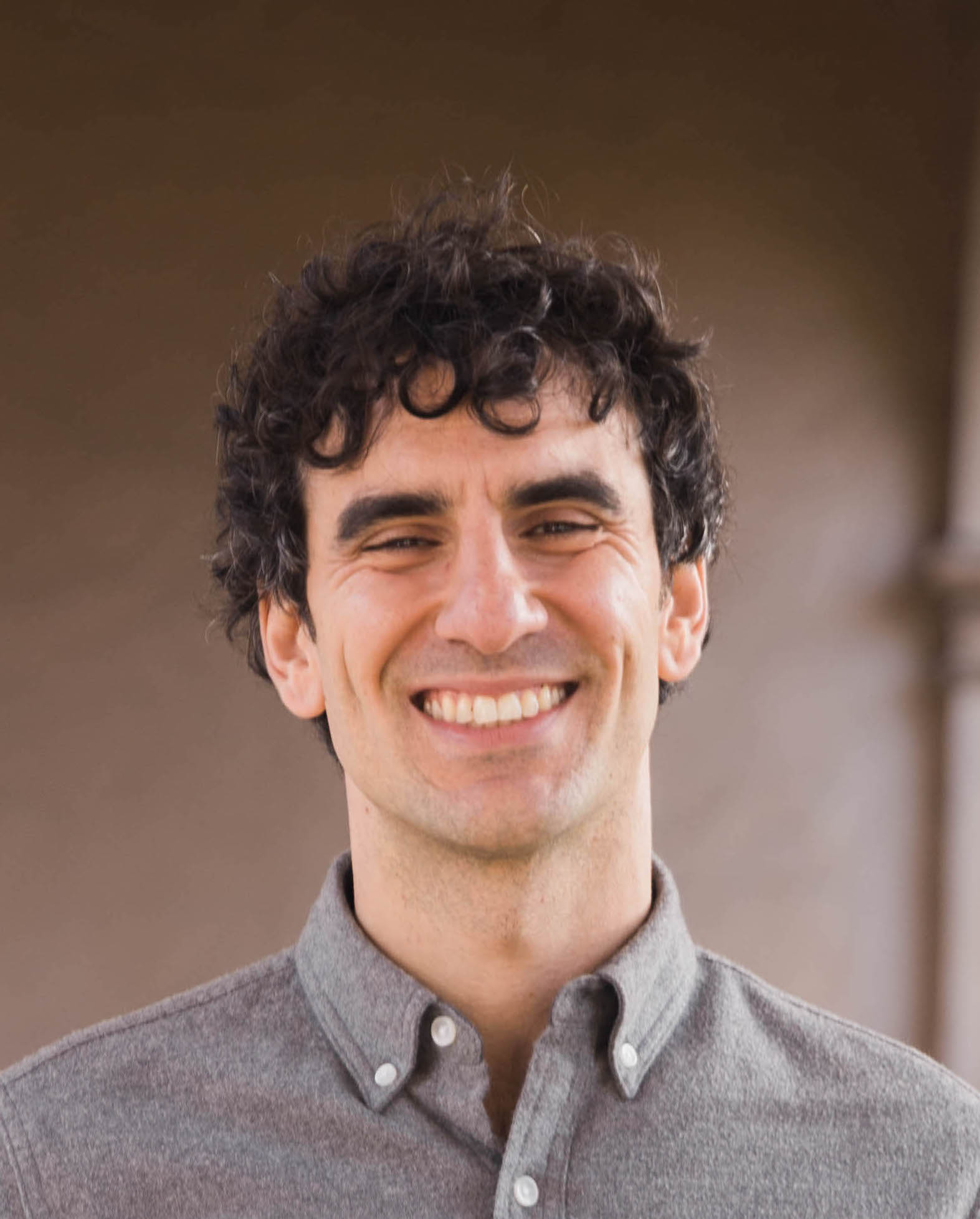
About the Author
Dr. Shirag Shemmassian is the Founder of Shemmassian Academic Consulting and one of the world's foremost experts on medical school admissions. For over 20 years, he and his team have helped thousands of students get into medical school using his exclusive approach.