Learn the UCSD Medical School acceptance rate, admissions requirements, and read a UCSD secondary application essay example

UCSD Medical School is ranked Tier 1 by U.S. News and World Report for research and primary care

What You'll Learn
PRIME-HEq Track Focus
How UCSD’s specialized PRIME-HEq dual-degree track prepares students to lead health equity initiatives and serve under-resourced communities.
Academic Profile & Selectivity
General expectations regarding candidate academic preparation, competitive GPA and MCAT score benchmarks, and overall admissions selectivity trends.
Prerequisite Coursework Rules
Mandatory science and math coursework competencies, laboratory experience expectations, and policy guidelines regarding valid MCAT score dates.
Integrated Curriculum Structure
Key highlights of UCSD’s curriculum, featuring early clinical integration, organ-system based preclinical phases, and mandatory independent scholarly projects.
Application Timeline & Milestones
Crucial cycle dates covering primary AMCAS filing, secondary submission windows, interview invitation periods, and final decision releases.
Secondary Essay Strategies
Tactical approaches for addressing UCSD’s supplemental prompts by showcasing research depth, leadership, diversity of experience, and institutional fit.
MMI Interview Preparation
Essential insights into UCSD’s Multiple Mini Interview (MMI) format and strategies for effectively navigating scenario-based evaluations.
----
Introduction to UC San Diego School of Medicine
If you’re a premed who attended college in California, UC San Diego School of Medicine is likely on your radar, especially since it is a Tier 1 medical school in both research and primary care. UCSD School of Medicine is one of the younger medical schools in California, but it has churned out impressive results in its half-century of existence. Innovation is at the School of Medicine's core, from their reimagination of the medical education model—which emphasized primary science education alongside clinical training—to the doctors who pioneer life-saving surgeries.
UCSD School of Medicine prides itself on cultivating a diverse class of around 140 future physicians each year. A significant one-quarter of the student body is underrepresented in medicine, and the class is a balanced mix of men and women, fostering an inclusive and supportive environment.
Due to the school’s strong research reputation and rigorous standards, it’s challenging to become one of those matriculants. This post will help you understand how to present yourself as a competitive applicant and discuss what goes into standout secondary application essays. We will also cover requirements and deadlines you’ll need to remember when applying to UCSD.
Mission statement
UC San Diego School of Medicine sets forth a tripartite mission: “To serve our communities and create a healthier world by being the preeminent destination for transformative, innovative, and impactful research, medical education, and clinical care.”
When developing your response to the “Why Us?” secondary essay prompt, you’ll want to provide anecdotes from your experiences that showcase how your values align with those of the school’s mission statement. By sharing your clinical and research experiences that illustrate your desire to engage with “transformative, innovative, and impactful” medicine, you will demonstrate how you will be a great addition to their community of students.
A number of our students get into UCSD Medical Schools each year. Want to learn how?
Get our free 102-page guide to help you with every step: Get Into Medical School: 6 Practical Lessons to Stand Out and Earn Your White Coat
----
UCSD School of Medicine quick facts
| UCSD School of Medicine Quick Facts | |
|---|---|
| Acceptance Rate | |
| Applicants | |
| Interviews | |
| Matriculants | |
| Avg. GPA | |
| Avg. MCAT | |
| Tuition (2025–2026) | |
| First-Year Cost of Attendance |
----
UCSD Medical School MD programs
In addition to the traditional four-year MD program, UC San Diego offers three other programs for students wishing to obtain an MD:
The Medical Scientist Training Program (MD/Ph.D.)integrates intensive lab research training with medical education. Many students choose to combine their MD with a biochemistry Ph.D., but technically, any graduate program is available in this program. It usually takes students eight years to complete both degrees.
The Program in Medical Education–Health Equity (PRIME-HEq) is a five-year MD/Master’s program that aims to eradicate demographic-based health disparities. It has been designed for students interested in becoming physicians for vulnerable and marginalized communities. About 12 students are admitted into PRIME-HEq each year.
UCSD offers the Global Health Academic Concentration (GHAC) to prepare students interested in global health by exposing them to the global health ecosystem's challenges, ethics, and inequities. GHAC students are required to complete a research experience outside the United States as well as a clinical rotation. If this interests you, you might enjoy following GHAC students worldwide as they complete their international research projects!
UCSD offers the Compassion in Medicine Academic Program Concentration (CIMAC), a unique opportunity for medical students to delve into the transformative power of compassion in patient care. Through specialized coursework, research, and global collaboration, CIMAC is a four-year longitudinal program that empowers students to become pioneers in redefining the role of empathy and compassion in clinical care.
In this guide, we’ll cover the traditional MD path.
UCSD Medical School tuition and scholarships
The first-year cost of attendance at UCSD Medical School was estimated at $69,323 for in-state applicants during the 2025–2026 academic year. This figure includes tuition, room and board, books, and supplies, as well as estimates for transportation and personal expenses. Non-residents must pay an additional $12,245 in tuition, totaling $81,568.
UCSD does not offer specifics about its need-based financial aid program. Still, its data show that in 2025 UCSD Medical School graduates left campus with an average debt of $175,651, far below the national average.
UC San Diego School of Medicine curriculum
UC San Diego School of Medicine offers “C.O.A.S.T Curriculum, where caring, original advocates share and thrive.” For the first two years of medical school, or the “pre-clerkship years,” the focus of the core curriculum is on building the scientific foundation that will inform your clinical decisions as a physician, including:
Foundational Sciences
Humanistic Anatomy
Diagnostics
Practice of Medicine
Equity in Systems Science
Compassionate Action and Real Engagement (CARE)
Clinical Decision-Making
You’ll also be offered a variety of electives during your pre-clerkship years, including:
Building Systems
Compassion in Care
Equity and Advocacy
Exploration and Innovation
Teaching and Learning
During the third year of medical school, you’ll be immersed in core clinical clerkships, including:
Internal Medicine
Family Medicine
Neurology
Obstetrics & Gynecology
Pediatrics
Psychiatry
Surgery
In your third year, you’ll also choose a selective course in which you will explore topics of personal interest. In the fourth year of medical school, you’ll engage with the following:
Clinical Electives
Capstone
Principle to Practice
Residency Transitions Course
UCSD School of Medicine student life
UCSD School of Medicine’s student life includes a variety of programs and other opportunities for personal and professional development to support your journey to becoming a physician:
Academic communities: a multi-layered system of support and mentoring so students thrive
Living in San Diego: a beachside city with a diverse population and countless cultural experiences
Wellness: resources for physical activities, ethics and spirituality, intellectual and emotional balance, and more
Mental health: counseling and psychological services for students with mental health issues, such as stress, sleep disturbances, anxiety, depression, relationship challenges, and more
Student interest groups: opportunities to meet students and faculty with similar interests and goals
UCSD School of Medicine residency outcomes
If UCSD School of Medicine is among your top choices for medical school, you may be wondering how graduates fare when matching into residencies. Let’s take a look at the residency placement results for the 2025–2026 cycle:
62 percent of students matched in California
39 percent of students matched in the UC system
25 students matched at UC San Diego
21 other states that students matched into
For 2026, the following were the top five specialties among graduates:
Internal Medicine
Emergency Medicine
Family Medicine
Pediatrics
Obstetrics and Gynecology
----
How hard is it to get into UCSD Medical School?
UCSD Medical School admissions statistics
UCSD’s current acceptance rate is 2.3 percent. Let’s dive into the admissions numbers for the class of 2029:
Applications: 10,400
Interviews: 1,002
Matriculants: 140
Average GPA: 3.83
Average MCAT: 514.4
(Suggested reading: Average GPA and MCAT Score for Every Medical School)
UCSD Medical School admissions requirements
UCSD does not require any specific coursework to apply for their School of Medicine. That said, they do recommend that students study the following to be strong applicants, including labs for all courses that offer them:
Biology: One year
General chemistry: One year
Biochemistry: One term
Organic chemistry: One year
Physics: One year
Calculus or statistics: One year
UC San Diego only considers U.S. citizens, permanent residents, and DACA recipients for admission. Foreign students without a green card are ineligible. Furthermore, all applicants must have completed at least one full year of study at a four-year college in the U.S.
Due to the COVID-19 pandemic, UCSD has loosened some of its application requirements. Of particular note are policies surrounding the MCAT.
UCSD requires MCAT scores earned within three years before the applicant's planned matriculation date, meaning you must have taken the test between January 2024 through December 2026 to be eligible for matriculation in fall 2027. Applicants who feel their MCAT performance was significantly affected by a pandemic-related issue can append a statement to their application describing the hardship.
(Suggested reading: Medical School Requirements: The Definitive Guide)
UCSD Medical School application timeline
To apply to UCSD Medical School, you’ll submit your AMCAS application according to the following timeline:
May 5, 2026: AMCAS application opens
May 28, 2026: AMCAS application can be submitted
July 2026: UCSD secondary application opens
October 15, 2026: AMCAS application deadline
October 15, 2026: Admissions decisions begin to be released
UC San Diego has a policy of rolling admissions. They tell applicants that there is no significant advantage to applying early—other than the peace of mind from possibly knowing the outcome sooner—and that they make offers throughout the year. However, it’s always our recommendation to apply as soon as possible, which means getting your scores and more together by mid-summer.
You will be given exactly one month to submit your secondary application from the day you receive your invitation. Again, UCSD has a rolling admissions process, so it might take longer for you to hear back after submitting your secondary application than it took for your friend. But no matter what, you are guaranteed to know by March whether you will get to move on to the interview round.
If you are invited to interview, you should expect to hear back from the admissions committee with your decision about four weeks after your interview.
(Suggested reading: The Ideal Medical School Application Timeline)
Over 90% of our students get into med school—the first time.
Get our free 102-page guide to help you with every step: Get Into Medical School: 6 Practical Lessons to Stand Out and Earn Your White Coat
----
UCSD Medical School secondary application essays (examples included)
On its secondary application, UC San Diego asks applicants to submit a 6,000-character “autobiographical sketch” and a short response to one other question. Below, we’ll review how to tackle each prompt for the 2025-2026 application cycle and provide solid examples.
AUTOBIOGRAPHICAL SKETCH
This should be a true autobiographical statement. Topics to be included are family, childhood, primary and secondary school years, undergraduate years, and, if applicable, what you’ve done since completing your bachelor’s degree. You should also discuss the motivational factors which led you to a career in medicine including any disadvantages or obstacles which might put your accomplishments into context. A repeat of your AMCAS statement will not be acceptable. (6000 Characters)
Please note: if you are applying to the MD/PhD program, please include why you are specifically interested in seeking MD/PhD training at UCSD.
Don’t let the term “sketch” mislead you; they are looking for a 6,000-character personal essay (approximately 1,000 words), but one that’s a little different from your traditional med school secondary essay.
Use the word “autobiographical” in their prompt description as your guiding star. Think about this essay as a long-form answer to your future interview prompt “So, tell me about your childhood.” UCSD is giving you an opportunity to share a little bit of your inner life—what motivates you, how you think about the world, how you got to be the way you are.
You can organize the essay chronologically (“I was born in Austin, Texas…” or even “My parents emigrated from Karachi, Pakistan”) or thematically (“In my childhood, three things mattered, in this order: homework, God, and sports”). The best essays employ a mix of both.
Note that this is also a chance to simply deliver more than your AMCAS application would have allowed you to. A chronological account of your life is not a good medical school personal statement for your other applications, but it’s exactly what UCSD is asking for.
Let’s take a look at an example:
I was born in Naperville, Illinois. My parents moved there a decade before the town was declared “the best city to raise a family in” by Home and Garden magazine. With two highly educated parents in the Chicago suburbs in the late ‘90s, I was set up to live out the now stereotypical Indian American model minority life. But when I was 11 months old, my dad faxed in an application to a relatively obscure international organization. He got the job, and our family moved across the Atlantic to our new home in Vienna, Austria.
Now, you might think this would be rosy, but my family moved to Vienna at a time when brown-skinned people were a rarity and our neighbors were of the generation that participated in the Holocaust.
So we stayed inside our warm bubble of school and home. I didn’t always fit in, but I did feel at home in my studies, and class was often the only time I was treated with respect by classmates. A still-poignant memory: in kindergarten, my class partnered with fifth graders, who became our “reading buddies.” I was paired with a ten-year-old learning English and charged with reading to her instead. As a high schooler, I got all As pretty easily. I had a penchant for history, but, much to my father’s chagrin, merely tolerated science.
After school, I rushed home from the bus stop, eager to read or invent a new machine with my kid brother to make our Monopoly games more “efficient.” At dinner, all five family members shared stories of our days and on our various intellectual pursuits. My sister expounded on the social injustices of the American prison system while my dad vainly explained to uneducated ears how he was altering his field’s understanding of groundwater.
I was obsessed with the concept of fairness. When playing card games as a kid, I insisted on restarting the game if I accidentally caught a glance of my opponent's hand. I created a musical theater summer camp in middle school and donated the proceeds to an arts program for homeless youth. I didn’t think poverty or racism were inevitable and I wanted to create a more equitable world. That’s why I found it supremely unfair when my little brother was diagnosed with a rare form of cancer and needed emergency surgery. Why him? Why us? What if we hadn’t detected it early enough?
Luckily, the surgery went flawlessly. In the recovery room, a nurse noted how lucky we were that everything happened “here” and not during our vacation in India two weeks prior. Having listened to my sister at the dinner table all of those years, I quickly decoded her statement. My brother’s successful treatment was all but guaranteed with our health insurance in a private hospital in a first-world country.
That my brother might not have recovered had my parents lived and worked elsewhere weighed on me. So heavy was this weight that it convinced me to go into medicine.
When it came time to apply to college, I didn’t even consider school in the U.K. or elsewhere like some of my peers. I had been waiting 13 years to call the U.S. home again. I applied and was admitted to UC Berkeley, just 30 miles away from my grandparents in San Mateo.
College was a whole new game for me socially. In Vienna, between the feeling of being an outsider to the transitory nature of my international school, I had never developed strong attachments. Don’t get me wrong; I had friends. But when I walked across the stage at graduation, I was eager and ready to move on.
But now, living, eating, and studying with my classmates, I could no longer keep everyone at a distance. I found myself bonding and connecting on a level I had never known before. I was thriving off of the intimacy of friendship, but I didn’t know how to balance this new facet of my life with academics and extracurricular activities. I chose to stay up all night with my theater cast members instead of studying for my calculus midterm and hit the road for a weekend camping trip when I had a history paper due. My grades suffered tremendously.
I was unhappy with my lack of academic discipline and I knew that it was not sustainable, but I didn’t know how to fix it. So I buried the feelings and continued to prioritize relationships over all else.
My summer after freshman year I had nothing to do because, unlike my friends, I had failed to secure any type of internship or research position. The eight weeks at home were miserable. I was an ocean away from the friends who had become so dear to me, and I was filled with guilt for having wasted the privilege of being a student at a prestigious university. After four weeks of wallowing, I decided to make a change. It wasn’t easy. It involved a lot of self-reflection and owning up to my weaknesses. But I realized that if I didn’t set boundaries, then all of those dreams of increasing equity through medicine would stay out of reach.
I flew back to campus that fall feeling clearheaded and I set my new plan into motion. Step one was to institute a rule that I had to say no to any social activity on Mondays, Wednesdays, and Thursdays. Step two was to drop out of the College Democrats and PhiDE. That still left me with my two biggest joys, theater and volunteering at a homeless shelter. The first semester was hard; I often felt like I was missing out and saying no all of the time was exhausting. Yet, I was excelling in classes and felt in control again.
My GPA never fully recovered, but I don’t regret it. That time I invested led to what I think will be lifelong friendships. I have more empathy than I did five years ago, and I know that will make me a more compassionate physician. Further, I might never have discovered my medical niche.
See, after a year of my strict schedule, I found I actually had extra time on Mondays and Wednesdays. I decided to spend it on an elective course, “Information Technology and Society.”
It was in this class that I started thinking about how I could use technology to reach not just 100 patients but thousands. I started voraciously reading into the field of telemedicine and realized that I wanted to work on solutions to create more equitable health outcomes. I see my future career playing out along these same values that I cultivated when I was young: the desire to apply the study of science to real injustice.
Why does it work?
As requested, the applicant provided a clear picture of their family background and how they grew up. The applicant mentions two key events which influenced their decision to pursue a medical degree, but does not expound upon them; this subject matter was presumably covered in the AMCAS personal comments section.
The second half of the essay focuses on a key obstacle the applicant faced, which helps the admissions committee understand why their GPA is below average. Importantly, the applicant does not make excuses for the bad grades; they unhesitatingly accept that it was their responsibility to overcome the challenge of time management and prioritization. It also didn’t hurt that the applicant spoke about compassion, a trait UCSD aims to foster in its med students.
Finally, as we mentioned above, this essay tackles things both chronologically and thematically. It addresses how the applicant came to become themselves by moving forward in time deliberately, but it’s not just a list of events. As the writer moves through time, they also emotionally reflect and identify themes that mean a lot to them (fairness, justice, outsiderness).
MOST MEANINGFUL EXPERIENCES (FROM AMCAS)
On your AMCAS Application, you were asked to identify your three “most meaningful” experiences. These activities have been auto-filled in your secondary application.
In addition to the information you provided on the AMCAS application, we would like to know if there are any additional activities you would consider among your most meaningful. This may include activities that you’ve already completed but couldn’t include as you were limited to three selections on the AMCAS application, or it may include a new activity that began after your initial AMCAS application was submitted. Use the “Add” button below to enter a new activity.
This section is optional –you can enter any number of additional experiences including zero. If you have no experiences to add, simply click save and continue and this section will be marked as complete
We would also like to know if a letter of recommendation has been submitted on your behalf by somebody you worked with through this experience. If you do not have a letter from this experience, simply type N/A. This information allows Admissions Committee members reviewing your application to more readily match your letters to your experiences and thus facilitates the review of your application." (Yes/No prompt. If yes, additional basic information and a 100-character box appear. )
POSSIBLE CAREER PATHWAY (Required, with a 400-character box)
Some medical school applicants are already focused on pursuing a particular career pathway in medicine. While many students will change from this pathway during medical school, knowing of your potential interests does help us to assign interviewers. Your choice below does not influence how the Admissions Committee selects students to interview.
Please select from one of the career pathways listed below. In addition to this selection, please provide a brief description of your future career goals:
Academic Medicine (Working as a faculty member at a School of Medicine either as a clinician, a clinician-educator, or a clinician investigator. This could be in any field of medicine)
Primary Care and/or work in underserved communities (Working as a general internist, a pediatrician, or a family medicine physician and/or spending the majority of your time working in a community currently underserved by the medical profession)
Public Health, administrative leadership in medicine (Pursuing an MPH and/or working for a public health department or organization; working in health care policy; working as a hospital administrator)
Specialist in private practice (Working in a private practice or managed care setting as a subspecialist. Examples include cardiologist, infectious disease specialist, obstetrician, orthopedic surgeon, general surgeon, anaesthesiologist, radiologist)
Other/undecided
PRIME - HEq
The goals of PRIME - HEq are: To increase the number of clinicians, research scientists, and advocates addressing minority health and health disparities; to create a diverse community of scholars that develop, transmit, and apply new knowledge in minority health and health disparities; and to promote a multidisciplinary community/university partnership to eliminate health disparities. The program utilizes existing opportunities to allow enrollees to obtain a master's degree emphasizing minority health and health disparities, tailored to student's interest (MPH, MBA, MAS, MS) Applicants indicating an interest in PRIME are required to write an additional essay detailing their qualifications and reasons for interest in the program.
Please describe your interest in the PRIME-HEq program. Topics to include are longitudinal experiences that you’ve had with underserved communities, including the type of community that you’ve worked with and your level of involvement. Additionally, you should discuss the length of time that you’ve spent working in these communities. (Yes/No prompt. If yes, you have up to 4800 characters for your response.)
GHAC
Applicants to the UCSD School of Medicine may apply for admission to the GHAC. This track is available to five medical students per class per year, and will provide mentored research and clinical experiences in Global Health. The GHAC has four goals: 1) to prepare young physicians to engage with the global community to address health disparities; 2) to provide experiences and training in academic Global Health research; 3) to provide field experiences in Global Health delivery; and 4) to facilitate education about structural and social factors that create and propagate health disparities. Students in this concentration will undertake an additional curriculum that exposes them to Global Health topics throughout all four years of medical school. This track is appropriate for applicants hoping to pursue an academic medical career in Global Health. Students accepted into the GHAC will be provided with financial support for two international rotations (up to $5000 for both). Applicants interested in applying for the GHAC are required to write an additional essay detailing their qualifications and reasons for interest in this program.
Please describe your interest in Global Health. The term Global Health can have many meanings; for our purposes, we find the definition provided by Koplan et. al. in their 2009 Lancet publication useful: “the area of study, research and practice that places a priority on improving health and achieving equity in health for all people worldwide”. In your essay, be sure to describe any personal or professional experiences that have shaped your interests, and how Global Health issues have influenced your decision to pursue a career in medicine. (Yes/No prompt. If yes, you have up to 4800 characters for your response.)
PRIME-TIDE
Applicants to the USCD School of Medicine may apply for admission to the Program in Medicine - Transforming Indigenous Doctor Education (PRIME-TIDE), which is available to six medical students per class per year. The educational objectives of the PRIME-TIDE are to: 1) teach medical students the appropriate management and treatment of diseases common in AI/AN communities with a focus on culturally sensitive care via a mentored clinical experience in local, regional or national tribally-operated Indian Health Service (IHS) ambulatory clinics; 2) understand the opportunities for community-based research with AI/AN communities through the California Native American Research Center for Health (CA-NARCH); 3) engage in preventive medicine and public health in a tribal healthcare setting; and 4) understand the social, environmental, economic and political issues related to providing healthcare to tribal communities, as well as the limitations/adaptations to the delivery of IHS care. These objectives will be met by completing didactic coursework, as well as mentored research and clinical experiences.
Please describe your experiences with American Indian and Alaskan Native communities, including the type of community and your level of involvement. Please provide the length of time you spent working in or exposed to these communities. Be sure to detail any personal or professional experiences that have shaped your interests, and how American Indian and Alaskan Native issues have influenced your decision to pursue a career in medicine. Finally, please delineate how completion of the PRIME-TIDE program will help you obtain your medical education goals." (Yes/No prompt. If yes, you have up to 4800 characters for your response.)
TAN FAMILY SCHOLAR PROGRAM
Applicants to the UC San Diego School of Medicine may also apply for admission to the Tan Family Scholar Program, into which they are selected after being accepted to the School of Medicine. This is an academic concentration available to up to five medical students a year, in which selected medical students are provided support to partake in course work designed to develop specific knowledge about empathy and compassion in medicine, participate in research in this area, and travel internationally for inter-institutional exchanges of knowledge regarding empathy and compassion in medicine. Applicants interested in being considered for the Tan Family Scholar Program are required to write an additional essay detailing their qualifications and reasons for interest in this program.
Please describe your interest in Compassion and Empathy. In your essay, be sure to describe any personal or professional experiences that have shaped your interests, and how you think your career as a physician would benefit from being in this program. (Yes/No prompt. If yes, you have up to 4800 characters for your response.)
MEMBER OF A MARGINALIZED GROUP
Do you consider yourself to be a member of a group that is marginalized in a way that systemically affects access to quality education or healthcare?
Please describe how educational disparity, health disparity and/or marginalization has impacted you and your community. (Yes/No prompt. If yes, you have up to 4800 characters for your response.)

----
UC San Diego School of Medicine interview
UCSD uses the interview to ensure candidates meet the school’s technical standards, which are defined as:
Observation: functional use of vision, hearing and somatic sensation.
Communication: fluent English and the ability to speak and write effectively
Motor: sufficient motor functions to perform laboratory tests, diagnostic procedures, and emergency treatments
Interpretive, Conceptual, Quantitative: effective and efficient learning techniques for a variety of modes of instruction
Behavioral and Social attributes: honesty, integrity, dedication, compassion, comfort with ambiguity, flexibility, and good judgment
UCSD employs the Multiple Mini Interview (MMI) format. It consists of eight, 10-minute interview “stations.” At each station, applicants are presented with a written case study, which they discuss with the interviewer.
In the 2026–2027 application cycle, all interviews will be held virtually.
(Suggested reading: How to Ace Your Medical School Interviews)
What happens after the interview at UCSD School of Medicine
You've just finished your MMI stations at UCSD. As you log off the virtual interview, you enter arguably the hardest part of the application process; the wait. For the next few weeks, you'll likely second-guess every answer you gave, wonder if you said enough about your commitment to health equity, or if you should have elaborated more on that ethical dilemma at station three.
This could turn your thoughts to wondering if you should do something about it. Unlike many medical schools, UCSD does not accept update letters or letters of interest unless you are placed on the waitlist, in which case they will specifically request them in the spring. It might feel frustrating, but there's nothing you need to do right now but wait.
So what should you actually do after your UCSD interview? First, send a brief thank-you email to your interviewers if you have their contact information. Keep it short, genuine, and focused on gratitude rather than lobbying for acceptance. Something like, "Thank you for taking the time to speak with me during my interview. I appreciated learning more about UCSD's approach to medical education and enjoyed our conversation." No need to restate why you're qualified or how much you want to attend.
If you're placed on the waitlist, that's when UCSD's communication policy changes. The admissions committee will reach out to you in the spring with instructions on submitting letters of intent, letters of interest, and updates. This is your chance to let them know about new accomplishments or submit a letter of intent if UCSD truly is your top choice. Just be sure to wait for their guidance before sending anything.
Suggested reading: (How to Write a Great Medical School Letter of Intent or Letter of Interest (Example Included))
----
Frequently asked questions
What is UCSD Medical School’s acceptance rate?
UCSD School of Medicine’s acceptance rate is currently 2.3 percent.
How many applicants applied in the 2025–2026 cycle?
10,400 applicants applied.
How many students were interviewed in the 2025–2026 cycle?
1,002 applicants were interviewed.
How many matriculants were there in the 2025–2026 cycle?
There were 140 matriculants.
What is the average GPA of matriculants?
The average GPA is 3.83.
What is the average MCAT of matriculants?
The average MCAT score is 514.4.
What is the cost of attendance for UCSD Medical School?
For 2025–2026, the cost of attendance, including tuition, room and board, books, and supplies, plus estimates for transportation and personal expenses, is $69,323 for residents of California and $81,568 for non-residents.
When can I apply?
The AMCAS application for the 2026–2027 cycle is open for submission as of May 28, 2026.
When is the deadline to apply?
The deadline for the 2026–2027 cycle is October 15, 2026.
When are invitations to the secondary application sent?
For the 2026–2027 cycle, invitations to the secondary application will be sent from mid-July to November 2026.
When are interviews held?
It may take anywhere between one week to four months for secondaries to be reviewed and interviews to be offered.
When will UCSD release decisions?
Applicants will be contacted regarding offers of acceptance after October 15, 2026, approximately four weeks after their interview date.
----
Final thoughts
As with any top medical school, you’ll need a solid GPA and high MCAT scores to be considered. UCSD School of Medicine aims to produce physicians that serve patients compassionately and scientists that create a positive impact in the medical ecosystem and the world at large. So, be sure to submit excellent secondary essays that reflect those qualities.
About the Author
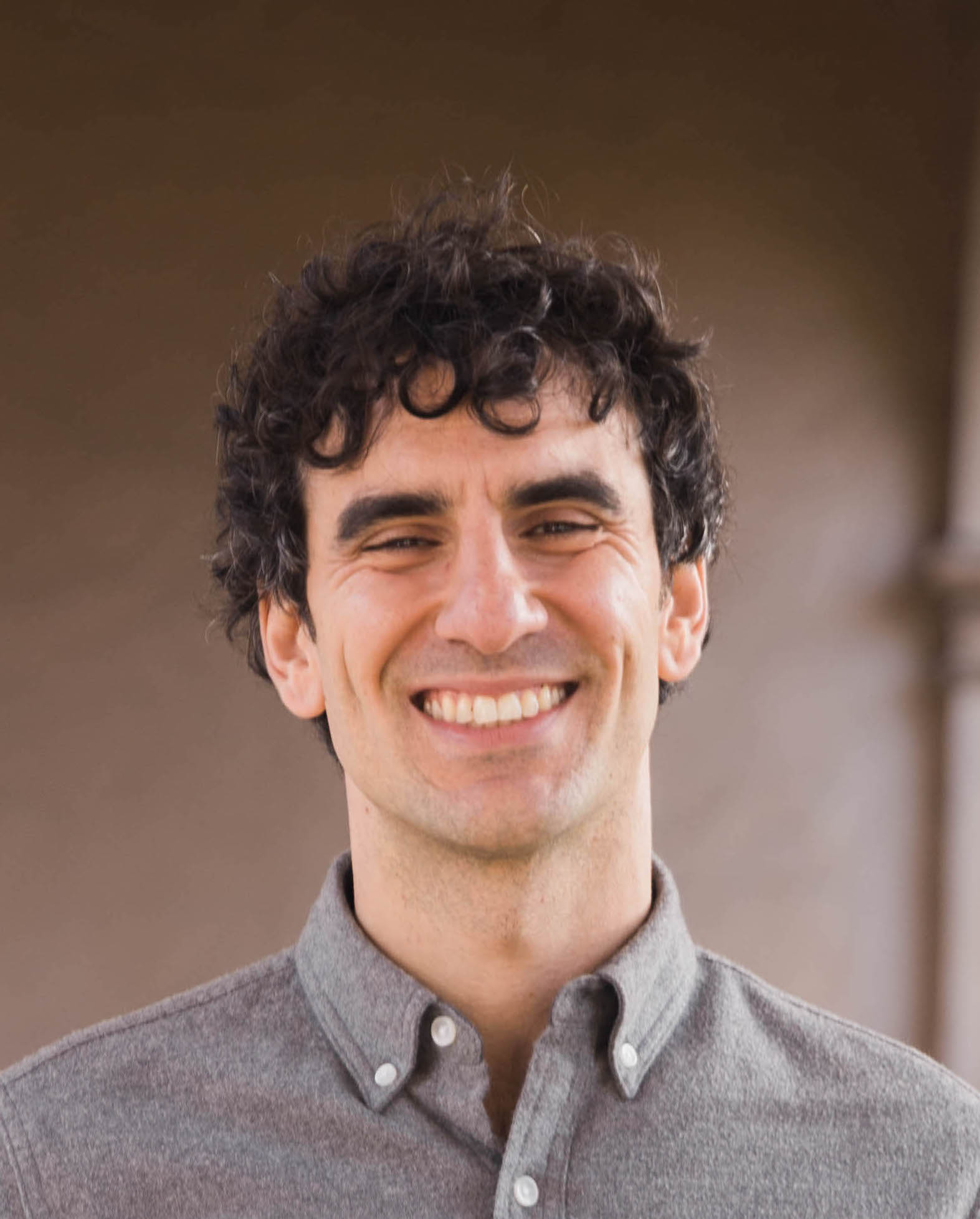
Dr. Shirag Shemmassian is the Founder of Shemmassian Academic Consulting and one of the world's foremost experts on medical school admissions. For over 20 years, he and his team have helped thousands of students get into medical school using his exclusive approach.
THERE'S NO REASON TO STRUGGLE THROUGH THE MED SCHOOL ADMISSIONS PROCESS ALONE, ESPECIALLY WITH SO MUCH ON THE LINE. CLICK BELOW TO SCHEDULE YOUR COMPLIMENTARY CONSULTATION TO ENSURE YOU LEAVE NOTHING TO CHANCE.