Morehouse School of Medicine has a 3-4% acceptance rate and an average MCAT of 505. Learn what it takes to get in, including GPA requirements, secondary essays, and interview tips, updated for 2026.

Morehouse School of Medicine is one of six medical schools in Georgia

What You'll Learn
HBCU Legacy & Primary Care Focus
How Morehouse School of Medicine fulfills its mission as an HBCU by advancing health equity, training minority clinicians, and emphasizing family medicine and primary care.
Academic Credentials & Class Benchmarks
General metrics regarding applicant academic preparation, competitive GPA/MCAT ranges, and in-state residency preference trends.
Prerequisite Coursework & MCAT Rules
Required foundational science and math courses with laboratory requirements, along with MCAT recency guidelines and test-timing strategies.
Curriculum Structure & Early Clinicals
Key highlights of the MD program, including small student-to-faculty ratios, first-year clinical preceptorships, and diverse urban and rural clinical training settings.
Secondary Essay Writing Strategies
Tactical approaches for addressing Morehouse supplemental prompts by aligning your career vision and personal motivations with social justice and service to underserved communities.
Holistic Application Evaluation
How the admissions committee balances objective academic metrics with depth in extracurricular activities, leadership, and clinical experiences.
Interview Format & Candidate Attributes
Essential insights into the interview selection process and the specific interpersonal attributes, self-awareness, and values evaluators prioritize.
Morehouse School of Medicine: overview and mission
Morehouse School of Medicine quick facts
Morehouse School of Medicine dual degree programs (MD-MPH, MD-MSCR)
Morehouse School of Medicine tuition and scholarships
Morehouse School of Medicine class profile: acceptance rate, average MCAT score and GPA
Morehouse School of Medicine secondary application essays (examples included)
Morehouse School of Medicine interview process
Morehouse School of Medicine frequently asked questions
----
Morehouse School of Medicine: overview and mission
The Morehouse School of Medicine is one of four historically Black medical schools in the United States. One of the six Georgia medical schools, it is a leader in healthcare education and has a commitment to training minority students to join the next generation of clinicians. The Morehouse School of Medicine is committed to diversity and inclusion; moreover, it places a strong emphasis on community-centered care delivery and family medicine. In fact, approximately 75 percent of graduating students match into a primary care residency for the next step of their training.
As a Morehouse student, you’ll benefit from having readily available access to faculty; one of the School of Medicine’s strengths is the low student-to-faculty ratio. Additionally, you will have early exposure to clinical environments, beginning with clinical preceptorships during your first year as a student. You’ll predominantly rotate at the Grady Memorial Hospital, a Level I trauma center at the heart of Atlanta; however, you will also have the chance to see patients in a variety of settings including the Veterans Administration Medical Center and Children’s Hospital of Atlanta. Moreover, as a third-year medical student, you can rotate in Columbus, Georgia to better understand healthcare delivery in a rural setting.
The Morehouse School of Medicine, which ranks highly among the country’s primary-care-oriented medical schools, offers a variety of both urban and rural clinical experiences in Atlanta and Columbus with the commitment to developing strong, patient-centered physician leaders. As a Morehouse student, you’ll have the opportunity to live in a vibrant city while serving patients from a wide range of backgrounds.
A number of our students get into Morehouse School of Medicine each year. Want to learn how?
Get our free 102-page guide to help you with every step: Get Into Medical School: 6 Practical Lessons to Stand Out and Earn Your White Coat
----
| Morehouse School of Medicine Quick Facts | |
|---|---|
| Acceptance Rate | |
| Applicants | |
| Interviews | |
| Matriculants | |
| Avg. GPA | |
| Avg. MCAT | |
| Tuition (2025–2026) | |
| First-Year Cost of Attendance |
----
Morehouse School of Medicine dual degree programs (MD-MPH, MD-MSCR)
You can achieve your MD through a variety of avenues at the Morehouse School of Medicine.
The majority of Morehouse students will opt to pursue the traditional, four-year MD program and split their time between the preclinical curriculum in the classroom and the clinical rotations at the bedside. Other students will choose to acquire two degrees while at Morehouse, through one of the three dual degree program tracks which are detailed further below:
The MD-PhD program is a Medical Scientist Training Program (MSTP) that occurs via a collaboration with the University of Washington. This program is intended to support students who want to ensure that clinical research is a core component of their future career; the program offers full scholarships for students in the dual degree program. Those that are interested in this program should apply to the Morehouse School of Medicine MD program via AMCAS in addition to reaching out to the MSTP program directors for the University of Washington.
The MD-MPH program is a five-year program; students must first be accepted into the Morehouse School of Medicine MD program and then can apply to this dual degree program. There are a variety of combinations of coursework that students in this program can pursue in order to complete the necessary requirements for each graduate degree. The program is geared towards students who have a keen interest in public health, global health, community health, or epidemiology.
The MD-MSCR program is intended for medical students who are interested in clinical and/or translational research. The MSCR portion of the program is one year and accepted students will receive scholarships for tuition in addition to stipend payments. The program provides support for students who are interested in developing a better understanding of research but may not want to pursue a full-fledged PhD degree.
----
Morehouse School of Medicine tuition and scholarships
For the 2025–2026 academic year, tuition and fees at the Morehouse School of Medicine are estimated at $67,314 for Year 1 students; however, students should also budget for room and board, books, transportation, and personal expenses. To give an idea of what to expect, the total cost of attendance at Morehouse in 2025–2026 was estimated at $115,918.
Although these costs are high, Morehouse students can apply for financial aid for support during these academic years. Additionally, scholarships and stipends are offered for those students who opt for the MD-PhD program.
Merit scholarships are awarded to entering MD students recommended directly by the Admissions Committee, making a strong application your first step toward financial support. As a continuing student, you may be eligible for renewal, though awards are contingent on available funds and meeting the conditions outlined in each scholarship agreement.
Two need-based awards are also available specifically to Georgia residents: the Ty Cobb Educational Foundation Scholarship, which supports students demonstrating financial need and the George and Pearl Strickland Scholarship, administered through the Metropolitan Atlanta Community Foundation, which evaluates applicants on financial need, academic record, community involvement, and character.
If you are open to a service commitment in exchange for funding, two programs for you to explore can dramatically reduce the cost of attendance. The National Health Service Corps (NHSC) Scholarship covers full tuition, required fees, and a monthly stipend, in exchange for one year of full-time primary care service in a “Health Professional Shortage Area” for each year of support received, with a two-year minimum obligation. Given Morehouse's mission to address health disparities in underserved communities, this program is a natural fit for many Morehouse applicants and can make the school's financial picture considerably more manageable.
Similarly, the Armed Forces Health Professions Scholarship Program covers full tuition, fees, books, and a monthly stipend in exchange for one year of active duty military service per year of funding — an option for students drawn to military medicine. If you are a Georgia resident, you should also explore the Georgia Board of Healthcare Workforce loan repayment programs, which assist practitioners willing to serve in rural, underserved Georgia counties. For a full overview of available aid, visit MSM's Financial Aid office directly, as award amounts and deadlines are updated each cycle.
----
Morehouse School of Medicine class profile: acceptance rate, average MCAT score and GPA
Morehouse School of Medicine admissions statistics
In order to contextualize how difficult it is to receive an acceptance from Morehouse Medical School, it’s helpful to look at the admissions statistics. Here are some figures pertaining to the class of 2029 from AAMC:
Applications: 6,873
Matriculants: 110 (56% in-state)
While Morehouse doesn’t publish its acceptance numbers, given the high volume of applications, we estimate its acceptance rate to be around 3–4 percent. Furthermore, Morehouse’s website states that around 10 percent of applicants are invited to interview each year. Over half of each incoming class is made up of Georgia residents. Morehouse School of Medicine out-of-state applicants are at a slight disadvantage, as Morehouse seems to prefer in-state residents.
The most recently available information on the stats of recent Morehouse matriculants is from the Class of 2025, when the average GPA and MCAT scores were around 3.64 and 505.6, respectively.
Additionally, as mentioned previously, the Morehouse School of Medicine is a historically Black medical school committed to maintaining a highly diverse student body. Although the majority of matriculants are Black or African American, this doesn’t mean you won’t be accepted if you are a non-Black applicant. You should still apply to Morehouse Medical School if your interests and experience align with the school’s mission.
(Suggested reading: Average GPA and MCAT Score for Every Medical School)
Morehouse School of Medicine admissions requirements
To apply to Morehouse, you must have completed specific premedical course requirements to ensure that you have a strong, proven foundation in core sciences. These classes should be taken such that students receive a letter grade rather than a Pass/Fail denotation. These courses include:
Biology: One year with lab
General chemistry: One year with lab
Organic chemistry: One year with lab
Physics: One year with lab
College-level mathematics: One year
English: One year, including composition
The Morehouse School of Medicine also stresses the following important considerations:
Applicants must be U.S. citizens or permanent residents (i.e., international applicants must have a permanent visa).
Applicants must have experience shadowing physicians.
Applicants who have previously matriculated into medical school or who have been dismissed from another medical school will not be considered.
Applicants who have felony convictions will not be considered.
Applicants who reside in the state of Georgia will be given a higher priority upon evaluation.
Furthermore, the Morehouse admissions website states that the evaluation committee will look at both the objective academic achievements of individuals and the depth and breadth of their extracurricular activities, including hobbies, research projects, work experiences, and clinical opportunities.
Please note that MCAT scores that are over three years old will not be taken into consideration, and that the admissions committee at Morehouse will not look over an applicant’s file until the MCAT has been received by the School of Medicine. Thus, if you are strongly interested in attending the Morehouse School of Medicine, it is recommended that you take the MCAT as early as possible so that you have time to retake the test if needed.
A relatively new admissions component is the AAMC PREview Exam (formerly known as the AAMC Situational Judgment Test). Morehouse is one of just a handful of medical schools currently accepting this assessment. However, take note that while PREview is strongly recommended by Morehouse, it is not strictly required.
If your parent is an alum of the Morehouse School of Medicine, he or she can participate in the MSMLegacy experience. The MSMLegacy program pairs children of Morehouse alumni with a School of Medicine dean and faculty representative who then facilitate an on-campus visit for these interested individuals. Interested participants who have completed their undergraduate freshman year and have declared a health-oriented major are welcome to apply to participate in the MSMLegacy program.
(Suggested reading: Medical School Requirements: The Definitive Guide)
Additional requirements: Making yourself stand out with targeted extracurriculars
The Morehouse School of Medicine seeks students with a proven commitment to academic excellence, leadership, social justice, and serving underserved communities. Specifically, they note in their mission statement that they have an “emphasis on people of color and the underserved urban and rural populations in Georgia, the nation, and the world.”
In addition to taking the required courses in college, keeping your GPA up, and scoring well on the MCAT, you can demonstrate your fit with these values through your extracurriculars.
Here's some advice on gaining experiences to highlight these qualities.
Community Service: Seek volunteer opportunities focused on healthcare, underserved populations, or addressing health disparities. Consistent involvement with these communities speaks volumes about your dedication to the values Morehouse upholds. If you can find volunteer opportunities assisting rural residents in Georgia, all the better.
Shadowing and Clinical Experience: We noted earlier in this section that some shadowing experience is required by Morehouse but shadowing doctors who work with underserved populations demonstrates a sincere interest in the realities of working with populations Morehouse focuses on.
Research: Participating in research, especially projects related to health inequalities or community wellness, shows intellectual curiosity and an ability to align with Morehouse's mission. The topic of the research you engage in can be just as important as doing the research itself.
Advocacy: Look for opportunities to advocate for health equity and social justice initiatives. This could involve involvement in student government, community organizing, or raising awareness campaigns. Furthermore, this will help highlight your leadership abilities and dedication to the cause of helping the less fortunate.
Morehouse School of Medicine application timeline
To apply to the Morehouse School of Medicine, you’ll submit your application via AMCAS. Morehouse invites interested applicants to apply either via the Early Decision pathway or for regular admission. Regardless of which timeline you choose, here are the dates and deadlines to keep in mind as you apply to Morehouse:
May 5, 2026: AMCAS application opens
May 28, 2026: AMCAS application can be submitted
August 3, 2026: AMCAS application deadline for Early Decision
November 2026–June 2027: Admissions decisions released on a rolling basis
June 26, 2026: Application transmission to medical schools begins
September 2026–April 2027: Interviews conducted
April 30, 2026: Deadline to commit to only one school
The earlier that you submit your AMCAS application, the better you will perform throughout the application process. While Morehouse does not specify when their secondary application opens, anecdotal evidence tells us that they typically become available beginning in mid-July.
If your first choice medical school is the Morehouse School of Medicine, you may want to consider the Early Decision track. If you decide to do so, note that you cannot apply early to any other medical schools, you must live in Georgia, and you must have completed or show evidence that you plan to complete a minimum of 90 semester hours or 135 quarter hours that indicates completion of your academic requirements prior to matriculation.
(Suggested reading: The Ideal Medical School Application Timeline)
Morehouse Match Day 2026 Stats
Total Number of Students Participating in Match: 102
Total Number of Students Matched: 100 (98%)
Matched to First or Only Choice Specialty (NRMP): 71 of 84 (84%)
Matched to Primary Care Specialties: 57 of 102 (56%)
Matched to Primary Care and Core Specialties: 76 of 102 (75%)
Matched to Programs in Georgia: 48 out of 102 (47%)
Matched to Morehouse School of Medicine: 17 (17%)
Over 90% of our students get into med school—the first time.
Get our free 102-page guide to help you with every step: Get Into Medical School: 6 Practical Lessons to Stand Out and Earn Your White Coat
----
Morehouse School of Medicine secondary application essays (examples included)
Applicants to the Morehouse School of Medicine are emailed a secondary application by invitation only after the admissions’ committee evaluates prospective files through a multidisciplinary lens. High-quality secondary essays will state with clarity and conviction why Morehouse is the best choice for you and why you will contribute positively to the student body. The secondary application is the best place for you to differentiate yourself from the thousands of other applicants who are also applying for consideration.
Below we’ll go over the secondary essays required by Morehouse and provide strong example responses.
Question 1: Give an example when you have shown resilience and how you would overcome academic adversity if encountered in medical school. (200 words)
Example:
Resilience to me means being adaptable and having the will to recover from challenging situations, a lesson I learned during my sophomore year of college. When my grandmother fell ill, my mother became her caregiver, and I took on more financial responsibility. Seeing my dad stressed over bills, I knew I had to help.
Balancing a rigorous course load, a research project, and tutoring, I was unsure how to manage another task. My mentor suggested becoming an emergency medical technician. The first week was overwhelming; my grades and work suffered, and I was constantly late. I realized I couldn’t do it all. Although difficult, I put my tutoring on hold to help my family. This experience taught me that what has worked before may not always work, and re-evaluating priorities is crucial.
I began to time block all my activities and even listened to pre-recorded study guides while walking to class. This growth mindset is how I would overcome academic adversity in medical school. I would reassess my study methods and use time-blocking to ensure my dedication to each of my courses. This flexible approach is how I would not only overcome a setback but thrive in a demanding curriculum.
Why does it work?
Rather than simply claiming resilience, the writer details their time-blocking system and creative study methods (like listening to pre-recorded guides while walking), which illustrates the kind of practical, adaptable thinking essential for medical school success.
Furthermore, the essay showcases self-awareness and the maturity to make difficult decisions. The writer's willingness to pause tutoring despite loving it, their recognition that "what has worked before may not always work," and their ability to reassess priorities under pressure all point to someone who can handle the demanding, unpredictable nature of medical training.
Question 2: In what ways do you plan to contribute to the Morehouse School of Medicine community, both during your time as a student and beyond? (200 words)
Question 3: Imagine you’re a healthcare provider working at a community clinic with limited resources. You’re responsible for distributing a small number of free glucose monitors to patients with diabetes. You have two patients who qualify: one is highly engaged, follows care instructions, and has shown consistent improvement. The other struggles with managing their condition due to low literacy, language barriers, and unstable housing, and often misses appointments. You only have one monitor left. Who do you give it to—and why? How would you navigate this situation in a way that reflects a commitment to health equity? (200 words)

----
Morehouse School of Medicine interview process
Approximately 10 percent of all students who apply to the Morehouse School of Medicine will be offered an interview; however, the interview rate for Georgia in-state residents is likely substantially higher.
In the 2026–2027 application cycle, all interviews will be held on campus. You will have two individual interviews with faculty members of the Morehouse School of Medicine. Morehouse uses a traditional interview format, and interviews last anywhere between 30 to 60 minutes.
Given the format, you should prepare answers to questions such as “Why Morehouse?” and “Why medicine?” If you are an out-of-state candidate, you should also have a compelling explanation for why you want to attend this school specifically, given the low admission rate for this group of applicants.
We’ve researched common questions from Morehouse that students get asked and created the following list:
Why Morehouse and not any other HBCU?
If you were given the chance to vouch for yourself in front of the admissions committee, what would you say in your favor?
How did you study for the MCAT?
What would your friends say about you?
What is the most recent movie you've seen?
What are your hobbies?
What is your opinion of your MCAT score?
Why did you apply this cycle when you graduated a year ago?
Why medicine?
If you got 5 acceptances, how would you decide which medical school to go to?
Why would you be a good fit?
As mentioned previously, we can see that questions like “Why Morehouse?” and “Why medicine?” tend to come up regularly, but would you know what to say to “What would your friends say about you?” or “Why did you apply this cycle when you graduated a year ago?”
Questions like these may seem simple on the surface, but they contain opportunities to pepper your answer with reasons why you chose Morehouse and how you fit with their mission and values. For example, would your friends describe you as a genuine kind person, willing to lend a hand to anyone from any walk of life? What have your gap year experiences taught you? Did you spend time volunteering with urban underserved communities?
Approaching your answers this way and thinking of them before your interview, will help you come across as confident and certain that studying medicine at Morehouse is the path for you. Importantly, you should prepare a list of questions to ask each interviewer at the end of your conversation to show that you have researched the program and can ask thoughtful questions to demonstrate your interest.
(Suggested reading: How to Ace Your Medical School Interviews)
----
Morehouse School of Medicine frequently asked questions
What GPA do you need to get into Morehouse School of Medicine?
The entering class of 2025 had an average GPA of 3.64.
What MCAT score do you need for Morehouse School of Medicine?
The average MCAT score needed for admission to Morehouse is 505.6
Is Morehouse School of Medicine hard to get into?
While Morehouse does not release acceptance information, we estimate the acceptance rate for Morehouse School of Medicine to be 3-4%, making it a competitive school for admission.
Does Morehouse School of Medicine accept out-of-state students?
Yes, Morehouse School of Medicine accepts out-of-state students. However, there appears to be a slight preference for Georgia residents with just over half of acceptances going to in-state students.
What does Morehouse School of Medicine look for in applicants?
The Morehouse School of Medicine seeks students with a proven commitment to academic excellence, leadership, social justice, and serving underserved communities. Specifically, they note in their mission statement that they have an “emphasis on people of color and the underserved urban and rural populations in Georgia, the nation, and the world.”
How many interviews does Morehouse School of Medicine offer?
An estimated 10 percent of applicants are invited to interview at Morehouse. During the 2025-2026 cycle, this equates to about 650-700 interviews.
Does Morehouse School of Medicine accept international students?
No, Morehouse School of Medicine does not accept international students. Applicants must be U.S. citizens or permanent residents.
Final thoughts
The Morehouse School of Medicine offers the opportunity for students to train in an eclectic environment; students may rotate in large metropolitan Level I hospitals in addition to rural health centers focused on primary care. In order to stand out amongst the thousands of applicants eager to attend Morehouse, leverage the insights from this guide to submit strong secondaries and to prepare effectively for interview so that you are able to celebrate your acceptance come spring.
About the Author
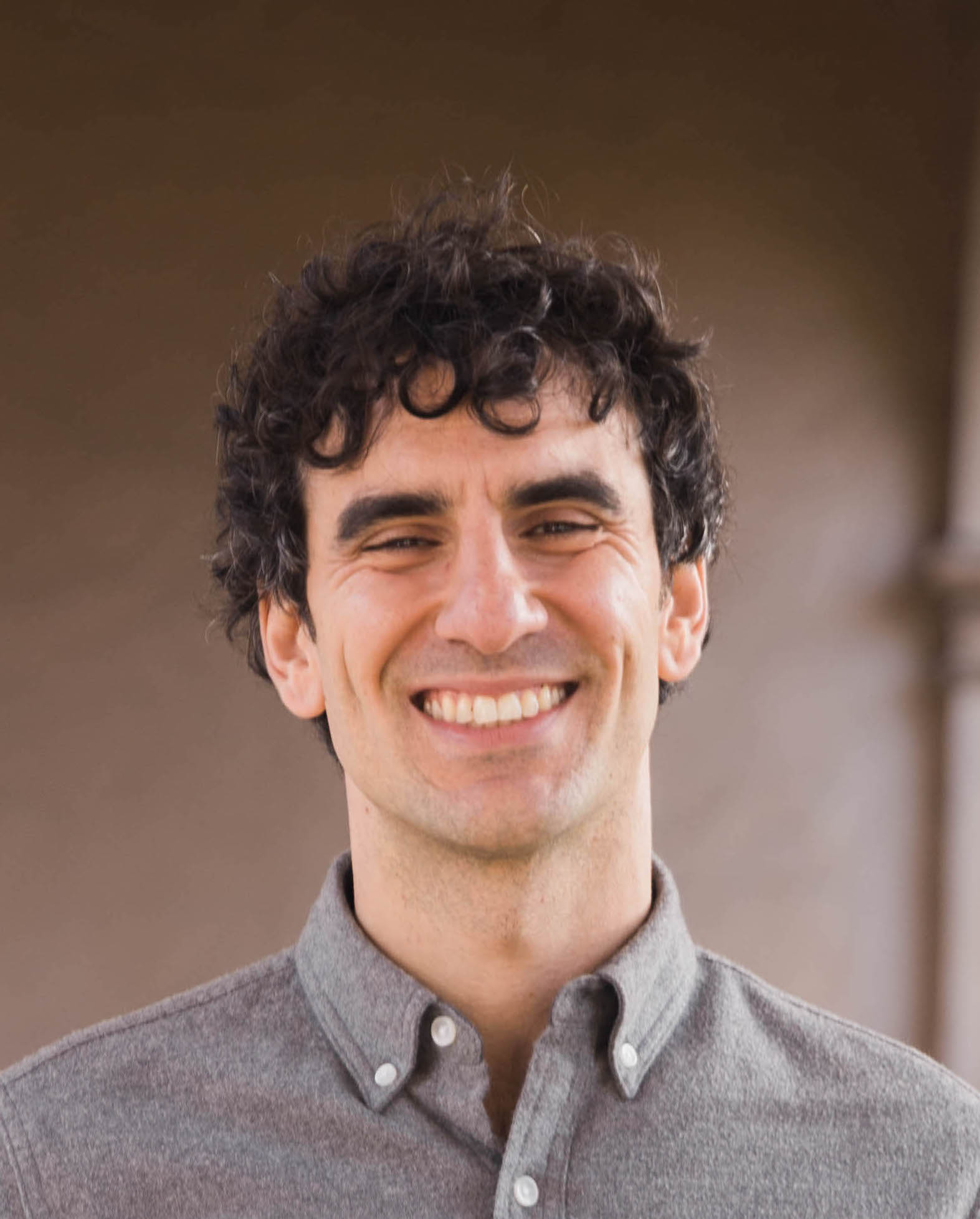
Dr. Shirag Shemmassian is the Founder of Shemmassian Academic Consulting and one of the world's foremost experts on medical school admissions. For over 20 years, he and his team have helped thousands of students get into medical school using his exclusive approach.
THERE'S NO REASON TO STRUGGLE THROUGH THE MED SCHOOL ADMISSIONS PROCESS ALONE, ESPECIALLY WITH SO MUCH ON THE LINE. CLICK BELOW TO SCHEDULE YOUR COMPLIMENTARY CONSULTATION TO ENSURE YOU LEAVE NOTHING TO CHANCE.