Discover the best ways to prepare for med school as a high schooler.

We include expert tips on what to do and common mistakes to avoid for high school students aiming for med school.

What You'll Learn
Explore, Don't Specialize
Why high school and early college should be spent exploring interests broadly instead of locking into a specialty or building a "perfect" pre-med resume too early.
Study Habits Over Course Load
How active recall, spaced repetition, the Pomodoro Technique, and consistent sleep matter more for your GPA than stacking advanced classes.
The Truth About AP Credit
Why most medical schools don't accept AP credit toward prerequisites, even though AP science courses build a useful academic foundation.
What Actually Carries Forward
Why your high school GPA and SAT/ACT scores never appear on your med school application, and what undergrad GPA benchmarks (MD vs. DO) really matter instead.
Relationships Over Résumé
Why investing in genuine mentorships and friendships builds a lasting support system, not just a source of recommendation letters.
Quality Over Quantity in Activities
How to avoid spreading yourself thin, and why demonstrating a range of premed competencies matters more than a long list of titles.
The Long Road Ahead
A realistic roadmap from college prerequisites and clinical hours through the MCAT, applications, and residency, without rushing the journey.
What high school students should prioritize
What can wait until college?
Common mistakes to avoid
Frequently asked questions
If you’re a high schooler trying to plan ahead for medical school, there are a lot of things you can do to set yourself up for success, such as establishing strong study habits, seeking out targeted extracurriculars, running for relevant school club leadership, and investing in medicine-related mentor relationships early.
However, don’t make the mistake of focusing too much on the future. Live in the present. Don’t make too many decisions before you really know who you are. Use your high school and early college years to explore your interests.
Yes, there are strategies for crafting a stellar resume for med school applications as a high schooler. But there are also some things you will want to avoid, such as focusing on a specific residency specialty like Medical Genetics or foregoing personal hobbies you’re passionate about.
We’ll talk about the dos and don’ts of preparing for medical school as a high schooler and different times to prioritize the various sections of your resume to give you a leg up on your competition. Plus, you’ll gain expert insight and advice from Dr. Charu Vyas throughout this guide.
----
What high school students should prioritize
High schoolers should prioritize their mental health, grades, and being honest about where they are on their journey.
Right from the get-go, you need to build a strong academic foundation, keeping your GPA high—especially in science and math courses.
You also want to explore the medical field, not just check off boxes for your eventual application. Early on, try shadowing a physician—perhaps your personal doctor. Discover what fascinates you about their daily duties and what you’re less interested in.
“A common misconception among high school students is that they need to accumulate extensive clinical hours or build a ‘perfect’ pre-med resume. High school should be a time for exploration, not specialization.” –Dr. Charu Vyas
Also, don’t let your social life or your mental health deteriorate in the pursuit of medical school. The world needs doctors who also have lives outside the hospital. Physicians should not be friendless recluses who have no family or hobbies. They should be well-rounded members of society, and they deserve to be healthy in both mind and body.
Build a strong academic foundation
You need to prioritize building a strong academic foundation starting in high school. Make sure you’re taking biochemistry classes whenever possible and demonstrating a willingness to explore the key “premed courses” early on.
Your high school GPA will impact your undergrad prospects and may influence your future study habits. However, your high school GPA isn’t going on your med school application. Keep it strong, but don’t stress out if it slips a little before graduation. Similarly, perform well on your ACT or SAT, but remember it won’t be included in your med school application.
For better or worse, both your overall undergrad GPA and your science-specific college GPA are vital to your med school admissions chances.
Average MD GPA: The average allopathic program matriculant (newly accepted MD student) had an undergrad GPA of 3.81 and a 3.75 in their BCPM GPA (grade point average for Biology, Chemistry, Physics, and sometimes Math courses).
Average DO GPA: Osteopathic (DO) medical school matriculants had slightly lower average stats: 3.59 overall, 3.49 BCPM. Even with the lower threshold for successful DO applicants, notice how high those GPAs have to be to get into even the less prestigious medical schools—cum laude on average.
Focus on forming strong study habits rather than taking “impressive” advanced courses. In rare cases, unnecessarily advanced coursework may impress an admissions committee in tiebreaker scenarios. In most cases, though, your GPA will determine whether you’re even considered, and consistent study habits are key to maintaining it.
Strong study habits include the following:
Use active recall instead of passive reading. Don’t just reread your notes. Quiz yourself, make flashcards, or try to teach someone else what you just learned.
Set up a dedicated study space as free of distractions as possible. Put your phone in another room. Stay away from friends who are just hanging out instead of studying. Turn off your computer’s notifications. Use headphones and listen to music if that helps you focus.
Schedule study time well in advance and stick to your allotted time. Then carve out time for your friends, hobbies, and self-care. Be generous but honest about how you schedule your time. Time management is key to your success in high school and college.
Don’t go under your study hours and set yourself up for failure.
Don’t go over your study hours, lest you sacrifice your social life and “you time.”
When study time is over, leave your work at the desk. When it’s dedicated social life time, enjoy it and be present.
Employ spaced repetition, meaning you should study small amounts of information at a time across an entire week, instead of cramming everything into the night before the test.
Try the Pomodoro Technique. Study for 25-50 minutes, then take a 5- to 10-minute break. There are tons of YouTube videos with all different types of music timed to the Pomodoro Technique.
Prioritize a healthy sleep schedule. Study after study confirms that we need 7-8 hours of sleep to fully function at our highest capacity. A lack of sleep decreases your mental acuity while increasing your stress levels.
Important: Advanced placement (AP) courses in high school are great for getting your undergraduate degree earlier or knocking out gen ed requirements, but the best medical schools seldom accept AP credit as prerequisite coursework. Learn about AP vs. IB here.
However, AP classes can still be valuable. AP Biology, AP Chemistry, AP Physics, AP Statistics, and even AP Psychology—if it’s offered—can build a strong foundation of scientific knowledge and academic endurance needed for a good MCAT score and med school success.
Which subjects do I focus on? As far as subject matter goes, most med schools have similar prerequisites: Biology, Chemistry, Physics, English, and some Math.
What should I major in for premed? Although it is typically the most efficient option to major in Biology in a premed program, you can technically earn any bachelor’s degree and be eligible for med school, as long as you pass the medical school’s prerequisites.
Can I still have a social life? Of course, you need to have a healthy social life, but it cannot come at the cost of your grades. Late in high school and early in college are common times to prioritize partying over studying. Future med school students don’t have that luxury.
Explore medicine and participate in meaningful activities
You’re a high schooler who’s interested in medicine, but you have not explored enough of the medical field to figure out the exact direction you want to go within the field of medicine. Use your time in high school, as well as your underclassman years, to explore the medical field.
It likely won’t impress a med school admissions committee for you to have decided what medical specialty you’re going into at the age of 18. In fact, they’ll probably think you’re immature or crazy.
When you’re still several years away from entering medical school, you’re not expected to have the next 10 years planned out to a T. You’re expected to explore your interests within different medical professions and gain perspective.
You can invest in meaningful medical activities like volunteering, shadowing, networking, science clubs, internships, and summer programs to get a better feel for what about medicine you’re really excited about. Need ideas? Ask your guidance counselor or even your family doctor.
“Most students have not had enough exposure to medicine (or other careers) to know whether becoming a physician is the right path. Shadowing or volunteering in healthcare can be valuable, but the goal should be gaining perspective, not simply collecting credentials.” –Dr. Charu Vyas
Engage in activities outside of STEM. Pursue personal hobbies, like athletics, music, puzzles, art, theatre, chess, and hiking. Explore what you’re interested in besides medicine so that you’re a well-rounded individual, not a human list of checkboxes.
High School Association of Future Physicians
If you’re looking for a more structured approach for high school students with actionable steps you can take now to ensure you’re on the right path to medical school, consider becoming a member of the High School Association of Future Physicians (HSAFP).
HSAFP connects aspiring physicians nationwide with hands-on medical experiences, research and shadowing opportunities, and college-admissions guidance. Through its physician-crafted curriculum, expert-led webinars, and community-based opportunities, students can explore careers in medicine while developing valuable pre-med competencies and leadership experience.
Students can also participate in research journal clubs, lead community health projects, earn digital certificates and honor cords, keep track of their progress using their Pre-Med Competency Tracker, and connect with other students interested in medicine.
Over 90% of our students get into one or more of their top 3 schools
Get our free 110-page guide for strategies to become the kind of applicant that selective colleges love to admit: How to Get into America's Elite Colleges: The Ultimate Guide
Invest in relationships, not just your resume
An often-overlooked part of long-term success is building relationships at the end of high school and the beginning of college.
“Invest in people, not just your resume. While grades and extracurriculars matter, the relationships you build throughout high school and college will often have the greatest impact on your growth and future success. Build a strong community. The pre-med journey can be challenging, and the friends you make along the way often become your support system, study partners, and future colleagues.” –Dr. Charu Vyas
Of course, you should invest time in mentorships from teachers, counselors, older peers, and other professionals that could lead to strong letters of recommendation, connections to a dream premed job, or simply guidance and support during these formative years. Attend office hours, ask questions, seek feedback, and build genuine connections.
But we also encourage you to invest in relationships that are not going to directly “gain” you professional capital. Spend time with friends and family. Make new pals. Try new things with your roommates, classmates, and clubmates.
Yes, you’re building relationships that may turn into rec letter writers, mentors to guide you and offer perspective, and even contacts that could lead to lucrative and impressive premed jobs. But also allow yourself to build relationships that simply make you feel happy and supported.
“Medicine is ultimately a profession built on relationships. Students who learn to cultivate meaningful connections early not only become stronger applicants, but also more compassionate physicians and fulfilled individuals.” –Dr. Charu Vyas
----
What to focus on in high school vs. college
There are certain ways you can prepare for med school while you’re in high school, and there are a lot of things that need to wait for college.
During high school, you should build strong study habits, explore different aspects of the medical field, explore other career options to ensure you’re making the right choice for you, get involved with meaningful extracurriculars like science fairs or basic research experience, and seek out mentors.
During college, you should complete med school prerequisites, get 300 clinical hours to be competitive, keep up your GPA, prepare for your MCAT, pre-draft your personal essay and have a mentor suggest edits, pursue research opportunities if that’s right for you, and maintain a healthy social life.
“If there is one piece of advice for a high school student who knows they want to become a physician, it would be this: Don’t become so focused on preparing for medical school that you overlook the incredible opportunity that comes first—college. Having a long-term goal is valuable. Stay on track with prerequisite coursework, build strong study habits, and develop the academic foundation you will need. But don’t view college as simply a four-year obstacle between high school and medical school. It is a rare opportunity to learn, explore, and grow.” –Dr. Charu Vyas
As a high schooler, it’s important for you to understand the journey ahead of you. The path to becoming a physician is long and sometimes complicated, but a lot of the pathway is pretty consistent for the thousands of past and future doctors who walk the path every year. It will help you more than you know if you simply understand the steps that lie before you.
Here are the steps to becoming a doctor that every high schooler should know:
Go to college. You can major in anything as long as you complete your med school prerequisites.
Keep your GPA up. Your GPA, MCAT score, and personal statement are the three biggest factors for med school acceptance, and GPA is the one factor that you can mess up early in your college career.
Spend a lot of time in a clinical setting. It’s kind of an unofficial med school requirement that you need to log at least 100 hours of clinical hours to have a competitive med school application. To compete at the best schools, aim for 300+ clinical hours. What counts for clinical hours? Anything paid or unpaid where you’re directly interacting with patients.
Plan to study for the Medical College Admissions Test (MCAT) over 3-6 months. You’ll probably take the MCAT near the end of your junior year (or senior year, if you plan to take a gap year). For the best chances of MCAT success, you need a study schedule that spreads the material out over 3-6 months. Do not cram for the MCAT. The average score for all test-takers is about 500, whereas the average score for MD matriculants is about 512. You do not want to be average when you take this test; you want to be your best.
Apply for med school between junior and senior year of undergrad (or after senior year if you’re taking a gap year). Applications usually open up for submission in mid-June; submit your application ASAP to take advantage of rolling admissions.
Consider a gap year. It’s more normal than ever to take a gap year after undergrad. Many people use a year between college and med school to retake the MCAT, gain more clinical hours, invest in themselves as well-rounded individuals, or boost their GPA with a post-bacc or SMP.
Apply for residency after your third year of med school.Learn more about ERAS and the Main Residency Match here.
Medical licensure occurs during residency, once you take the USMLE Step 3 for MDs or the COMLEX Level 3 for DOs.
“College allows you to engage with mentors, meet people with different perspectives, and explore interests beyond medicine. Take classes outside the sciences, join organizations that excite you, study abroad, and pursue experiences that challenge your worldview. These experiences will not distract you from becoming a physician, they will help shape the kind of physician you become.” –Dr. Charu Vyas
----
Common mistakes to avoid
Here are the most common mistakes you can avoid as a high schooler or underclassman aiming to go to medical school:
Trying to build the “perfect” resume too early. In your high school years and early college years, focus more on figuring out who you are as a human being and as a future physician.
Rushing through high school and college. Take your time and enjoy being a young adult. Be present in the moment, instead of always looking ahead to what you don’t yet have. Do not view high school and college as an obstacle you must overcome to get to med school. View it as a chance to explore and mature.
Being too “shy” about mentorships. Don’t feel guilty about forming relationships that may lead to a recommendation letter or a great job. On the other hand, do not seek out a mentor just to extract a rec letter from them. There’s a balance where you are genuinely seeking guidance from an experienced professional, and it’s perfectly acceptable to humbly ask for a med school letter of evaluation or a job recommendation.
Focusing too much on one aspect. Check out the AAMC’s premed competencies to determine whether you’re focusing too much on demonstrating one competency and not enough on others. For example, have you shown through three different extracurriculars how reliable you are, but not one activity has demonstrated your compassion?
Taking AP classes to skip required science courses. Although AP classes in high school establish fundamental science knowledge needed for premed success, many medical schools do not accept AP classes as prerequisite courses. Feel free to knock out some gen eds like English while you’re in high school, but just know that any AP science course you take may need to be taken again to be eligible to apply to med school.
Joining too many activities. Yes, you want to be a well-rounded individual, but you also don’t want to spread yourself too thin or be disingenuous. Exploring your hobbies is great. Demonstrating teamwork skills is great. Investing in meaningful leadership opportunities is great. Trying to lengthen your resume just for the sake of it is a mistake.
“Another misconception is that success comes from accumulating impressive titles or joining as many activities as possible. What matters most is the impact you make. A leadership position means little if you cannot articulate what you accomplished. Did you identify a need and follow through on a solution? Expand an organization’s reach? Launch a new initiative? Mentor others?
Too often, students choose activities based on what they think medical schools want rather than what genuinely interests and challenges them. Meaningful involvement and tangible contributions, whether in medicine, athletics, the arts, community service, or another passion, are far more valuable than a long list of titles. Medical school will provide plenty of opportunities to study medicine; college is your chance to become a thoughtful, well-rounded person who will bring those experiences into your future career.” –Dr. Charu Vyas
----
Frequently asked questions
Can you get into medical school directly from high school?
Generally, the only way to go directly from high school to med school is by applying and getting accepted into a BA/MD or BS/MD program, where you work towards an undergraduate degree alongside a medical degree.
Otherwise, the prerequisites for traditionally applying to medical school are virtually unattainable to anyone who has only completed high school: 40-60 credit hours of college coursework, 100+ clinical hours at a bare minimum, and performing well on the notorious MCAT exam.
What is it like being in a BS/MD program?
BS/MD programs are accelerated dual-degree programs where you earn your bachelor’s and MD in six or seven years, instead of the traditional eight. The pressure is typically higher than the conventional eight-year pathway in the early years and lower in the middle and later years.
If you’re serious about locking into a career path at age 17 or 18, a BS/MD program may be right for you. High schoolers can apply to a BS/MD or BA/MD program to be accepted into undergrad and medical school at the same time.
The accelerated workload can be stressful at the start. Still, you don’t have to worry about med school acceptance in your third and fourth year of undergraduate studies—a huge benefit over your peers on the traditional eight-year track.
How can high school students gain experience in the medical field?
High school students have multiple ways to gain experience in the medical field, such as volunteering at a local clinic or nursing home, joining school clubs geared toward medicine or public health (like HOSA), or shadowing physicians.
There may be some premed jobs that you can apply for before college, but most of these jobs do require a high school diploma, such as an Emergency Medical Technician (EMT).
Exploring these opportunities can help you understand your passions within the context of healthcare and health science. You could ask your school counselor or family doctor about opportunities in your area.
Final thoughts
Establishing strong study habits that lead to a stellar GPA and a top-percentile MCAT score is one of the most effective ways high schoolers can prepare for medical school. Building relationships with peers and mentors who may support you in finding clinical volunteering roles or writing letters of recommendation is also important. Just don’t let these concerns become all-encompassing. Remember to take time to explore your passions and interests, letting them develop over time.
Over 90% of our students get into one or more of their top 3 schools
Get our free 110-page guide for strategies to become the kind of applicant that selective colleges love to admit: How to Get into America's Elite Colleges: The Ultimate Guide
About the Author
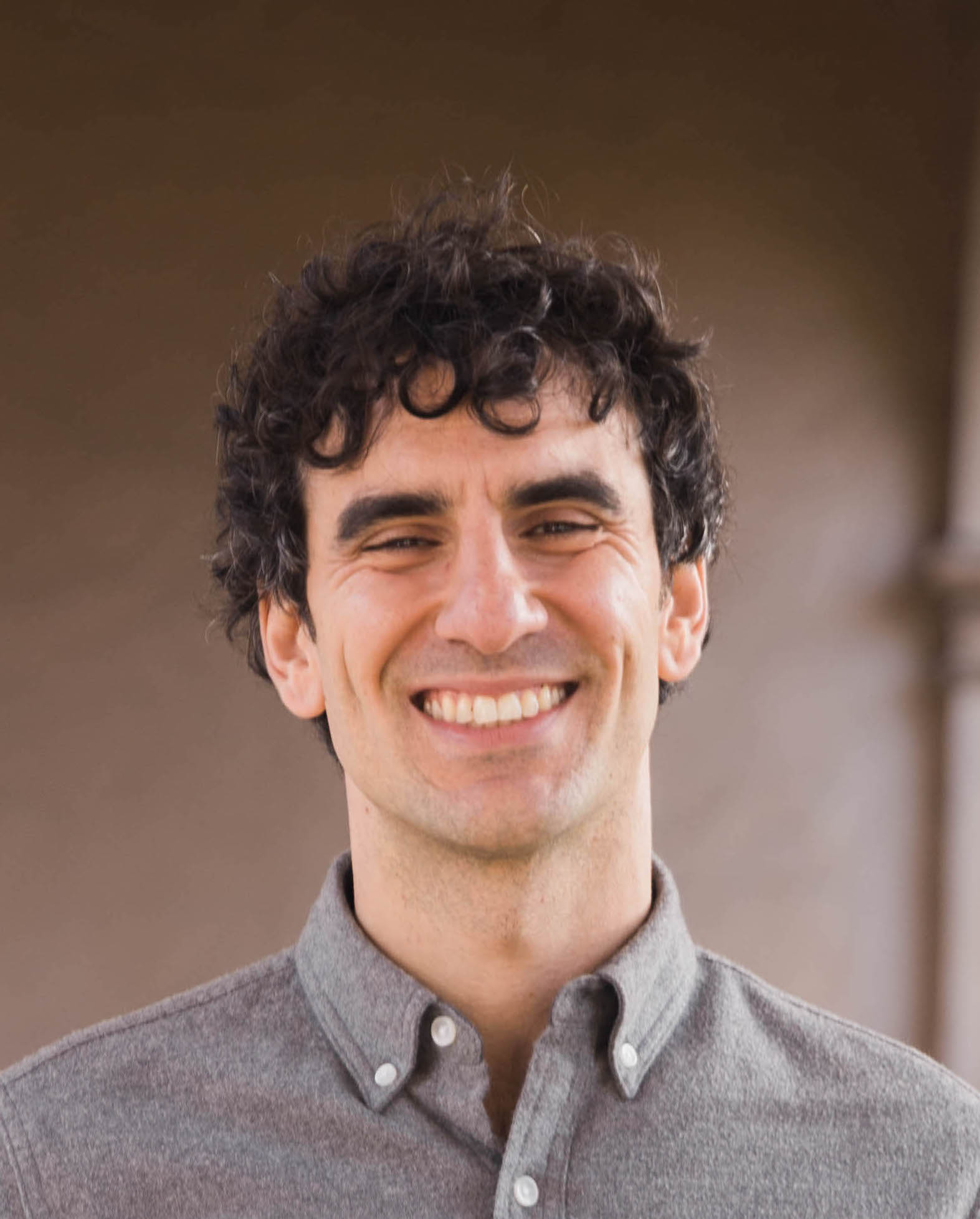
Dr. Shirag Shemmassian is the Founder of Shemmassian Academic Consulting and one of the world's foremost experts on medical school admissions. For over 20 years, he and his team have helped thousands of students get into medical school using his exclusive approach.